Virtual Field Trips | Discovery Education Nurture Curiosity Tue, 09 Sep 2025 14:34:42 +0000 en-US hourly 1 https://wordpress.org/?v=6.8.3 Why This Fall’s Virtual Field Trips Are a Must for Every Classroom https://www.discoveryeducation.com/blog/teaching-and-learning/fall-virtual-field-trips/ Tue, 09 Sep 2025 14:34:37 +0000 https://www.discoveryeducation.com/?post_type=blog&p=198641 As educators, we’re always looking for ways to bring learning to life—especially in ways that are meaningful, accessible, and aligned to standards. This fall, Discovery Education is offering a one-of-a-kind lineup of Virtual Field Trips that do just that. These experiences don’t just take students to places they might never visit—they also introduce them to […]

The post Why This Fall’s Virtual Field Trips Are a Must for Every Classroom appeared first on Discovery Education.

]]>

As educators, we’re always looking for ways to bring learning to life—especially in ways that are meaningful, accessible, and aligned to standards. This fall, Discovery Education is offering a one-of-a-kind lineup of Virtual Field Trips that do just that. These experiences don’t just take students to places they might never visit—they also introduce them to real-world careers happening right in their own backyards.

de virtual field trips 768w

A Seaon of Discovery: Whats New

Starting September 17, five brand-new Virtual Field Trips will premiere, each accompanied by educator guides packed with hands-on activities. These experiences are designed to spark curiosity, deepen engagement, and connect classroom learning to real-world applications. All Virtual Field Trips are available on-demand via Discovery Education Experience, making it easy to integrate them into your fall curriculum.

Why It Matters

  • Standards-Aligned: Each trip is built to support curriculum goals across grade bands.
  • Career-Relevant: Students meet professionals in STEM, manufacturing, conservation, and more.
  • Locally Filmed, Globally Inspiring: These trips highlight industries and ecosystems across the U.S., helping students see the relevance of learning in their own communities.

Fall 2025 Lineup: Where Learning Meets the Real World

2025 FALL VFT Lineup
Here’s a look at this season’s VFTs and where they were filmed:

Meet a Solar Telescope: A Virtual Field Trip to the U.S. National Science Foundation Daniel K. Inouye Solar Telescope

Premieres September 17
Grades: K–5

Filmed at the USNSF Daniel K. Inouye Solar Telescope in Hawai‘i, this trip explores how scientists study the sun and introduces young learners to astronomy and engineering.

Forging Innovation: A Mission Possible Virtual Field Trip

Premieres October 9
Grades: 6-12

Filmed in Chicago, IL; Huger, SC; and Lexington, NC, this experience dives into the world of advanced manufacturing with Nucor, showing students how innovation drives industry.

Nature's Blueprint: A Virtual Field Trip

Premieres October 21
Grades: 6-12

Filmed in San Diego, CA and Houston, TX, this Virtual Field Trip with Illumina explores genetics and biotechnology, helping students understand how DNA shapes life—and careers.

Careers at Sea and Shore: A Virtual Field Trip to Maritime Manufacturing Centers

Premieres October 29
Grades: 6-12

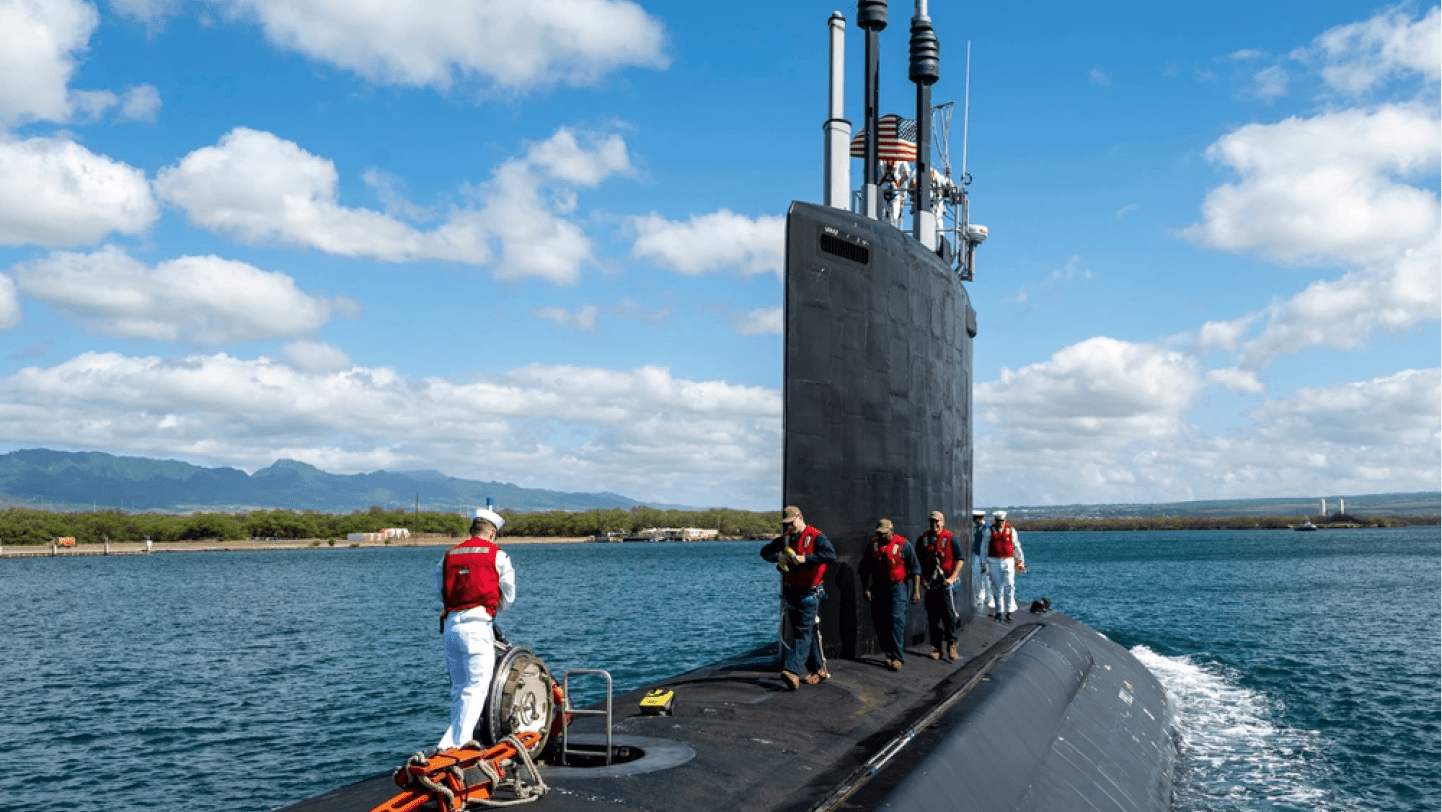
Filmed in Gulfport, MS and Oak Ridge, TN, this trip with the Department of Defense showcases maritime manufacturing and the diverse careers that support national security.

Amphibian Adventures: A Build the Change Virtual Field Trip to the Georgia Wetlands

Premieres December 4
Grades: 3-8

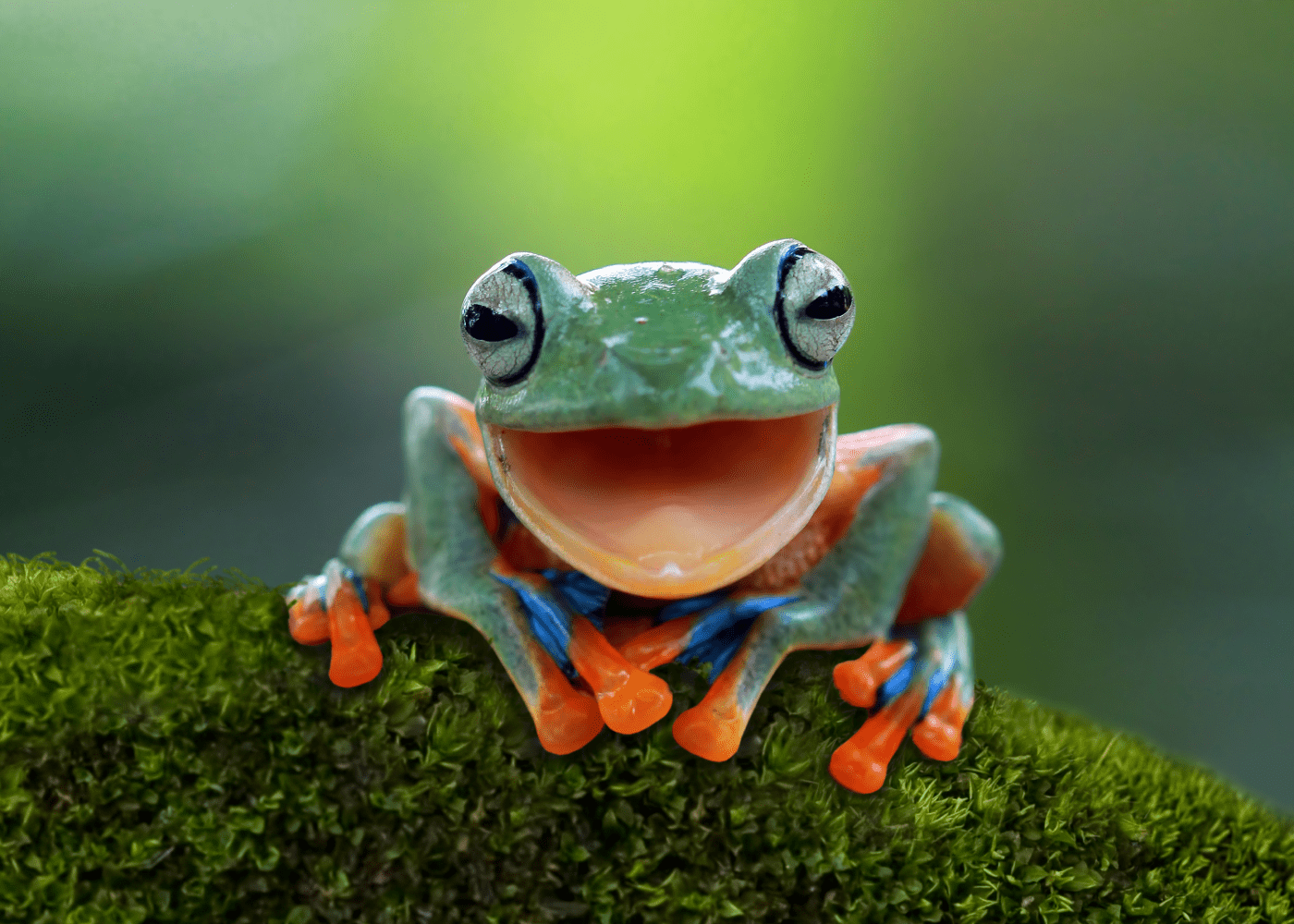
Filmed in the Georgia wetlands, this immersive experience with The LEGO Group blends environmental science with creative problem-solving.

Total Health: A Virtual Field Trip

Available NOW On-Demand
Grades: 3-8

Filmed in Minnesota, this Virtual Field Trip with the NBA focuses on physical and mental wellness, encouraging students to prioritize health in and out of the classroom.

The Superpower of Story: A Virtual Field Trip To Warner Bros. Studios!

Available NOW On-Demand
Grades: 6-12

Transport students on this exclusive Virtual Field Trip to DC headquarters at Warner Bros. Studios in Burbank, CA! They’ll step into the world of DC Super Heroes, uncovering the secrets of how stories evolve from bold ideas to iconic comics to jaw-dropping blockbuster films. 

Empowering Educators

Each VFT comes with enablement resources to help you integrate these experiences into your lesson plans. Whether you’re teaching science, social studies, or career readiness, these trips offer flexible, engaging content that meets students where they are—and takes them where they’ve never been.

Sign up for Exclusive premiere access today!

Lindsey Davis

Lindsey Davis

Lindsey Davis partners with leading brands to bring innovative educational programs to life. As a Senior Partner Marketing Manager at Discovery Education, she blends strategy, creativity, and collaboration to amplify learning experiences in classrooms across the country.

The post Why This Fall’s Virtual Field Trips Are a Must for Every Classroom appeared first on Discovery Education.

]]>

de-virtual-field-trips-768w 2025 FALL VFT Lineup Sesame-VFT2-Thumbnail-700×500-2x SCC-Nucor-VFT-Thumbnail-700×500-2x ILL-NB-VFT-DE-Thumbnail-700×500-2x DEA-Submarine-VFT-AboutThumbnail LEGO-Amphibians-VFT-DE-Thumbnail-700×500-2x nba-vft-2025-og-social-share WBD-DC-SS-OG-1200×630 Lindsey Davis
Stop the Summer Slide: 6 Engaging Resources to Keep Kids Learning https://www.discoveryeducation.com/blog/teaching-and-learning/discovery-education-cep-summer-learning/ Fri, 20 Jun 2025 14:00:00 +0000 https://www.discoveryeducation.com/?post_type=blog&p=192985 Summer’s here, and while the sun is blazing, so are the opportunities to keep young minds shining bright! Whether you’re a teacher sharing resources with families or a parent looking to keep the learning spark alive, we’ve rounded up six opportunities from our Corporate Partnerships that turn summer into a season of discovery!    From hammering […]

The post Stop the Summer Slide: 6 Engaging Resources to Keep Kids Learning appeared first on Discovery Education.

]]>

Summer’s here, and while the sun is blazing, so are the opportunities to keep young minds shining bright! Whether you’re a teacher sharing resources with families or a parent looking to keep the learning spark alive, we’ve rounded up six opportunities from our Corporate Partnerships that turn summer into a season of discovery! 


From hammering at Home Depot to swinging into STEM with LIV Golf, these activities are brain-boosting adventures that will keep that learning spark alive throughout the summer!

timely relevent Summer

Junior Fire Marshal® Training Academy

Equip students with vital fire safety and prevention skills, empowering them to protect their families. The Junior Fire Marshal® Training Academy offers K–3 students an exciting opportunity to delve into fire safety essentials and earn their Junior Fire Marshal Certificate. This program features a collection of standards-aligned classroom resources designed to make learning both fun and impactful.

Build, Learn, and Explore This Summer with Home Depot Workshops!

Home Depot’s free, hands-on Workshop Days are a fun and engaging way for kids to keep building their skills all summer long. From hammering to painting, each project sparks creativity and introduces STEM concepts in a playful, practical way. The free in-store kids’ workshops are held on the first Saturday of every month, 9:00 AM local time, while supplies last. 

Plus, explore a trove of digital resources at Science Fair Central to keep the discovery going. Whether you’re crafting in-store or learning online, have kids grow, create, and learn together this summer! 

LIV to Learn: Keep Minds Bright All Summer

Where curiosity meets adventure — on and off the golf course! Whether you’re exploring the wonders of science, diving into digital creativity, or unlocking new golf skills – LIV to Learn, a collaboration between LIV Golf and Discovery Education, keeps young minds active and engaged. 

This program turns summer into a season of exploration with backyard experiments and virtual field trips. With resources that blend sports, STEM, and real-world learning, LIV to Learn helps students stay sharp while having fun — because learning doesn’t stop when the bell rings, it just gets more exciting! 

Verizon’s Immersive Explorers: Your Summer Learning Hotspot

As we wrap up the school year, we’re excited to highlight the Immersive Explorers program, in collaboration with Verizon. This initiative uses immersive techniques, ready-to-use activities, resources, and professional development materials to create interactive and engaging learning experiences. 

The program goes beyond traditional teaching methods, encouraging active participation, critical thinking, and real-world application of knowledge. It’s a great opportunity for students to experience next-generation education. 

Keep Curiosity Cool with Media Literacy Bundles!

How do you determine what’s real or reliable online? With the Digital Citizenship Initiative’s new Media Literacy Bundles, you’ll empower learners to evaluate information critically and share responsibly. From fun activities like Digital Detectives to lessons like Going Viral, there’s something for every grade level.  

Help create informed digital citizens today. 

Virtual Field Trips: On-Demand and Perfect for Summer

de virtual field trips 768w

Summer is a fantastic time to explore our on-demand virtual field trips for engaging and educational experiences. Whether you’re looking to dive into history, sports, science, or art, virtual field trips offer a convenient way to learn and explore from the comfort of your home. 

Check out our most recent VFTs: 

Don’t Let the Learning Drift Away!

As the days get longer and the popsicles melt faster, remember summer is the perfect time to explore, create, and grow. These programs aren’t just a way to pass the time—they’re a passport to new skills, big ideas, and unforgettable experiences. Whether it’s building birdhouses, exploring virtual worlds, or becoming a Junior Fire Marshal, there’s something here for every curious kid. So share these resources, spark some summer joy, and keep the learning wave rolling all season long. 

Learn More about Discovery Education's Corporate Partnerships

The post Stop the Summer Slide: 6 Engaging Resources to Keep Kids Learning appeared first on Discovery Education.

]]>

timely_relevent_Summer Hartford-JFM-Google-1200×1200-1 Screenshot 2025-06-13 at 11-43-35 AM LIV-Golf-Social-1200×1200-B Screenshot 2025-06-13 at 12-01-37 PM sos-digital-citizenship-creativity-social-share de-virtual-field-trips-768w Picture of Lindsey Davis
Elevating Learning: Instructional Strategies for Engaging Virtual Field Trips https://www.discoveryeducation.com/blog/teaching-and-learning/instructional-strategies-for-virtual-field-trips/ Fri, 25 Apr 2025 19:43:03 +0000 https://www.discoveryeducation.com/?post_type=blog&p=189737 Virtual field trips are a game-changer in education, offering exclusive behind-the-scenes experiences that transcend classroom walls. With the latest Virtual Field Trips from Discovery Education, teachers can lean on these effective instructional strategies to bring these exciting experiences into their classrooms, sparking curiosity and deepening understanding across grade bands. Inquiry-Based Learning Hands-On STEM Learning Cross-Curricular […]

The post Elevating Learning: Instructional Strategies for Engaging Virtual Field Trips appeared first on Discovery Education.

]]>
Virtual field trips are a game-changer in education, offering exclusive behind-the-scenes experiences that transcend classroom walls. With the latest Virtual Field Trips from Discovery Education, teachers can lean on these effective instructional strategies to bring these exciting experiences into their classrooms, sparking curiosity and deepening understanding across grade bands.

The Superpower of Story: A Virtual Field Trip to Warner Bros. Studios  

Students in grades 6-12 thrive on exploration and critical thinking. An inquiry-based approach will allow students to analyze the role of storytelling in entertainment, questioning how narratives are crafted and why they resonate.

Implementation 

  • Before the field trip, introduce essential questions like: What makes a story compelling? How do filmmakers use visual and narrative techniques to shape emotions? 
  • During the video, have students take notes on key storytelling elements and industry insights. 
  • Post-trip, facilitate a Socratic Seminar or a project-based activity where students develop their own short scripts or visual storyboards, applying the techniques they learned.

This strategy fosters critical thinking, creative expression, and essential analytical skills across disciplines.

Meet the Magnets: A Virtual Field Trip to the NSF Mag Lab​

Students in grades K-5 grasp STEM concepts best through active, tactile experiences, and magnets provide an exciting way to explore forces and interactions with hands-on learning.

Implementation 

  • Before the video, introduce magnets through simple investigations like testing attraction and repulsion with household items. 
  • During the video, encourage students to record observations by sketching and describing experiments they see at the NSF Mag Lab. 
  • Afterward, engage in interactive STEM centers, allowing students to build magnet mazes, test electromagnetic properties, or create models demonstrating real-world applications of magnetism. 

This strategy builds foundational science inquiry skills and aligns with early STEM learning standards. 

Total Health: A Virtual Field Trip with NBA and WNBA

Students in grades 3-8 benefit from integrated learning experiences that connect physical wellness with broader academic content. 

Implementation 

  • Start by exploring the science of movement with lessons on heart rate, nutrition, and the impact of exercise. 
  • During the video, students can track key takeaways using a graphic organizer focused on nutrition, fitness, and mental health strategies. 
  • Post-video, incorporate an interdisciplinary project where students design their own health and wellness action plans based on insights from professional athletes. 

This approach strengthens connections between science, physical education, and real-world decision-making. 

With inquiry-based exploration, hands-on STEM activities, and interdisciplinary wellness strategies, educators can turn these virtual field trips into transformative learning experiences. Whether students are immersed in storytelling, experimenting with magnets, or developing healthier habits, each virtual field trip offers an opportunity for deep engagement and meaningful connections.

Which strategy are you most excited to implement? Let’s make these field trips unforgettable! 

Explore More Virtual Field Trips from Discovery Education!

For DE Educators, access the Virtual Field Trips Channel in Experience. Not a DE user? No problem! You can access all Virtual Field Trips on DiscoveryEducation.com.

The post Elevating Learning: Instructional Strategies for Engaging Virtual Field Trips appeared first on Discovery Education.

]]>
Question Icon Lined Space svg Atom Lined Space 48h png Globe Lined Space 48h png
Spring 2025 Virtual Field Trip Lineup https://www.discoveryeducation.com/blog/teaching-and-learning/spring-2025-virtual-field-trip-lineup/ Tue, 08 Apr 2025 20:24:45 +0000 https://www.discoveryeducation.com/?post_type=blog&p=186836 This Spring, supercharge students’ curiosity and wonder with an incredible lineup of Virtual Field Trips! We’ll be exploring super storytelling with DC and Warner Bros. Studios, experimenting with magnets with Sesame Workshop and the U.S. National Science Foundation, and getting pumped up about health with the NBA.  Check out the line up below and be […]

The post Spring 2025 Virtual Field Trip Lineup appeared first on Discovery Education.

]]>

This Spring, supercharge students’ curiosity and wonder with an incredible lineup of Virtual Field Trips! We’ll be exploring super storytelling with DC and Warner Bros. Studios, experimenting with magnets with Sesame Workshop and the U.S. National Science Foundation, and getting pumped up about health with the NBA

Check out the line up below and be sure to save the date so your students don’t miss out on these incredible interactive learning experiences!

Check Out the Spring 2025 Premiere Schedule

From supercharged storytelling to hanging with NBA greats, we’ve got something for everyone. Sign up today to gain access! Every Virtual Field Trip can be watched on-demand at any time, starting on the premiere dates. 

The Superpower of Story: A Virtual Field Trip to Warner Bros. Studios

Premieres Friday, April 18
Grades 6-12

Transport students on this exclusive Virtual Field Trip to DC headquarters at Warner Bros. Studios in Burbank, CA! They’ll step into the world of DC Super Heroes, uncovering the secrets of how stories evolve from bold ideas to iconic comics to jaw-dropping blockbuster films. Sign up today to unlock access starting on April 18!

Meet the Magnets: A Virtual Field Trip to the U.S. National Science Foundation Mag Lab

Premieres Tuesday, May 6
Grades: 1-5

Join Discovery Education and Sesame Workshop as we explore the National High Magnetic Field Lab! Meet the Magnets Virtual Field Trip helps young learners connect STEM concepts to the world around them, and includes standards-aligned resources for teachersSign up now to unlock access starting on May 6! 

Total Health: A Virtual Field Trip with NBA and WNBA

Premieres Thursday, May 15
Grades: 3-8

Dive into total health with an exclusive behind-the-scenes look at how players from the NBA Timberwolves and WNBA Lynx maintain their health on and off the court! Students will get special access to state-of-the-art facilities, learn from health and fitness experts, and meet Timberwolves Center Rudy Govert! Sign up now to unlock access starting on May 15.

In Case You Missed It

Check out the Virtual Field Trips that are currently available to watch on-demand!

Unleashing Life Skills with Golf: A Virtual Field Trip to LIV Golf's Team Championship

Premieres Nov. 21
Grades: 6-8

Students learn about the surprising ways golf can teach them about fundamental life and career skills of communication, problem-solving, and teamwork.

White Bird: The Courage of Kindness Virtual Field Trip

Grades: 6-12

White Bird: The Courage of Kindness offers students a multi-media journey to explore kindness, courage, and resilience. Through historical testimonies, fictional characters from the film White Bird, and contemporary perspectives, students learn how kindness impacts our world.

Find more Virtual Field Trips available on-demand!

The post Spring 2025 Virtual Field Trip Lineup appeared first on Discovery Education.

]]>
Sparking Student Interest in Space https://www.discoveryeducation.com/blog/teaching-and-learning/sparking-student-interest-in-space/ Mon, 07 Apr 2025 19:23:21 +0000 https://www.discoveryeducation.com/?post_type=blog&p=183565 Thanks to numerous events occurring this school year, it’s an exciting time for those of us that teach about space and space travel! From solar eclipses to developments in NASA’s Artemis programs, this school year offers unique opportunities to spark students’ interest in our galaxy. Discovery Education has a wealth of resources to support educators […]

The post Sparking Student Interest in Space appeared first on Discovery Education.

]]>
Thanks to numerous events occurring this school year, it’s an exciting time for those of us that teach about space and space travel! From solar eclipses to developments in NASA’s Artemis programs, this school year offers unique opportunities to spark students’ interest in our galaxy.

Discovery Education has a wealth of resources to support educators teaching students about these events, as well as ways to add context to student learning by connecting scientific principles to space content.

Starting Your Space Exploration

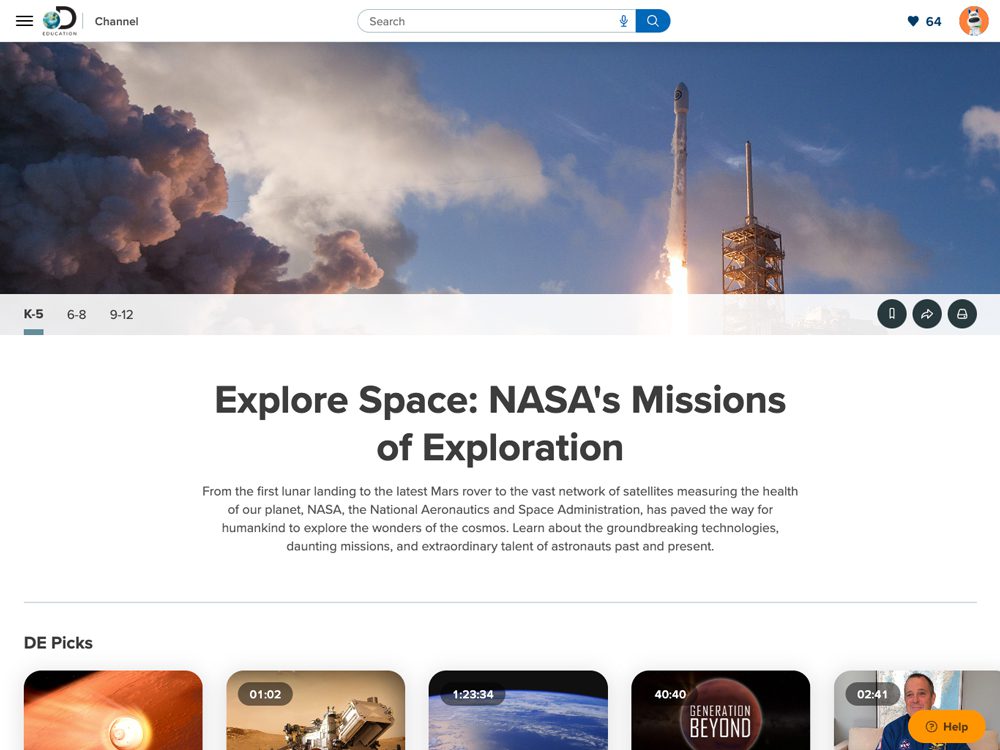
Start your space lessons with the Explore Space: NASA’s Missions of Exploration Channel, where you can find fantastic resources on popular space topics. There are great introduction videos on the James Webb Telescope, the largest, most powerful, and most technologically challenging space telescope. Understanding how this technology is used can help students consider how galaxies are studied, and then they can view images captured by this amazing telescope! This channel also includes news on the Ingenuity helicopter, which is miraculously still going strong after recently completing its 59th flight in September 2023.

For younger students, you can introduce the excitement of space with fun animated segments such as Planet Cosmo and Earth to Luna! There are many ways to make your space lessons fun, exciting, and best of all, relevant! If you aren’t sure where to infuse space content into your science lessons, finding space-related events that are coming up and using these events to build context for your students can help the introduction feel meaningful.

The upcoming Artemis missions will create a ton of excitement as the four-astronaut crew was recently named and we are moving closer to the November 2024 launch date! Discovery Education has some terrific resources to share in the Moon Channel on the historic missions to the moon, such as The Apollo Project, as well as information about the moon phases from the DEmystified series, and an overview of the partnership with NASA and SpaceX in The Future of Space Travel.

The upcoming solar eclipses are other exciting space events you can connect into your lessons! An annular solar eclipse occurred on October 14, 2023, and a total solar eclipse will occur on April 8, 2024. The Solar Eclipses Channel has great resources, videos, and activities for students in grades K-12 that both describe the natural phenomenon of an eclipse. 

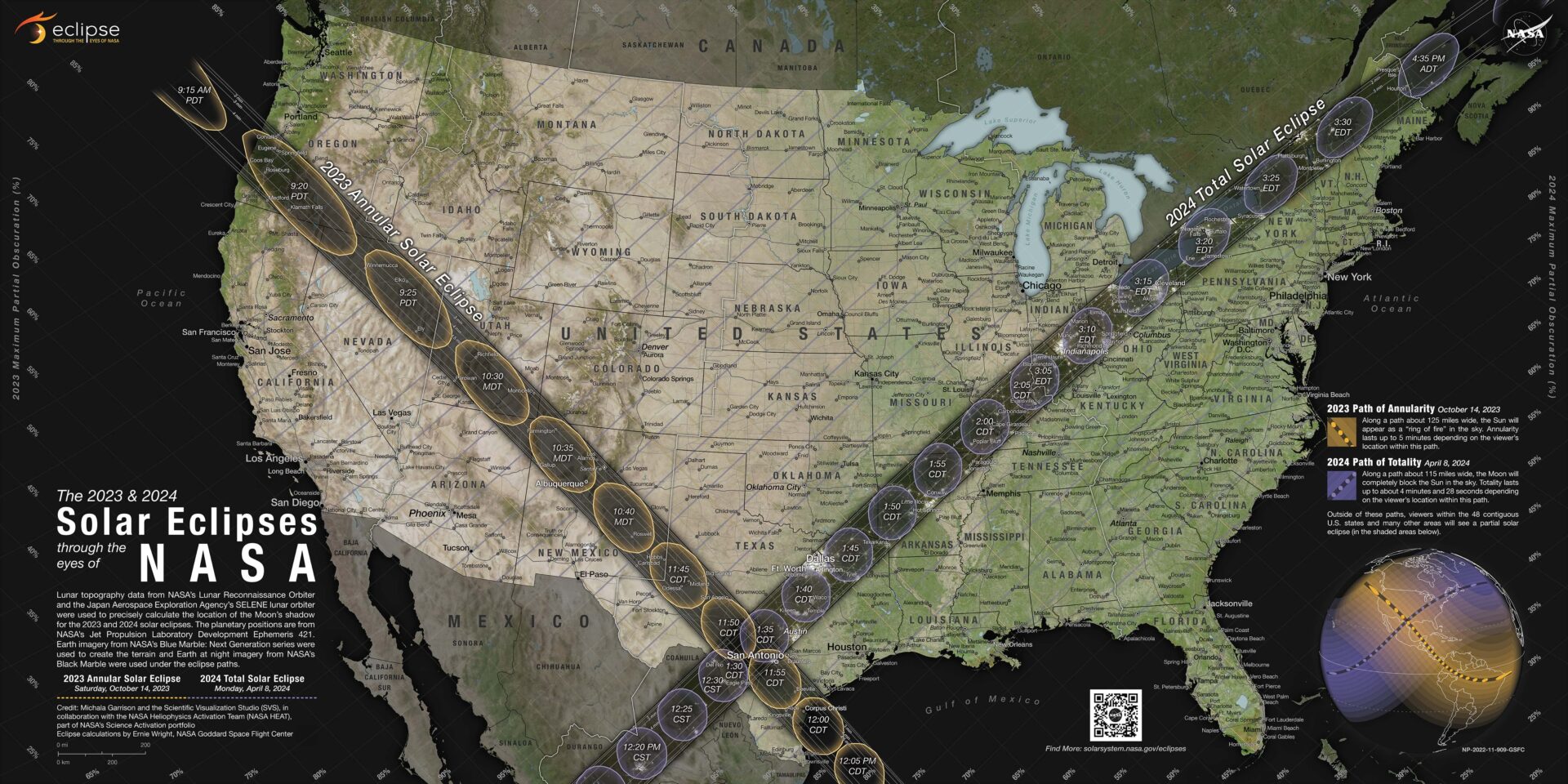
Eclipses are unique solar events, and after the April 8 total solar eclipse, the next eclipse won’t occur over the United States until 2044! Discovery Education Experience has new resources to help students explore the wonders of this upcoming eclipse such as a video on How to Safely Watch a Total Solar Eclipse, activity to create a Pinhole Projector, and a video giving students a tour of NASA’s 2024 Solar Eclipse Map. NASA is also sharing a livestream so students can watch as the total solar eclipse moves across Mexico, the United States and Canada. 

Additional Solar Eclipse Resources

facts sheet jpg

Eclipse Facts Sheet

Describes how a solar eclipse happens when the Moon moves between the Sun and Earth and about different types of solar eclipses, eclipse safety, and eclipse activities.
eclipse video jpg

Solar Eclipse Video Playlist

Videos in both English and Spanish explaining the phenomena of the "disappearing sun" and offering context about the total solar eclipse.
NASA map jpg

NASA's 2023 and 2024 Eclipse Map

Based on observations from several NASA missions, this map details the path of the Moon’s shadow as it crosses the U.S. during the annular solar eclipse in 2023 and total solar eclipse on April 8, 2024.

Creating Relevant, Fun Learning Opportunities

Adding a short, creative project-based learning element to your lessons around these current events can bring some additional engagement and excitement, even for students who may not think they’re passionate about space topics. For example, you can incorporate TimePod Adventures to allow students to “visit” another planet’s surface or launch and fly a rocket in HOME: Impossible Field Trip, which can bring the space concepts of a lesson to life. The AR Adventure Kit offers fun ideas that pair with the state-of-the-art, life-size augmented reality featured in TimePod Adventures.

Gamification and animation can make any topic fun and offer students a chance to use new technology tools! By using a free tool like Animate with Audio in Adobe Express, students can research a mission, planet, moon, or other phenomena and then create their own cartoon guessing game just using audio. This is always fun because the games can be played outside of the classroom with friends, family, and future students for years to come!

Resources like these are only the start, as there are so many amazing videos, articles, interactives, and more to discover. Even virtual field trips like the Journey to the Extreme: Virtual Field Trip to Mars, which includes an interview with NASA astronauts and program executives about the Curiosity mission and the ultimate goal, a journey to Mars! Start with one space lesson around a current event and create interested students who want to blast off to further exploration!

Jean Johnson

Jean Johnson

Inspire Your Students with Firsthand Accounts of Career Journeys with NASA

The post Sparking Student Interest in Space appeared first on Discovery Education.

]]>
DE-Explore-Space-NASA.jpg Solar-Eclipses-Discovery-Education.jpg facts-sheet.jpg eclipse-video.jpg NASA-map.jpg TimePod-Adventures-Augmented-Reality-App.png Jean Johnson
Encouraging Career Exploration in the Classroom https://www.discoveryeducation.com/blog/future-ready-students/encouraging-career-exploration-in-the-classroom/ Mon, 07 Apr 2025 19:00:00 +0000 https://www.discoveryeducation.com/?post_type=blog&p=183142 What kind of skills are needed for your career? Does your position require strong communication skills, knowledge of software, efficient teamwork, or an understanding of machinery? While these skills are strengthened over time, the journey starts with exploring career options and considering which path is most interesting! Here to share how she introduces career skills […]

The post Encouraging Career Exploration in the Classroom appeared first on Discovery Education.

]]>

What kind of skills are needed for your career? Does your position require strong communication skills, knowledge of software, efficient teamwork, or an understanding of machinery? While these skills are strengthened over time, the journey starts with exploring career options and considering which path is most interesting!

Here to share how she introduces career skills in her classroom and encourages her students to explore various careers is Delaware business educator, Heidi Corbin!

what does curiosity look like png

The Importance of Career and Technical Education

Career & Technical Education is important for K-12 students because these classes help to connect core content classes such as English and math to real life lessons and situations. As students progress through different courses, it may be difficult for them to connect how these courses will prepare them for careers or even which career will be best for them. The moment to make a career choice is far off for middle school students, but that means starting to consider career options early just gives them a head start!

CTE programs give students a chance to explore careers that they might be interested in after graduation. The exploration lessons and curriculum give them insight into careers they may already be familiar with as well as careers they may not have been aware of. As a middle school teacher, I help to prepare students to possibly earn an official credential in a career field of interest through high school coursework.

Career Paths and Skills

I like to focus primarily on the talents and strengths of the individual student and how it can help them have a better understanding and comfort level when navigating various core classes. My students first take a learning styles quiz and a personality quiz. I reiterate that their answers should be true to their own likes and dislikes, not their friends or family or even teachers’ opinions. Their honest answers are then analyzed, and they get specific input on what career paths and/or industries may be a good fit for them. I’ve used a variety of personality and learning styles quizzes with my students, and the Myers–Briggs personality assessment is one of my favorites!

There are many “lightbulb moments” when students get an analysis of possible careers based on their honest input about their own likes and dislikes! More often than not, they are surprised since they are at an age where they have a more challenging time seeing themselves for who they are instead of trying to fit in.

One personality quiz created by Major Clarity gives insight into the student by offering percentages of how much the following categories relate to the student’s personality – Conventional, Social, Realistic, Investigative, Enterprising, Artistic. I remember one student being upset about having a high percentage for being “conventional.” However, after reading the category description, the student actually agreed with it! 

The quiz also shared that conventional people (titled “Organizers”) like to work with data, have clerical or numerical ability, carry out tasks in detail, or follow through on others’ instructions. They often prefer precise, rule-regulated, orderly, and unambiguous activities and their traits often include conforming, efficient, practical, unimaginative, and inflexible. The quiz recommended a possible career path in legal services, education, and healthcare. This student was set on a career in nursing, but the quiz helped them come to an understanding of how legal services and education might be a match too. Learning a career in education could be a good fit was the biggest surprise for this student because as the student said to me, “I would never want your job!” This helped open a conversation about the other ways to be a part of the world of education, which led to another epiphany—that working in education doesn’t just mean teaching!

I educate students about career paths that will require various levels of education which can range from apprenticeship, certifications, two-year degrees, four-year degrees and so on. A four-year college degree is not the only way to reach success, and shining a light on careers that have different requirements can help students plan for a next step that is right for them. However, students don’t always know what type of formal training or schooling is required for careers they find interesting, so I offer information on careers spanning all types of training programs.

Career skills are infused into my lessons and curriculum via real-life simulations and questions of the day. Both give me insight into their level of understanding and how to further direct the learning and exploration. Offering students the chance to look “behind the scenes” on real-life careers can help them explore the limitless career possibilities that exist for them! From the new heights in aerospace innovation to the work being done to protect our waterways, there are many Discovery Education resources that help highlight career paths and skills!

Advice to Other Educators

For teachers just getting started, I would recommend the Career Profile videos, Interactives, Virtual Field Trips, and the investigative videos such as Calculating Different Types of Pay. There are also many Channels that focus on a wide variety of topics that may interest students and spark interest in a possible future career, like animals, music, and video games!

My advice to teachers planning career exploration lessons is to make it as authentic as possible. Utilizing virtual career field trips, videos from experts or even providing real-life simulations to connect school to the real world. Students can feel that the “real world” is so far away that it isn’t worth thinking about, but bringing the real world into the classroom can help make learning relevant and inspire student engagement! 

I’ve found that financial literacy lessons that include real-life simulations give students insight into what comes with working, and don’t just focus on making an income or fun ways to spend the money they earn. Earning and budgeting money is a big part of being a successful adult with a career! One of my favorite lessons is a gift budgeting activity where students are given $300 to spend on five people. Students are required to find a total of five gifts (one gift per person) that fit into their budget—and no cash or gift cards are allowed to be gifted! These real-world scenarios also help students better understand why adults say “no” to buying items children may want in the moment and help them set their sights on the future!

Middle school students have many milestones to meet before they enter the workforce, but it all starts with exploring different careers! Finding ways to nurture your students’ interests and help them learn about skills needed to excel in their career of choice can set them up for success—and start their journey early!

Learn More about Discovery Education’s Partnership with Otus!

The post Encouraging Career Exploration in the Classroom appeared first on Discovery Education.

]]>
what-does-curiosity-look-like.png science-reading-tile.jpg Picture of Heidi Corbin
Creating a “Cool” Career Studying Polar Bears https://www.discoveryeducation.com/blog/future-ready-students/creating-a-cool-career-studying-polar-bears/ Sat, 05 Apr 2025 19:00:57 +0000 https://www.discoveryeducation.com/?post_type=blog&p=183082 The path to a “cool” career may be covered in snow or dusted with sand, but it certainly takes hard work! Finding ways for students to explore different career paths can help them determine their next step after K-12 education—and can help them figure out if they’ll need a scarf or a swimsuit to pack […]

The post Creating a “Cool” Career Studying Polar Bears appeared first on Discovery Education.

]]>

The path to a “cool” career may be covered in snow or dusted with sand, but it certainly takes hard work! Finding ways for students to explore different career paths can help them determine their next step after K-12 education—and can help them figure out if they’ll need a scarf or a swimsuit to pack for their workday.

Here to share about her journey to a cool job (so cool it’s cold) is Alysa McCall, who works with Polar Bears International. She gave the DE team a behind-the-scenes look into her career path and offers advice to students considering ways they can turn their interest in animals into a career.

Meet Alysa McCall

Picture of Director of Conservation Outreach and Staff Scientist

Director of Conservation Outreach and Staff Scientist

Alysa lives in Whitehorse, Yukon. She has a Bachelor's of Science (Hon.) in Animal Biology from Thompson Rivers University and a Masters of Science in Ecology from the University of Alberta where her thesis focused on the polar bears of western Hudson Bay. She gained hands-on experience with polar bears from multiple fall and spring field seasons in Tuktoyaktuk and Churchill and has been heavily involved in tracking Hudson Bay polar bears, as well as coexistence efforts. She also spearheads Polar Bears International's Tundra Connections webcast program. Prior to joining Polar Bears International's staff, Alysa volunteered for several years in multiple capacities, including being a panelist on the Tundra Connections program and assisting with the Polar Bear Tracker. She is passionate about science education and polar bear conservation and is dedicated to ensuring that future generations inherit a healthy planet. 

The Journey to Polar Bears International

I am the Director of Conservation Outreach and Staff Scientist for Polar Bears International. Most of my current work is around polar bear conservation, with a focus on how to coexist safely with them as they spend more time on land. Working with the Arctic and polar bears is very interesting—did you know that the Arctic Sea’s ice acts as the world’s air conditioner? It helps regulate and cool climates around the world. I always feel lucky to work with such an important part of our planet!

From a very young age, I have loved animals and was fascinated by them. Growing up we had all sorts of wildlife around, and black bears were often in my yard during the summer. I knew I wanted to work with animals, but I had many different ideas for careers when I was young. I wanted to be a pony trainer and Dairy Queen cake decorator, which evolved over time to wanting to be a biologist (though I did also briefly decorate cakes for a while). I found out that being a biologist was a great way to turn my fascination with animals into a job!

I am still amazed every time I go into the field to see polar bears. I also love watching people's reaction when they see their first polar bear—it's so fun, every time!
de quote left square filled
Alysa McCall
Director of Conservation Outreach and Staff Scientist for Polar Bears International

I studied biology and ecology at my university, held a bunch of different jobs, and then decided to attend graduate school. When I was looking for a graduate school, my mentor/supervisor Karl encouraged me to apply to the polar bear lab in Edmonton. It was not on my radar before that suggestion, because I was more focused on small mammals. But I’m so glad it worked out!

During graduate school, I eventually volunteered with Polar Bears International. After I completed my thesis, PBI hired me as the first Canadian on staff! 

Advice for Aspiring Scientists

If you have set your sights on a future career in science, my best advice is to get as much hands-on experience as possible.It doesn’t need to be directly related! I worked in animal care, tracked toads and mice, did insect surveys, and learned about plants along my journey to Polar Bears International. The more knowledge and experience you have, the more skills you can bring to a team, and the more confident you’ll be when you’re ready for that next big step in your career. 

Additionally, a lot of work opportunities and projects are shared from people you’ve worked with in the past, so being easy and helpful to work with can go a long way. It’s important to make good impressions (like chipping in by doing dishes when you’re living with colleagues in the field) to ensure you get invited back!

The work of a scientist may not be as glamorous as a movie star, but for me it’s the most fulfilling because I get to do what I love and for the greater good!

Each day, students explore scientific concepts, historical facts, and mathematic equations—but how often do they look ahead to consider how these skills fit into their futures? Highlighting different careers in the classroom can help students connect the dots between what they think is “cool” and what could become a “cool career.” Discovery Education’s Virtual Field Trips, videos, and learning resources help make career exploration easy to implement into your existing lessons!

Bring Alysa’s work into your classroom with these engaging career-focused resources from Discovery Education

The post Creating a “Cool” Career Studying Polar Bears appeared first on Discovery Education.

]]>
Picture of Director of Conservation Outreach and Staff Scientist de-quote-left-square-filled polar-bears.jpg
Sightseeing from the Comfort of Your Classroom https://www.discoveryeducation.com/blog/teaching-and-learning/sightseeing-from-the-comfort-of-your-classroom/ Fri, 04 Apr 2025 19:34:20 +0000 https://www.discoveryeducation.com/?post_type=blog&p=183562 From permission slips to headcounts, going on a field trip requires lots of planning, preparation, and time. Discovery Education’s Virtual Field Trips offer a way to bring an out-of-classroom learning experience to your students—all while saving prep and travel time! But how can a Virtual Field Trip fit into your routine? Here to share her […]

The post Sightseeing from the Comfort of Your Classroom appeared first on Discovery Education.

]]>

From permission slips to headcounts, going on a field trip requires lots of planning, preparation, and time. Discovery Education’s Virtual Field Trips offer a way to bring an out-of-classroom learning experience to your students—all while saving prep and travel time! But how can a Virtual Field Trip fit into your routine? Here to share her ideas for using these Virtual Field Trips and Live Broadcasts in your lessons is DEN STAR and Media Coordinator Renee Cunningham!

headshot scaled jpeg

Renee Cunningham

Renee Cunningham is in her 18th year in education, with 11 of those as a School Library Media Coordinator. With experience at both the elementary and middle school levels, she believes in having a lively media program that incorporates technology, STEM activities, and helps promote a lifelong love of reading. Renee is a DEN STAR, has presented at ISTE, NCTIES, and NCSLMA, and has facilitated professional development sessions for media coordinators and teachers throughout her district. ATeacher of the Year, Renee also works to be a resource and collaborator for the teachers in her building. The only thing you won’t find in our Media Center is a “quiet” sign because learning makes noise!

Over the years I have been fortunate to participate in numerous Discovery Education Virtual Field Trips. I never cease to be amazed by students’ “ah-ha” moments of connecting what they have seen in a book, on a worksheet, or in an online photo to a live video feed. From the Madden Football video game they’ve played to the stuffed polar bear they’ve read picture books about, Discovery Education’s Virtual Field Trips afford students a way to travel beyond their classroom without ever leaving their desks!

The Impact of Virtual Field Trips

I am always eager for a Virtual Field Trip reveal—and my mind immediately begins spinning on what connections I can make to the classroom content to share the experience with as many students as possible! Virtual Field Trips connect the content students are learning in a book or classroom lesson to the real world.

For instance, our first graders study animal habitats. While they have all seen a picture of a polar bear or have a stuffed bear at home, when they watch the Tundra Connections Virtual Field Trip, it helps them connect their ideas of a polar bear to actual life in the arctic!

I’m very excited for the latest Arctic Adventures Virtual Field Trip because it’s very unlikely students will ever travel to see a polar bear in their real habitat! Seeing a polar bear at the zoo in summer weather while you eat a sno-cone is one thing, but seeing the vastness of the snow-covered tundra, the real paw prints, and the way the camera bounces as the buggy rolls along offers a unique perspective. It can only be captured from that on-the-ground experience shared in the Virtual Field Trips!

Another aspect of Virtual Field Trips that I love is how they highlight unique career opportunities. The scientists and speakers in these events show that there are many career paths available to follow your passions. You love all-wheel drive and four wheelers? Maybe you could become the driver of Buggy 1 across the tundra!

Advice for Participating in a Live Broadcast

The opportunity to join a live broadcast really is unique. While there can certainly be logistical challenges like scheduling and tight instructional calendars, telling students that kids across the country are watching the same video at the same time can show that we’re all learning together! The hosts do a wonderful job of creating a personal experience by calling out schools and mentioning the question-askers by name. And as a bonus, it is an incentive for students to listen closely to not miss our school being called out!

The magic in the live broadcast is the ability to become actively involved—it makes the experience more than just watching a video. My strategy for getting my students noticed is posting lots of tweets with questions, comments, and reactions. The eruption of students hearing our school’s name called out as they watch is thrilling! 

Before the last Virtual Field Trip, I tweeted a message about our school tuning in. Imagine the students’ surprise when the broadcast started and they heard, “Mrs. Cunningham at New Town Elementary is tuning in with 1st grade!”
-Renee Cunningham

Over the years I have used the live broadcast in various ways to match our scheduling needs. Depending on the topic, we may have a grade level “viewing party” where all the classes come into the Media Center to watch together. This certainly takes some planning and agreement among the team of teachers, but when the topic is relevant to units in their curriculum, it makes the planning worth it!

I have also hosted a “working lunch” for interested students when the schedules are too tight or the topic is interesting across grades. I invite students to sign up and come to the Media Center during their lunch time to watch and eat at the same time—multitasking at its best! 

This year, skip the permission slips and bring an out-of-classroom learning opportunity to your students with a Virtual Field Trip! Participate in a live broadcast, inspire collaboration, and show your students extraordinary things that they may never experience otherwise!

The post Sightseeing from the Comfort of Your Classroom appeared first on Discovery Education.

]]>
headshot-scaled.jpeg LEGO-TILE.jpg Kids-looking-at-screen@1x_1.jpg
Inspiring Student Leadership and Learning https://www.discoveryeducation.com/blog/teaching-and-learning/inspiring-student-leadership-and-learning/ Fri, 04 Apr 2025 19:34:10 +0000 https://www.discoveryeducation.com/?post_type=blog&p=183371 In school, students learn academic content, build critical thinking skills, and grow as people! To create learning experiences that accomplish this, two educators in the Verona Area School District decided to join forces. They found an innovative way to bring high school and elementary school students together through Discovery Education’s Virtual Field Trips. Meet the […]

The post Inspiring Student Leadership and Learning appeared first on Discovery Education.

]]>
In school, students learn academic content, build critical thinking skills, and grow as people! To create learning experiences that accomplish this, two educators in the Verona Area School District decided to join forces. They found an innovative way to bring high school and elementary school students together through Discovery Education’s Virtual Field Trips.

Meet the Team Behind the Magic

Rita Mortenson png

Rita Mortenson, Educational Technology Coach

I’ve been teaching for over 30 years and am currently a high school Educational Technology Coach, where I work with about 1,800 students and 200 staff members on a variety of technology topics. I’m an Apple Distinguished Educator, a Google Innovator, am ISTE certified, and love being a DEN STAR!

Lisette Venegas png

Lisette Venegas, Secondary Multilingual Programs Manager

I have been teaching for over 23 years and have taught Pre-K–4th grade, worked with multilingual and special education students, and been a library media specialist, lead teacher, instructional coach, and curriculum learning specialist. I am currently the Secondary Multilingual Programs Manager for the Verona Area School District. I truly find joy in working with the students, families, and staff on a daily basis, and being a DEN Star is amazing!

Why Virtual Field Trips?

Over the past few years, we have probably done 30 Virtual Field Trips together for a variety of grade levels. It’s really fun for students and teachers!

This started because we saw how great the Virtual Field Trips are and wanted to spread the word to other teachers. These field trips are more than just a video to show your students, and they’re more than just a part of a lesson. Working together to create these events and activities around the VFTs helps us show teachers that yes, this online content is there to engage your students, but you can build out so much more from that. And because the VFTs are embedded in Discovery Education Experience, teachers can share the VFT content with students who may have missed the hands-on experience.

Creating joy for students through these hands-on activities can help them learn new things or show what they have learned throughout a unit. For example, when elementary students completed a unit on weather, we set up an Extreme Weather VFT experience with different stations students visited with high schoolers. This experience helps teachers visualize what they can do with all of the online content they have and how to make it fun and exciting for their students.

How to Get Started

To start something like this at your school, find another teacher who is interested in trying something new. When launching new projects, it’s easier to start with a small team. Team up with one other teacher and work together to plan your first event. Interest in the events will grow as other teachers see what your students accomplish!

Our first activity used the NFL Play 60 Virtual Field Trip. Working with separate age groups (high school and elementary school), requires some brainstorming from the teachers to determine ways the content can be engaging for all students. The first year, we brought the football team to the elementary school. Today, we bring in students from different high school athletic programs and academic programs to help facilitate the activities for the younger students.

Our events start with watching the Virtual Field Trip, then rotating through a few relevant activities. To help other teachers plan these events, we created a presentation to share with other DE educators and have updated the planning into a simple process. Planning two or three stations can be a great start, and you have to be ready to brainstorm with other teachers in your school. The planning should take about an hour, but it should be fun. Once we review the content and plan the stations, away we go! At this point, we’ve done planning in as little as 20 minutes.

These events will eventually become popular in your district, so we recommend having a digital sign-up where teachers can share what topics they would like to cover and how they want to pair up the students. For example, a second-grade teacher may look at their curriculum and notice that their weather unit in November could be a great opportunity to pair up with the high school about a similar topic.

Once we identify interested teachers, we determine which school site is better equipped to host the event—the elementary or the high school. For example, the high schools often have science labs stocked with materials if the events are heavy in experiments. It takes about a month to be fully prepared because you’ll have to consider details like transportation, scheduling, and permission slips. Once we have planned the logistics, we hand the activity planning over to the older students!

"I have one student who's almost in 8th grade, and when she sees me in the building, she asks me if I remember the Virtual FieldTrip we did with her third grade class! It brings a smile to my face knowing these kids remember these events." - Lisette Venegas, Secondary Multilingual Programs Manager

Planning the Activities

We kick off the activity planning by gathering the high school students and running through a few steps to help guide them.

  1. Explain the topic that will be covered.

  2. Have the students watch the VFT and use the accompanying Studio SlideShow to help chunk out the information and pose questions throughout.

  3. Once they’ve seen the content, we encourage them to consider what types of stations to include in our collaborative event.

  4. Ask the students to design a fun, themed activity around the skills we are planning to showcase, practice, and learn that also relate to the theme of the VFT.

When we did the STEM Forward Virtual Field Trip with Olympian Katie Ledecky, we had the students decorate their own Olympic Medal to get them excited about the content. Then, after watching the Virtual Field Trip, we went into the field house where we held relay races and celebrated with the school mascot. These events include the skills from the VFT but also help build our community!

Before pairing up the right students to work together, consider the content and how different groups of high school students could share what they’re learning with the younger students.

For example, one of our first-grade classes was studying the Arctic and polar bears, so we partnered with Earth Science and Environmental Studies classes at the high school for a VFT event. We watched the Living with Polar Bears Virtual Field Trip, then had different stations set up for the students.At one station, students explored how polar bears stay warm. The students put Crisco on their hand, wrapped it in in plastic wrap, and dunked it into the bucket of ice water to simulate how blubber keeps polar bears warm. The students; eyes just lit up when they realized the ice water wasn’t cold with their layer of “blubber” and it was a great moment for them to truly understand how blubber works for polar bears!

We’re a relatively small district, and these experiences show our younger students that we are all one community, no matter the age! It’s also encouraging to see our high schoolers be leaders to our younger students, and the teachers are often impressed with their leadership skills. Showing older students that they can be leaders and help younger students make learning connections inspires them to consider their own careers as well.

Seeing these students work together so well inspires teachers to consider how they can implement hands-on learning activities along with what they’re already doing with Discovery Education, even without our help! We’ve had teachers say this is the best learning experience for their class throughout the whole year, and it’s been gaining more traction every year. Now when we walk into a school, everyone asks if we’re here for another VFT!

Advice to Other Educators

If you really want these events to take off, plan them one at a time, then share the success with others! You can share highlights from your event on social media or through your district channels to help others learn about what your students are doing. We’ve shared our success with principals, our superintendent, and the district Teaching & Learning team—word really spreads quickly! Here are our other pieces of advice for educators considering planning events like these:

  • Bring the energy! If you’re not excited about it, they won’t be, so don’t hesitate to be silly. This could end up being the event of the year for your students!

  • Don’t be afraid to think outside of the box. There are so many resources available, and you can build from there!

Virtual Field Trips bring excitement from around the world right into your classroom, but as Rita and Lisette have shown, they can also bring students together! To help your students engage with exciting content, practice academic skills, and blossom as leaders, consider planning a collaborative Virtual Field Trip event.

The post Inspiring Student Leadership and Learning appeared first on Discovery Education.

]]>

Rita-Mortenson.png Lisette-Venegas.png NFL.jpg Verona-tile-1-olympic-medal-1-scaled.jpeg verona-tile-2-blubber-scaled.jpeg
Cultivating a Caring Classroom Community https://www.discoveryeducation.com/blog/teaching-and-learning/cultivating-a-caring-classroom-community/ Fri, 04 Apr 2025 19:33:57 +0000 https://www.discoveryeducation.com/?post_type=blog&p=183084 In case you missed it, this year’s DEN Summer Institute (DENSI) was held on July 18 and 19. DENSI is a one-of-a-kind, community focused, professional learning experience exclusive for DEN STAR educators! Jessie Erickson, a DEN Leadership Council member, held one DENSI session to share her tips, tricks, and advice for building a strong classroom […]

The post Cultivating a Caring Classroom Community appeared first on Discovery Education.

]]>
In case you missed it, this year’s DEN Summer Institute (DENSI) was held on July 18 and 19. DENSI is a one-of-a-kind, community focused, professional learning experience exclusive for DEN STAR educators! Jessie Erickson, a DEN Leadership Council member, held one DENSI session to share her tips, tricks, and advice for building a strong classroom community. Read on to learn more about Jessie’s take on how Discovery Education resources can be used to help your students get to know each other, create meaningful connections, and grow as individuals.

jessie erickson jpg

Jessie R. Erickson, Ed. S.

Jessie is a recently retired K-8 classroom educator, who taught a variety of subjects and grade levels during her 34 years in education. She is a DEN Leadership Council member, ISTE Community Leader, reading specialist, and professional learning facilitator. 

Introductions

The first step to building connections with your students is getting to know them and allowing them to get to know you! Students can feel nervous in the first few days of school, especially if they don’t know others in the class. Here are a few of my favorite ways to help us get to know each other:

  • 3 truths, 1 lie: This conversation strategy can help us share facts we may not know about each other! Help make students more comfortable with sharing their information by capturing their Three Truths and a Lie on a Studio Board with pictures, text, and decorated in their favorite colors. The Studio Board serves as a virtual representation and might offer hints or throw off the class when it comes to determining which “fact” is actually a lie!
  • Tabletop Texting: This strategy gets conversation going in a quiet way! You can set up chart paper around the room with questions and have students rotate to answer the questions, build on each other’s answers, and “discuss” the topics silently. As you move past introductions, I’ve also used this strategy to celebrate students by putting a sheet of paper on one student’s desk and having everyone share things they love about that student—what a great way to start your day!
  • Conga Line: This strategy works in gym class, math class, really any group setting! We can put on fun music, ask questions about our classroom, school, or community, and rotate through partners to have conversations with new classmates.

Helping Our Students be Healthy, Well, and Mindfully Ready

To make academic progress students have to use the right mindset! 

International Dot Day is Friday, September 15, and is a great reminder that we all leave a mark! At our campus, we celebrate Dot Day by having every student leave a dot on a bulletin board, and those dots create a huge, colorful tree to show we all made our mark.

The NBA and WNBA Stronger Together Series highlights athletes who share their mindset, how to be stronger, and how that helps their team! It’s a great community-building conversation where we can talk about how a positive mindset can help us all move forward, learn, and grow.

#MyYoungerSelf and #WeThriveInside are both wonderful resources from the Child Mind Institute for students in grades 3-12.

  • #MyYoungerSelf offers messages about what you’d tell your younger self if you could talk to them today. Our middle school and high school students write letters to their younger selves, and we share them in our elementary hallways with a picture of the writer from a younger grade. It’s a fun activity for the older students to serve as leaders and it gives our younger students motivation and someone to look up to.
  • #WeThriveInside is about what you do to get through stressful situations or times when you’re feeling less than your best. Some of us struggle with anxiety, like famous actress Emma Stone, who talks about how she works through anxiety even when she’s in front of a camera! It’s motivational for the students to learn from others, especially people they see on TV that might have them think, “Oh, what problems could they possibly have? They’re a movie star!”

For students in grades K-3, the Get Along Monsters are great to create student discourse! I set up a breakout game that will cause some sort of conflict for students to work through, and when the game is finished, we circle back to the Get Along Monsters to have conversations around the following questions:

  • How do we get along with each other?
  • How do we handle anger?
  • How do we talk through our emotions?
  • What do we say to each other when we don’t like what the other person said about us?

These cute, short, animated videos are a great resource for these conversations, and the kids are usually singing along by the end!

Stuff You Should Know is one of my favorite podcasts of all time! There are episodes covering social-emotional, mental health, and wellness topics, and the hosts have a great mindset. This podcast is meant for middle school and high school students, and the episodes about fear, jealousy, hate, and anger are very relevant for students in these age groups.

Virtual Field Trips

Not only are Virtual Field Trips exciting ways to bring new experiences into your classroom, but there are also great options to create learning moments around wellness, friendship, self-esteem, and happiness.

This Virtual Field Trip covers how to work with others, establish friendships, and build relationships. It has resources you can use with the whole class, as well as components for home use so parents and caregivers can get involved. These resources teach kids they are in control of their own emotions, which is important when we consider how we affect our community.

These amazing resources cover how we treat others by celebrating, not penalizing, differences. Last year we paired these resources with an assembly at our middle school! We invited two Holocaust survivors to share their experiences, which was an amazing, eye-opening experience for students in grades 6-9.

My students love Amazing Me and so do I! This Virtual Field Trip is all about self-esteem. We love to tie in some of our positive messages from the lessons into our bulletin boards, like “We Got This Wednesday!” where we select someone to give a positive affirmation in the classroom that day. There are so many wonderful ideas in Amazing Me, and great SOS strategies built right in!

This content is typically meant for middle school, but on our K-8 campus, it’s important I can extend the learning to help all students. For elementary, we focus on what makes us happy, what happiness is, and how to help make each other happy. We do our happy dance, then we program our Dash robot to dance, too! Our middle school students complete the entire VFT and have conversations about synonyms and antonyms, words in foreign languages, and create some bulletin boards. We havea great time making it cross-curricular!

Reflecting on Feelings

A caring community is there to celebrate when things are fun and also help motivate you during tough times.Here are a few of my favorite resources to help students build a caring community:

  • Introduce mindfulness with the Inner Explorer Channel. These K-12 resources helps students get started with mindfulness and think about where we are together as a classroom. You can do the activities individually or as class, but they are all ready to grab and go from that channel. If you don’t have it bookmarked yet, be sure to do so!
  • Make sure your classroom is inclusive for all students with the La Golda series. These videos can help support conversations about inclusion in both English and Spanish! The videos celebrate that we all come to the table with differences, and it also works through some handicapping conditions. For instance, if we’re in a wheelchair, how may we feel different than our peers?
  • Encourage students to write about their emotions with writing prompts. Even if I don’t use the prompt as written, it’s a great place to start for some inspiration! I’ve copied and pasted some of them, created my own slide deck, pushed them out through Google classroom assignments—whatever I need to do to get my students writing and sharing!
  • Use music and images to reset the energy in your classroom. Try searching DE for sound effects, songs, brain breaks, images, or whatever sets the right tone in your classroom. Whether you want to calm the class down or get everyone excited, there is media in DE to match your energy!

Favorite SOS Strategies

These Marzano and McREL supported strategies are great for student engagement and building community! They’re often built into Discovery Education lessons, but you can also add your own spin on them. Here are a few of my favorites:

  • Who Are You? This strategy makes a great reflection moment. Using pictures of animals or emojis can help you check in with students multiple times a day!
  • Get Your Thinking Hat On! This strategy helps students evaluate content through a specific perspective. Each “hat” offers students a specific perspective to keep in mind as they watch a video. Students then write their response with that perspective in mind, helping them open their minds to other people’s perspectives. Then students share their perspectives to come to a consensus on what they watched!
  • Multiple Perspectives. This is a great way for students to think about someone else’s perspective. We use one of the great images and videos from DE and ask students to put themselves into the shoes of someone shown to help them connect with their perspective and build empathy.
  • They Said What? We use this strategy in Social Studies, but it can also be used for health and wellness! This strategy asks students to evaluate a picture and consider what someone would be saying in that moment. To inspire some community-strengthening conversations, you could share an image of two students getting along or two students who seem to be arguing. Then ask questions like:
    • What do you think they are saying to each other?
    • What could make this situation better?
    • What could escalate the situation?

Classroom Journals with Studio

Let’s flip the switch on Studio! Last year I visited some classrooms who held class meetings to have conversations and establish norms, but they wanted a way for students to reflect on those conversations and bring in images or video. With Studio, students can make their own slides, so we turned that into their classroom journal. We had every student make a classroom journal 2 years ago and interest has continued to spread!

Once teachers saw that students could borrow images from Discovery Education or upload their own images to add to their slides, we were suddenly using Studio as a way for students to collect all their learning and thoughts in their journal. We’ve had students create slides to answer different journal prompts, like asking students to capture what they’re grateful for with pictures and text. These prompts send students on a scavenger hunt within DE to find images, while also writing their ideas and reflections.

Finding More Resources

You can find lots of videos on creating classroom community by searching for activities that align to any topic you’re looking for. I’ll search for mindfulness, gratitude, relationships, community—just type a word into the search bar in Discovery Education Experience, select your grade level band, and then sort out the types of resources. Select “activities” or “videos” to find exactly what you need for your classroom and your students. As teachers, we all know the temperature of our classroom. We know when we’re having good days, we know when we’re having bad days, and we know by watching our students what we need to teach next!

One of the first things you do in a new school year is look at your classroom and decorate it! Set up bulletin boards, lay down your classroom rug, then it’s time to think about how to make your classroom community beautiful too! Plan to get to know your students, set up your classroom norms and expectations, and build relationships with students! Discovery Education has a lot of support to help you start this journey and build a welcoming classroom community.

The post Cultivating a Caring Classroom Community appeared first on Discovery Education.

]]>
jessie-erickson.jpg dot-tree.jpg NBA-WNBA-tile.jpg Get-Along-Monsters-tile.jpg stuff-you-should-know-tile.jpg soar-with-wings-tile.jpg teaching-with-testimony-tile.jpg We-got-this-Wednesday-1.jpg discover-your-happy-tile.jpg Screenshot-2023-08-30-at-9.02.36-AM.png