


Immersive Learning | Discovery Education Nurture Curiosity Tue, 14 Oct 2025 20:59:31 +0000 en-US hourly 1 https://wordpress.org/?v=6.8.3 Beyond the Buzzword: What Engagement Really Looks Like Across K-12 https://www.discoveryeducation.com/blog/educational-leadership/engagement-across-k-12-webinar/ Tue, 14 Oct 2025 20:46:43 +0000 https://www.discoveryeducation.com/?post_type=blog&p=201312 In our webinar Beyond the Buzzword: What Engagement Really Looks Like Across K–12, education leaders joined us to take a closer look at one of the most important, and maybe somewhat misunderstood, concepts in education: engagement in the classroom. Hosted by Justin Karkow, VP of Teaching and Learning at Discovery Education, the conversation featured insights […]

The post Beyond the Buzzword: What Engagement Really Looks Like Across K-12 appeared first on Discovery Education.

]]>

In our webinar Beyond the Buzzword: What Engagement Really Looks Like Across K–12, education leaders joined us to take a closer look at one of the most important, and maybe somewhat misunderstood, concepts in education: engagement in the classroom. Hosted by Justin Karkow, VP of Teaching and Learning at Discovery Education, the conversation featured insights from Dr. Jackie Kapushion, Dr. Jorge Perez-Gallego, Emily Thomas, and Selina Latimore—each bringing a unique point of view on what engagement looks like, how it’s measured, and how it can be cultivated across schools and districts.

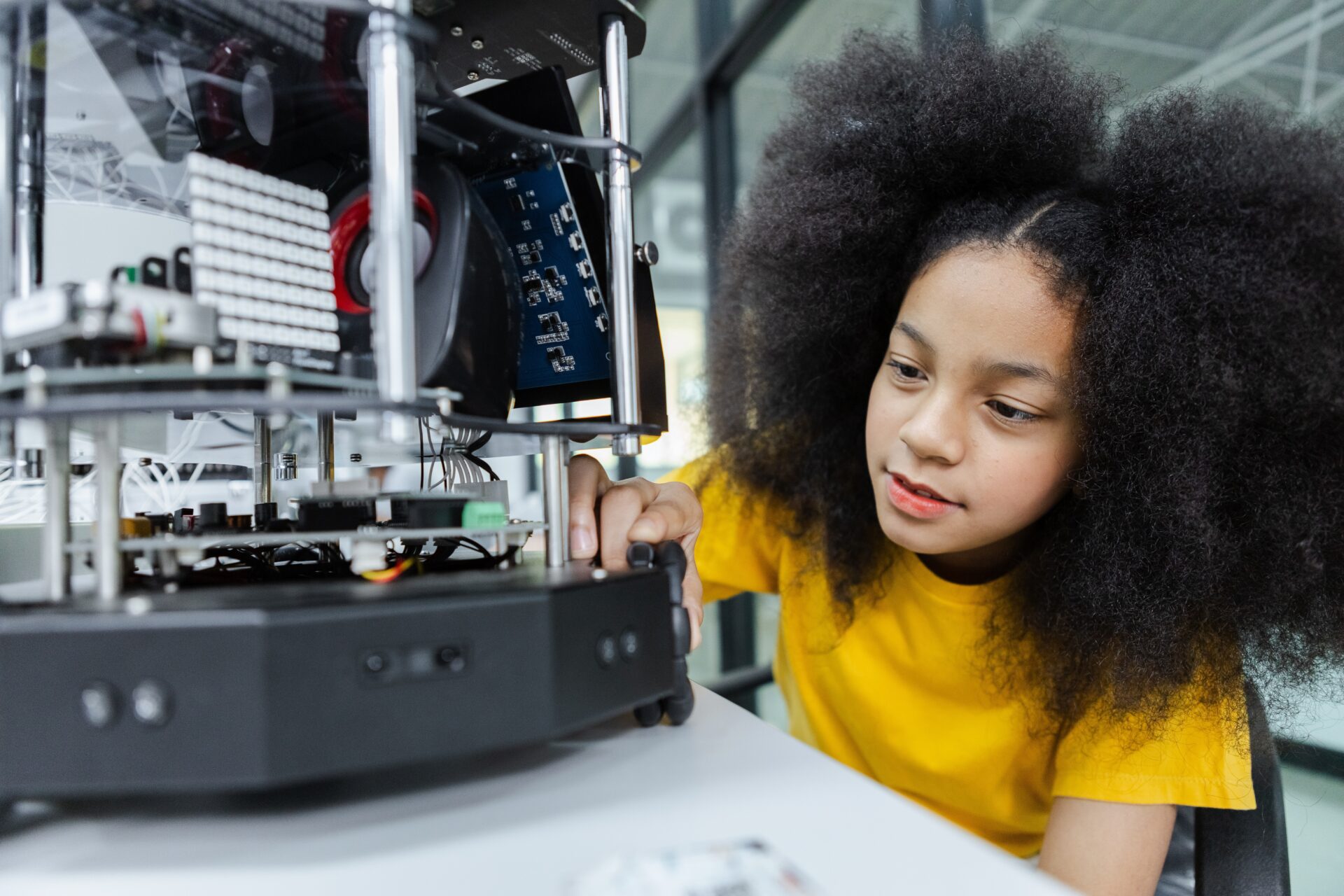
Middle School Girl with Engineering Project

Why Engagement Matters More Than Ever

Mr. Karkow opened with compelling data from our 2025–2026 Education Insights report: while 90% of teachers, principals, and superintendents agree that engagement is critical to student success, all of them see a need to improve it. In fact, 80% of students report struggling with boredom each week. This disconnect highlights that educators may not have clarity and alignment on what engagement truly means and how to foster it. 

Engagement Is More Than Just Participation

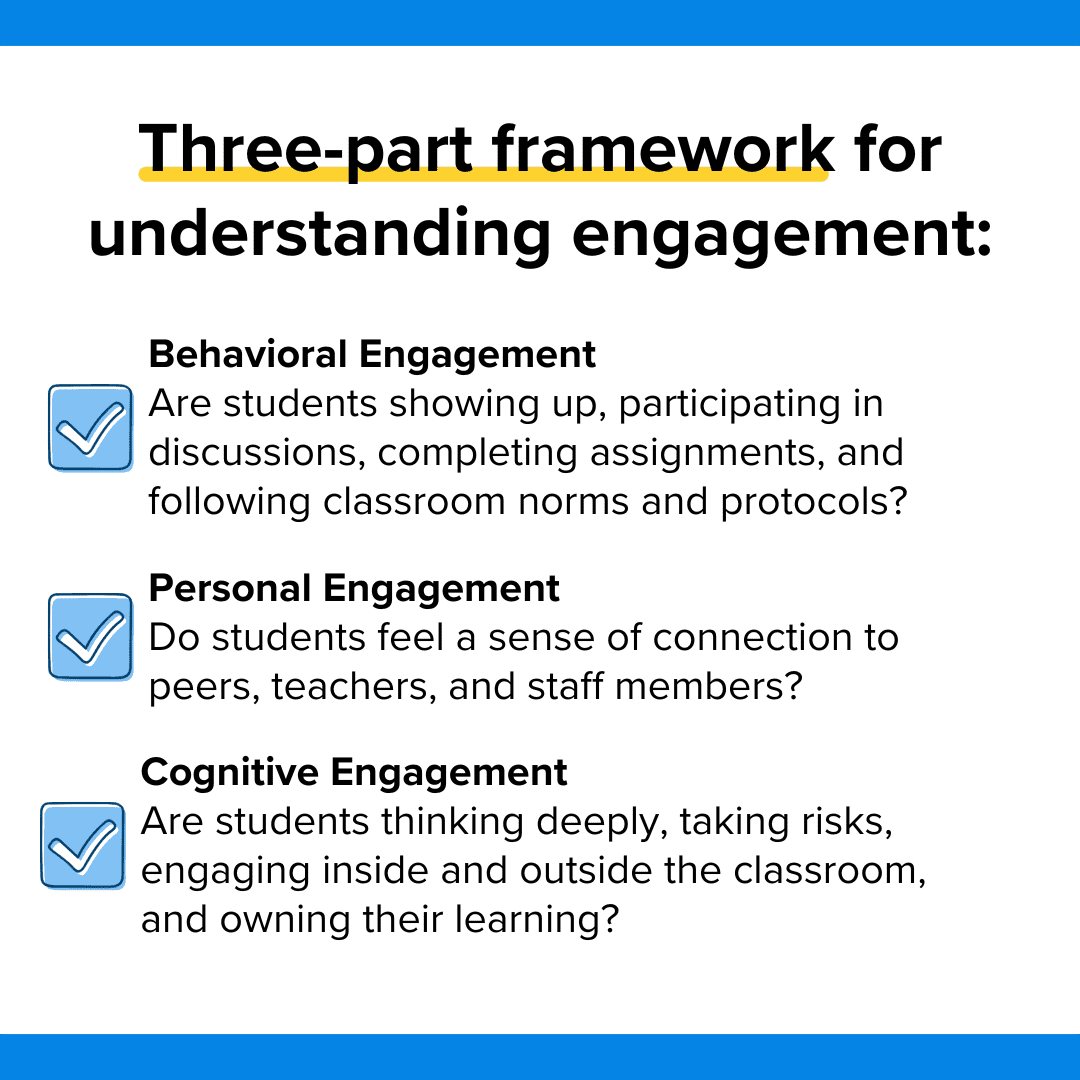
3 Part Framework for Understanding Engagement

Dr. Kapushion introduced a three-part framework for understanding engagement: 

  • Behavioral Engagement: Are students showing up, participating in discussions, completing assignments, and following classroom norms and protocols? 
  • Personal Engagement: Do students feel a sense of connection to peers, teachers, and staff members? 
  • Cognitive Engagement: Are students thinking deeply, taking risks, engaging inside and outside the classroom, and owning their learning? 

Ms. Latimore reflected, “Sometimes you see that natural spark start to dim…, but it’s because learning becomes routine. So, we have to spark their interest.” She emphasized that when students become invested in their learning, they become curious, confident, and willing to take risks. She also stressed the importance of connecting learning to real life.

Measuring Engagement: Beyond the Obvious

Recognizing and supporting engagement, which can be hard to measure and may be expressed in subtle ways by quieter students, requires thoughtful strategies. Panelists shared several approaches that they’ve found to be effective:

  • Social contracts: Co-created agreements between students and teachers that set expectations for respectful and active participation.
  • Wait time: Giving students a chance to think before responding, showing them that all voices matter.
  • Vertical learning spaces: Encouraging movement and collaboration to engage students in different modalities.
  • Learning walks: Used by district leaders to normalize definitions of engagement and observe it in action.

As Ms. Thomas put it, “We have really been working hard with our teachers to be intentional in building [these strategies] into their lesson planning, so that they are giving equal opportunities for all students to engage. No opting out. We’re all doing it. We’re all working together to get there.”

Tackling Barriers to Engagement

The 2025–2026 Education Insights report notes that students often feel both overwhelmed and under-challenged, which can lead to disengagement. Ms. Thomas’s team in Green Bay uses structured discussion techniques and collaborative learning to ensure every student has a role in the classroom conversation. She also pointed out that when teachers have a strong understanding of learning targets and goals, they can move the conversation toward them with questions that bring those ideas to light.

Technology as a Tool for Engagement

Dr. Perez-Gallego highlighted how technology, when used intentionally, can fuel engagement. His team leveraged an online world-building platform to create immersive science experiences, allowing students to explore exoplanets and ask real-world questions in a familiar digital environment. He explained how they came up with the idea: “Students choose to spend their free time in these virtual worlds, and they create their own adventures, their own environments. So, can we leverage that presence to go there and invite them to learn STEM fields?”

Dr. Kapushion emphasized the potential of AI tools to support engagement through personalized learning and timely feedback. This also helps them identify at-risk students and what specific interventions would help them. Her district uses “AI pop-ups” and “AI Bingo” to introduce educators to new strategies in a fun, low-pressure way.

Real-World Relevance: Engagement That Matters

Dr. Kapushion’s Innovation Center invites students to solve real-life problems faced by outside organizations, like designing underwater robots to investigate sewer system efficiency that was below standard. She explained, “They’re paid to do that work. Our businesses are reaching out to our students because [they] have the ability to think differently.” 

Selina Latimore shared how her school addressed food insecurity through a school-wide urban gardening initiative. Students not only learned how to grow and cook food but also connected their learning to real-world applications—an approach that sparked curiosity and built community. 

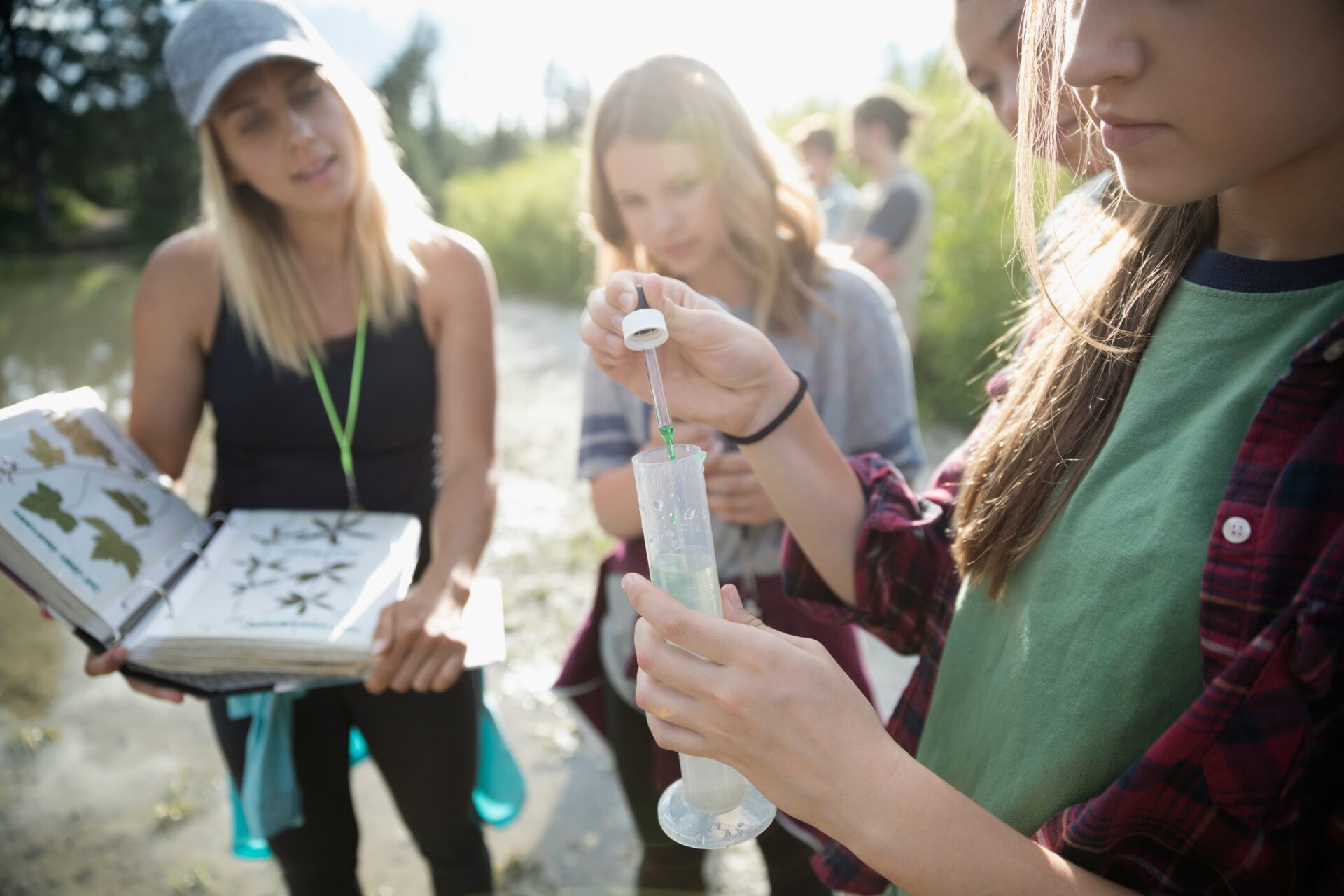
Teens Conducting Scientific Experiment Outdoors

Building Shared Understanding Across Communities

Creating alignment on engagement requires a shared language and vision. Panelists stressed the importance of:

  • Instructional frameworks that define engagement and guide professional development.
  • Communication between district leaders, principals, teachers, students, and families.
  • Professional learning that reaches every level of the organization and is rolled out district wide with consistency.

Key Takeaways for Education Leaders

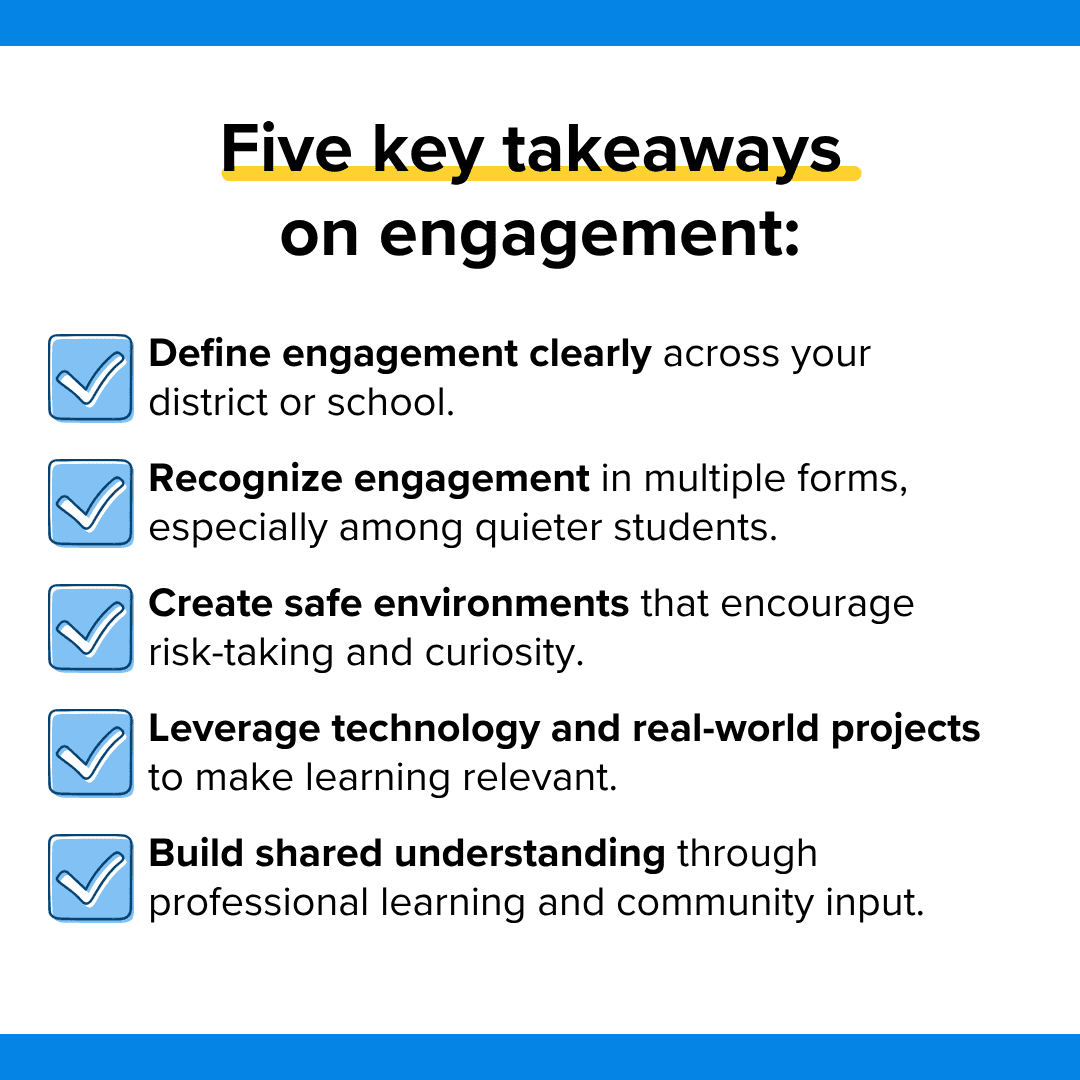
5 Key Takeaways on Engagement for Educational Leaders
  • Define engagement clearly across your district or school.
  • Recognize engagement in multiple forms, especially among quieter students.
  • Create safe environments that encourage risk-taking and curiosity.
  • Leverage technology and real-world projects to make learning relevant.
  • Build shared understanding through professional learning and community engagement.

There’s so much more to learn from the full discussion, so we invite you to watch the recording!

Discover More About Engagement in the Classroom

To dive deeper into the data and strategies discussed in the webinar, download Discovery Education’s 2025–2026 Education Insights Report. It’s packed with actionable insights for district leaders, principals, and educators looking to boost engagement in their schools. 

Meet the Experts

Dr. Jackie Kapushion, Superintendent, St. Vrain Valley School District (CO)

With 37 years of experience in public education, Dr. Kapushion currently serves as Superintendent of St. Vrain Valley School District. She holds a doctorate in Leadership and Equity from the University of Colorado at Denver, where she also earned her MA in Administration, Supervision, and Curriculum Development.


Selina Latimore, Principal, Richland County School District One (SC)

Selina Latimore is a veteran educator with over 30 years of experience in K–12 education, including 15 years as principal of J.P. Thomas Elementary School. She holds degrees from Presbyterian College and the University of South Carolina and is currently pursuing a doctoral degree in Educational Administration at Liberty University.


Emily Thomas, Associate Director of Curriculum, Green Bay Area Public Schools (WI)

Emily Thomas brings 14 years of experience in education. As Associate Director of Curriculum, she oversees PreK–12 math curriculum implementation, supports district math coaches, and leads math intervention programming.


Dr. Jorge Perez-Gallego, Education & Outreach Lead, National Solar Observatory (NSF)

Dr. Perez-Gallego is an astronomer, designer, museum professional, and educator with a PhD in Astronomy and an MFA in Design. He leads education, public outreach, and communications at the National Science Foundation’s National Solar Observatory.

The post Beyond the Buzzword: What Engagement Really Looks Like Across K-12 appeared first on Discovery Education.

]]>
MS Girl with Engineering Project 3-Part Framework for Understanding Engagement Teens Conducting Scientific Experiment Outdoors 5 Takeaways on Engagement Picture of DE Staff
Explore Mars, Anywhere: New TimePod Adventures Episodes Now Available on the Web https://www.discoveryeducation.com/blog/teaching-and-learning/explore-mars-anywhere-new-timepod-adventures-episodes-now-available-on-the-web/ Mon, 28 Jul 2025 21:20:31 +0000 https://www.discoveryeducation.com/?post_type=blog&p=195606 Discovery Education is thrilled to announce a major leap forward for TimePod Adventures – the multi-platform immersive learning series that sends students back and forward in time through story-rich, game-based adventures. Just in time for Back to School, educators and students can now access the Mars 2072 series of TimePod Adventures through web episodes on any device – no app required.  Available on Discovery Education’s new TimePod Adventures website and […]

The post Explore Mars, Anywhere: New TimePod Adventures Episodes Now Available on the Web appeared first on Discovery Education.

]]>

Discovery Education is thrilled to announce a major leap forward for TimePod Adventures – the multi-platform immersive learning series that sends students back and forward in time through story-rich, game-based adventures.

Just in time for Back to School, educators and students can now access the Mars 2072 series of TimePod Adventures through web episodes on any device – no app required. 

TimePod Hero Image

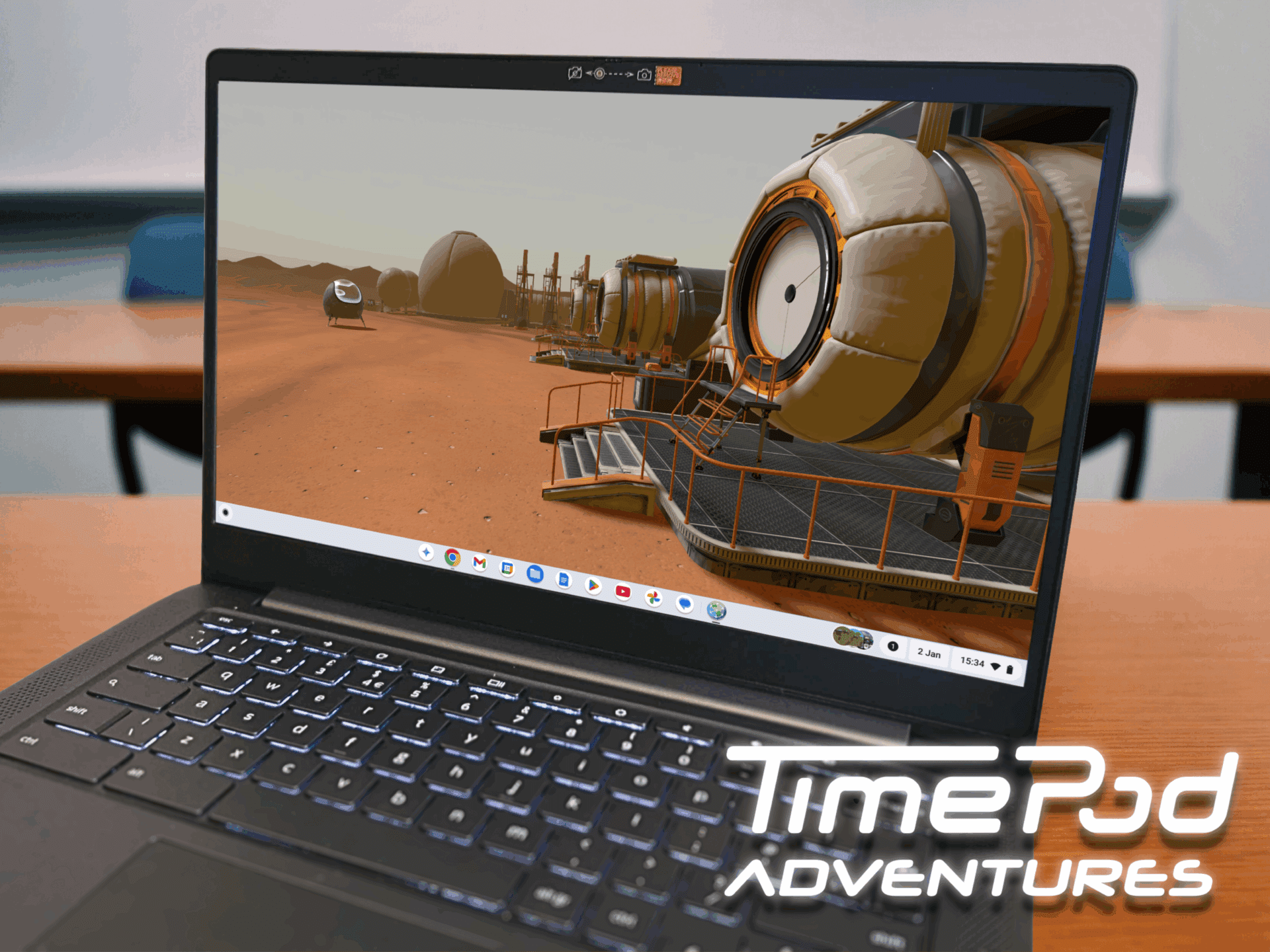
Available on Discovery Education’s new TimePod Adventures website and within the Discovery Education Experience platform, the essential companion for engaged PreK-12 classrooms, this exciting update brings the full experience of TimePod Adventures to any device with a web browser. Whether you’re using laptops, Chromebooks, tablets, or smartphones, the future of immersive learning is now just a click away. 

A New Chapter in the TimePod Journey

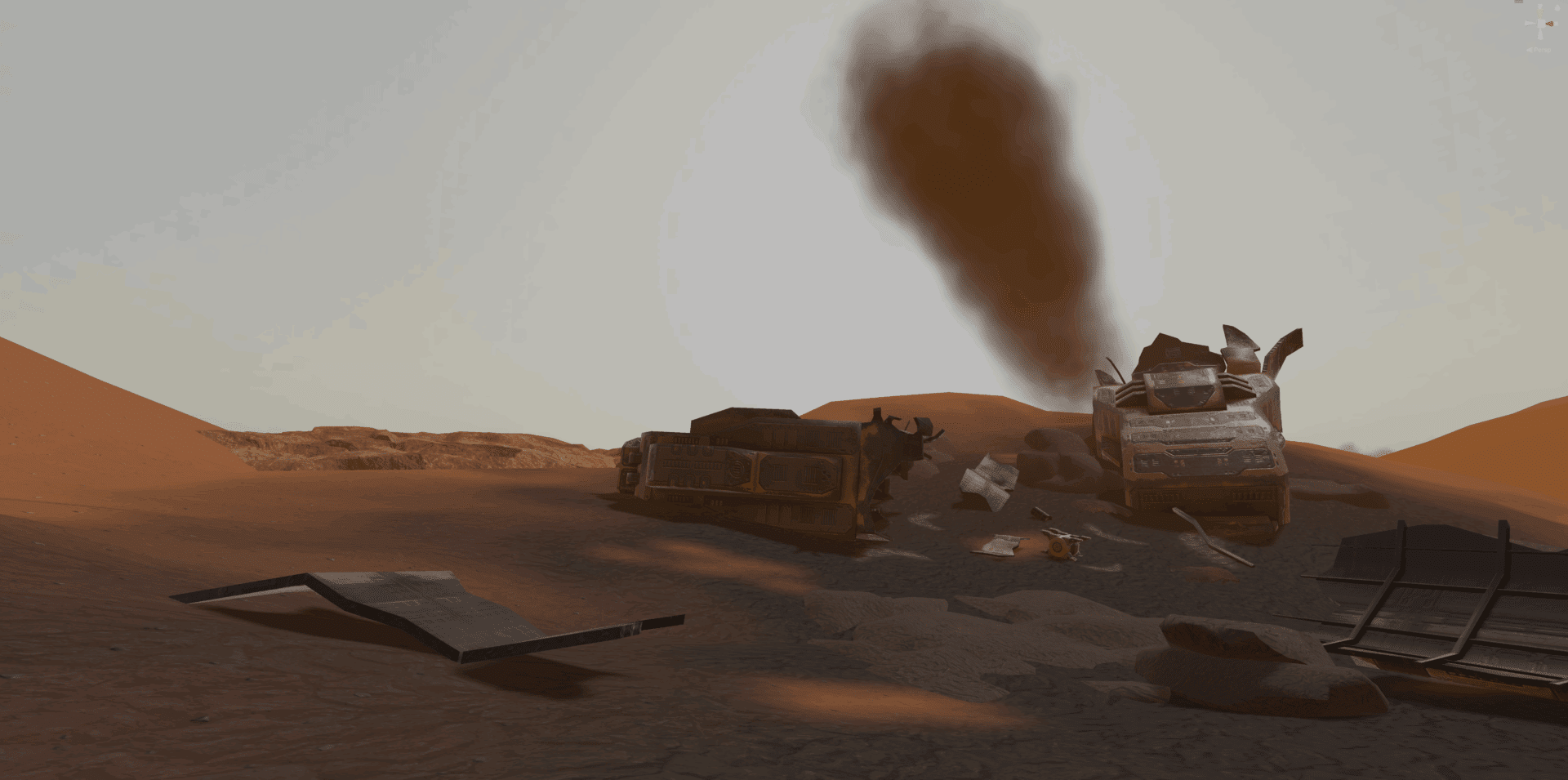
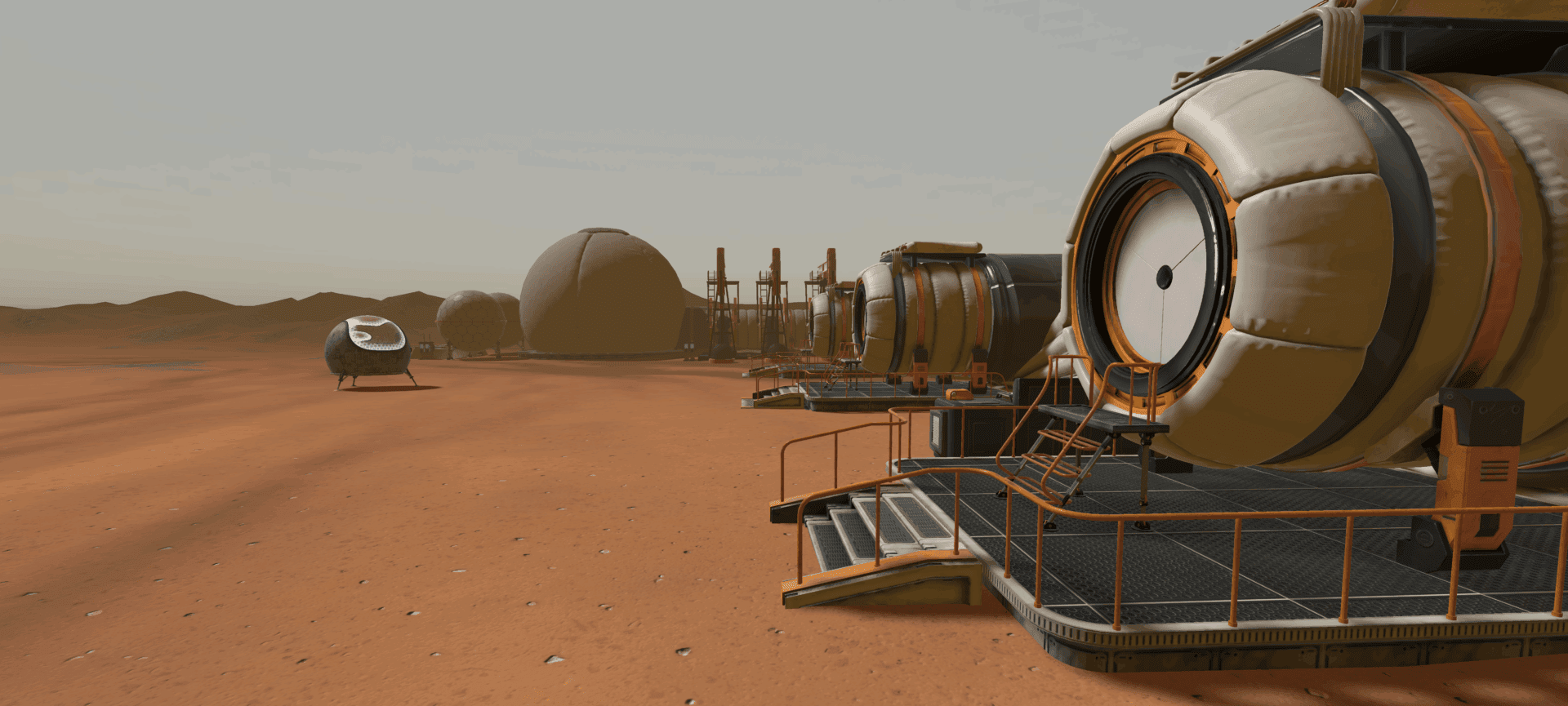
The latest release, created in partnership with Verizon, includes a web-based version of the Prologue and all three episodes of the Mars 2072 expedition, previously available only through the iOS app. These episodes follow a thrilling mission to secure water on the Red Planet and explore sustainability in space and on Earth. Each episode is approximately 10 minutes long, offering short, engaging bursts of learning that are perfect for classroom integration. Visit Verizon Innovative Learning HQ for educator support and micro-credentials relating to TimePod Adventures.

VFT3D Asset Thumbnail Large 2

Prologue  
A tutorial experience introducing students to the TimePod time machine and their virtual guide, ADA. 

Episode 1: Water Crisis  
Students investigate a water emergency on Mars and learn about water scarcity and conservation. 

Episode 2: Aquifer  
Learners repair a broken drill and uncover an underground water source through hands-on problem-solving. 

Episode 3: Heading Home  
A look at the future of the Mars colony and its sustainable practices, with reflections on Earth’s own resource challenges. 

This new trilogy of Mars episodes combines interactive gameplay with curriculum-linked learning, designed to support instruction in STEM, social studies, and Earth/space science. Each episode also builds critical thinking and problem-solving skillsno spaceship required. 

Why Web Access Matters

One of the most exciting aspects of this release is the move from app-only content to full web accessibility. This shift significantly increases classroom flexibility and equity, especially in environments where shared devices, Chromebooks, or BYOD policies are the norm. 

There’s no need to download anything or install software. Just visit DE Experience or timepod.discoveryeducation.com from your preferred device and start exploring. Students can dive into the experience from any device with an internet connection and audio output, making TimePod Adventures more accessible than ever before.

Chromebook mockup 3

The episodes are available in both English and Spanish, with fully translated audio and captions. Whether you’re teaching in a dual-language classroom or supporting multilingual learners, this added flexibility supports diverse learning needs and makes sure no student is left behind. 

Built for the Classroom, Supported by Educator Resources

Designed with educators in mind, TimePod Adventures comes with a suite of teaching materials to help you integrate these journeys into your curriculum with confidence. You’ll find: 

  • A step-by-step Educator Guide for the Prologue to help students get comfortable navigating the TimePod.
  • A comprehensive guide for the Mars 2072 series with detailed explanations, discussion prompts, and extension ideas. 
  • 12 classroom activities (four for each Mars episode) tailored to different grade bands – from K–2 up to 9–12.
Immersive Learning Explore Mars

These assets align with key curriculum standards and are perfect for sparking rich discussions about space exploration, sustainability, and ethical decision-making. 

Immersive Learning That Sticks

At its heart, TimePod Adventures is about more than just time travel. It’s about giving students agency to solve problems, explore historical and futuristic environments, and reflect on the real-world implications of their choices. 

The immersive nature of the episodes – cinematic visuals, a strong narrative voice, and interactive puzzles – makes the learning stick. Students aren’t just watching a video or reading a passage – they’re part of the story. 

When students experience the thrill of driving a Mars rover, uncovering ancient artifacts, or rewiring a broken machine, they engage deeply with scientific and social concepts. These experiences lead to meaningful conversations in the classroom and long-lasting understanding beyond it. 

Ready to Launch

The new TimePod Adventures content is live and ready to explore at timepod.discoveryeducation.com. Whether you’re using it to introduce environmental science, launch a unit on Mars, or enrich your technology curriculum, this tool gives students the chance to explore, analyze, and create meaning from immersive experiences. 

No subscriptions. No logins. No installs. Just incredible, standards-aligned learning – ready whenever you are. 

Screenshot 2025 06 17 at 09 00 33

Ready to Start Your Mission?​

Visit https://timepod.discoveryeducation.com or Discovery Education Experience to play the new episodes, download classroom guides, and bring immersive STEM learning to your students.

The post Explore Mars, Anywhere: New TimePod Adventures Episodes Now Available on the Web appeared first on Discovery Education.

]]>
TimePod Hero Image VFT3D Asset Thumbnail Large -2 Chromebook mockup -3 Immersive Learning Explore Mars Generic Decorative -2 Screenshot 2025-06-17 at 09-00-33
Stop the Summer Slide: 6 Engaging Resources to Keep Kids Learning https://www.discoveryeducation.com/blog/teaching-and-learning/discovery-education-cep-summer-learning/ Fri, 20 Jun 2025 14:00:00 +0000 https://www.discoveryeducation.com/?post_type=blog&p=192985 Summer’s here, and while the sun is blazing, so are the opportunities to keep young minds shining bright! Whether you’re a teacher sharing resources with families or a parent looking to keep the learning spark alive, we’ve rounded up six opportunities from our Corporate Partnerships that turn summer into a season of discovery!    From hammering […]

The post Stop the Summer Slide: 6 Engaging Resources to Keep Kids Learning appeared first on Discovery Education.

]]>

Summer’s here, and while the sun is blazing, so are the opportunities to keep young minds shining bright! Whether you’re a teacher sharing resources with families or a parent looking to keep the learning spark alive, we’ve rounded up six opportunities from our Corporate Partnerships that turn summer into a season of discovery! 


From hammering at Home Depot to swinging into STEM with LIV Golf, these activities are brain-boosting adventures that will keep that learning spark alive throughout the summer!

timely relevent Summer

Junior Fire Marshal® Training Academy

Equip students with vital fire safety and prevention skills, empowering them to protect their families. The Junior Fire Marshal® Training Academy offers K–3 students an exciting opportunity to delve into fire safety essentials and earn their Junior Fire Marshal Certificate. This program features a collection of standards-aligned classroom resources designed to make learning both fun and impactful.

Build, Learn, and Explore This Summer with Home Depot Workshops!

Home Depot’s free, hands-on Workshop Days are a fun and engaging way for kids to keep building their skills all summer long. From hammering to painting, each project sparks creativity and introduces STEM concepts in a playful, practical way. The free in-store kids’ workshops are held on the first Saturday of every month, 9:00 AM local time, while supplies last. 

Plus, explore a trove of digital resources at Science Fair Central to keep the discovery going. Whether you’re crafting in-store or learning online, have kids grow, create, and learn together this summer! 

LIV to Learn: Keep Minds Bright All Summer

Where curiosity meets adventure — on and off the golf course! Whether you’re exploring the wonders of science, diving into digital creativity, or unlocking new golf skills – LIV to Learn, a collaboration between LIV Golf and Discovery Education, keeps young minds active and engaged. 

This program turns summer into a season of exploration with backyard experiments and virtual field trips. With resources that blend sports, STEM, and real-world learning, LIV to Learn helps students stay sharp while having fun — because learning doesn’t stop when the bell rings, it just gets more exciting! 

Verizon’s Immersive Explorers: Your Summer Learning Hotspot

As we wrap up the school year, we’re excited to highlight the Immersive Explorers program, in collaboration with Verizon. This initiative uses immersive techniques, ready-to-use activities, resources, and professional development materials to create interactive and engaging learning experiences. 

The program goes beyond traditional teaching methods, encouraging active participation, critical thinking, and real-world application of knowledge. It’s a great opportunity for students to experience next-generation education. 

Keep Curiosity Cool with Media Literacy Bundles!

How do you determine what’s real or reliable online? With the Digital Citizenship Initiative’s new Media Literacy Bundles, you’ll empower learners to evaluate information critically and share responsibly. From fun activities like Digital Detectives to lessons like Going Viral, there’s something for every grade level.  

Help create informed digital citizens today. 

Virtual Field Trips: On-Demand and Perfect for Summer

de virtual field trips 768w

Summer is a fantastic time to explore our on-demand virtual field trips for engaging and educational experiences. Whether you’re looking to dive into history, sports, science, or art, virtual field trips offer a convenient way to learn and explore from the comfort of your home. 

Check out our most recent VFTs: 

Don’t Let the Learning Drift Away!

As the days get longer and the popsicles melt faster, remember summer is the perfect time to explore, create, and grow. These programs aren’t just a way to pass the time—they’re a passport to new skills, big ideas, and unforgettable experiences. Whether it’s building birdhouses, exploring virtual worlds, or becoming a Junior Fire Marshal, there’s something here for every curious kid. So share these resources, spark some summer joy, and keep the learning wave rolling all season long. 

Learn More about Discovery Education's Corporate Partnerships

The post Stop the Summer Slide: 6 Engaging Resources to Keep Kids Learning appeared first on Discovery Education.

]]>
timely_relevent_Summer Hartford-JFM-Google-1200×1200-1 Screenshot 2025-06-13 at 11-43-35 AM LIV-Golf-Social-1200×1200-B Screenshot 2025-06-13 at 12-01-37 PM sos-digital-citizenship-creativity-social-share de-virtual-field-trips-768w Picture of Lindsey Davis
Storytelling in 3D: Bringing Narrative Learning to Life  https://www.discoveryeducation.com/blog/teaching-and-learning/storytelling-in-3d-bringing-narrative-learning-to-life/ Tue, 29 Apr 2025 21:13:59 +0000 https://www.discoveryeducation.com/?post_type=blog&p=189722 Storytelling has long been a cornerstone of effective teaching. From ancient oral traditions to modern digital narratives, stories provide a natural way for students to connect with information, making learning more engaging and memorable. Research has shown that narrative-driven instruction enhances comprehension, fosters critical thinking, and improves information retention. But why is storytelling so powerful […]

The post Storytelling in 3D: Bringing Narrative Learning to Life  appeared first on Discovery Education.

]]>

Storytelling has long been a cornerstone of effective teaching. From ancient oral traditions to modern digital narratives, stories provide a natural way for students to connect with information, making learning more engaging and memorable. Research has shown that narrative-driven instruction enhances comprehension, fosters critical thinking, and improves information retention. But why is storytelling so powerful in the classroom, and how can educators harness 3D technology to amplify its impact? 

The Power of Narrative in Learning

Stories captivate us because they provide context and meaning. When students encounter facts in isolation, they may struggle to see their relevance, but when those same facts are embedded within a narrative, they become part of a journey. Immersive storytelling deepens this connection further by placing students inside the narrative itself. When learners actively engage in a story—rather than passively absorbing information—they experience emotions, make decisions, and develop empathy. 

Immersive learning principles explain that engaging, interactive narratives improve understanding by making lessons feel personal. When students see themselves as part of a story, they become more invested in the material. This is particularly true in subjects like history, literature, and science, where students can step into different perspectives and visualize abstract concepts in context. But traditional storytelling methods have limitations—textbooks, images, and even videos can only take students so far. 

Transforming Storytelling with 3D Model Building in Sandbox

3D technology, like that available in Sandbox, revolutionizes narrative learning by enabling students to build and interact with their own immersive worlds. Instead of simply reading about a historical event, they can reconstruct it. Instead of watching a documentary, they can create their own. This shift—from passive learning to active creation—transforms students into storytellers, not just content consumers. 

Imagine a lesson on Ancient Egyptian temple design. Traditionally, students might read about the grandeur of Karnak or watch a video explaining its significance. While these methods convey information, they lack personal engagement. Now, picture students using Sandbox to build their own Ancient Egyptian narrative.

They begin by constructing a temple, carefully placing columns, statues, and hieroglyphs, making decisions based on historical research. As they create, they consider not just the architecture, but the story behind it—who would have built this temple? Why was it significant? What ceremonies took place here? Perhaps they narrate a scene where a young Egyptian scribe enters the temple to witness a grand festival. In crafting this scene, they must apply knowledge of religious customs, social hierarchies, and artistic styles. They aren’t just learning history; they are stepping inside it. 

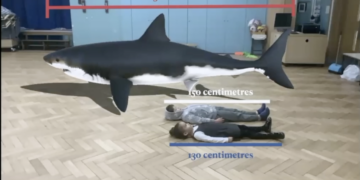
Then comes the true power of technology like Sandbox. Using life-sized AR, students can stand beside their creations, experiencing scale and texture in ways that static images cannot provide. A towering obelisk feels imposing when you see it at full height. The intricate carvings on temple walls evoke the pride and craftsmanship of their creators. This sensory engagement helps students internalize not just the facts, but the deeper significance of these structures.

Case Study: The Second World War

In a perfect example of the impact of this approach, Lawford School in Essex used Sandbox to bring WWII history to life through student-created narratives. Instead of just studying the Blitz, students built 3D environments and crafted immersive stories. 

Using Sandbox’s green screen feature, students created news reports interviewing virtual civilians about bombings and first-person videos experiencing an air raid inside an Anderson Shelter. These narratives gave students a personal connection to history, fostering empathy and deeper understanding. 

Teachers reported increased engagement, collaboration, and critical thinking. The project showcased how 3D storytelling transforms history lessons into immersive, memorable experiences.

Screenshot

Empowering Students Through Narrative Creation

Beyond history, this approach can apply to literature, science, social studies, and many more topics. Students can build interactive stories around fictional worlds, model the evolution of a species over time, or create a digital museum showcasing artifacts from a period they’ve researched. The possibilities are endless, but the key takeaway is the same—when students create stories in 3D, they move beyond memorization to deep, meaningful understanding. 

As educators, embracing technology like Sandbox allows us to cultivate critical thinking, creativity, and engagement in ways traditional methods cannot. When students don’t just read history, but build it—when they don’t just hear about cultures, but step into them—their learning becomes an experience, not just a lesson. In the age of digital learning, 3D storytelling is the bridge between education and imagination, giving students the power to bring narratives to life.

Sandbox is now Available for Chromebook

The award-winning Sandbox app has landed on the Google Play Store for Chromebook devices, bringing immersive learning to even more classrooms! 

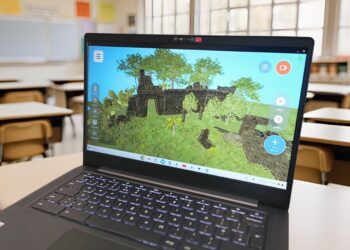
The Chromebook version matches the beloved features of Sandbox: students can create stages, use a vast library of 3D models, explore pre-made scenes, and share their creations between devices. In Sandbox for Chromebook, students shrink themselves down into their scenes and explore them in an interactive, video-game style using a keyboard and mouse. 

Designed for access and equity, Sandbox for Chromebook is helping us work towards every student experiencing hands-on immersive learning and exploring the universe from inside their classroom. 

Untitled design 3

See How Sandbox Can Bring Storytelling to Life

The post Storytelling in 3D: Bringing Narrative Learning to Life  appeared first on Discovery Education.

]]>
Screenshot Screenshot Untitled design – 3 Picture of Hannah McNaughton-Hussain
Measuring Engagement: Tools to Capture Learning Evidence with Sandbox https://www.discoveryeducation.com/blog/teaching-and-learning/measuring-engagement-tools-to-capture-learning-evidence-with-sandbox/ Mon, 07 Apr 2025 19:34:31 +0000 https://www.discoveryeducation.com/?post_type=blog&p=183933 What is Sandbox? Sandbox is an immersive learning tool that transports students to different times and places, helping them emotionally connect with the material they are exploring. This interactive approach leads to better knowledge retention and long-term interest in a topic. Students can choose from hundreds of 3D models—exploring ancient Greece, driving the Mars rover, […]

The post Measuring Engagement: Tools to Capture Learning Evidence with Sandbox appeared first on Discovery Education.

]]>

What is Sandbox?

Sandbox is an immersive learning tool that transports students to different times and places, helping them emotionally connect with the material they are exploring. This interactive approach leads to better knowledge retention and long-term interest in a topic.

Sandbox AR factory jpg

Students can choose from hundreds of 3D models—exploring ancient Greece, driving the Mars rover, diving into ocean depths, or celebrating cultural events like Lunar New Year. Within Sandbox, students can build, explore, and record their learning, making abstract concepts tangible. To enhance the learning experience further, teachers can access classroom activities, instructional videos, and guides in Discovery Education Experience.

But engagement alone isn’t enough. 

While engagement is a crucial first step, it is only meaningful if learning can be measured. Teachers need evidence of student progress, just as they would with traditional lessons. The challenge lies in how to assess and document learning within an immersive environment like Sandbox.

How to Measure Learning in Immersive Experiences

Think of immersive learning in the same way you would approach field trips, lab experiments, or creative projects. The experience itself is engaging, but structured assessment ensures students absorb and apply what they’ve learned. Here are some effective ways to measure understanding:

  • Reflection Activities: After using Sandbox, students can write journal entries, reflections, or exit tickets describing what they built and what they learned.
  • Guided Questioning: Teachers can ask open-ended questions about student creations, encouraging them to articulate their learning process and justify design choices.
  • Comparative Analysis: Students can compare their Sandbox scene with historical accounts, scientific models, or artistic interpretations, demonstrating their understanding of accuracy and representation.
  • Peer Reviews & Discussios: Classmates can review each other’s work, providing constructive feedback and discussing different approaches to the same problem.
  • Concept Mapping: Have students create a concept map or diagram explaining how their Sandbox creation connects to broader topics or real-world applications.

Recording Learning Within Sandbox

Beyond measuring learning, teachers also need efficient ways to capture and document student work. Fortunately, Sandbox provides built-in tools for students to document and share their learning:

  • Screenshots: Students can take photos of their 3D work from any angle, then share, print, or save them for reference.
  • Video Recordings (iPads only): In Sandbox AR, students can record a video of themselves navigating their scene while narrating their design choices or roleplaying historical figures.
  • Text Panels: This tool allows students to place text labels within their 3D space, annotating their work before taking a screenshot.
  • Share Feature: The most powerful tool for documentation—students can generate a unique access code to share their work with teachers for later review.

The Share Feature: A Teacher's Best Friend

Manually collecting and reviewing every student’s device would be impractical, but Sandbox’s Share feature streamlines this process. Here’s how teachers can efficiently gather and review student projects:

  1. Students save their work: Before sharing, students should use the Rename tool to give their project a meaningful title, ideally including their own name.
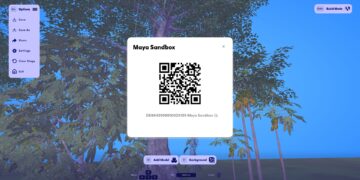
  2. Generate a share code: From the Options menu, students select Share, which generates a QR code and an alphanumeric access code.
  3. Teachers collect projects efficiently:
    • If using an iPad, the teacher can open Sandbox AR, tap Load from QR, and scan each student’s QR code. The projects will then appear in Recent Sandboxes on the teacher’s device.
    • If using Chromebook, students can write down or send their access codes, allowing the teacher to retrieve them later from a single device.

Get Started

Engagement is the key to unlocking deeper learning, but without meaningful assessment, its impact remains unseen. With Sandbox, teachers have a robust suite of tools to not only captivate students but also collect tangible evidence of their learning. By integrating screenshots, videos, text panels, and the Share feature into their lessons, educators can ensure that immersive learning experiences are fun, measurable, and impactful.

Sandbox is Now Available for Chromebook!

The award-winning Sandbox app has landed on the Google Play Store for Chromebook devices, bringing immersive learning to even more classrooms!

The Chromebook version matches the beloved features of Sandbox: students can create stages, use a vast library of 3D models, explore pre-made scenes, and share their creations between devices. In Sandbox for Chromebook, students shrink themselves down into their scenes and explore them in an interactive, video-game style using a keyboard and mouse. 

Designed for access and equity, Sandbox for Chromebook is helping us work towards every student experiencing hands-on immersive learning and exploring the universe from inside their classroom.

Learn More about Sandbox in the Classroom!

The post Measuring Engagement: Tools to Capture Learning Evidence with Sandbox appeared first on Discovery Education.

]]>
Sandbox-AR_factory.jpg
Intrinsic Motivation: Why It’s Lacking in Students and How to Foster It https://www.discoveryeducation.com/blog/teaching-and-learning/intrinsic-motivation-why-its-lacking-in-students-and-how-to-foster-it/ Mon, 07 Apr 2025 19:28:11 +0000 https://www.discoveryeducation.com/?post_type=blog&p=183372 The drive to engage and motivate students is a critical factor in their ability to learn and retain knowledge. Developing these for learners creates the conditions where they are giving their attention and want to learn. Motivation comes in two forms: extrinsic and intrinsic. Extrinsic is often related to a drive to finish, to achieve […]

The post Intrinsic Motivation: Why It’s Lacking in Students and How to Foster It appeared first on Discovery Education.

]]>

The drive to engage and motivate students is a critical factor in their ability to learn and retain knowledge. Developing these for learners creates the conditions where they are giving their attention and want to learn.

Motivation comes in two forms: extrinsic and intrinsic. Extrinsic is often related to a drive to finish, to achieve and obtain the rewards. It can also be driven by not so positive forces. Intrinsic on the other hand is all about pursuing learning for the interest, fulfilment, and even joy it can bring. I can still remember the moments in the classroom where my engagement turned to intrinsic motivation that has fueled a lifelong love of some subjects. 

Students who are intrinsically motivated tend to develop higher engagement levels and achieve greater academic success. It can also lead to a deeper involvement with learning across the board. In reality, we have to achieve learning through combinations of engagement and motivation and sometimes through sheer effort of will.

Extrinsic motivation is by far the easiest to generate. The push to achieve grades, avoid failure (real or perceived) and the desire to achieve rewards are relatively simple to execute in the classroom. These are the mechanics of motivation, and they are important to drive learning. Test scores must be achieved, but what about the more subtle intrinsic motivation? How do we trigger personal interest and enthusiasm for the inherent pursuit of learning?

Some of the barriers to developing intrinsic motivation are: 

  • Overuse of extrinsic rewards: a sole reliance on rewards and grades can diminish the intrinsic value of learning.
  • A lack of autonomy: students with little or no agency in how they learn or how they demonstrate their learning quickly become disengaged. 
  • An overcrowded curriculum: it’s hard to give space to developing intrinsic motivation when it counts. 
  • Engineering motivation: it takes planning and time to create the right conditions.

Curiosity

A great starting point is to create a moment that triggers a strong feeling of curiosity. Curiosity feeds motivation. The more curious, the more we need to engage and discover. One great way to do this is by using immersive content. Immersive content comes in all shapes and sizes, from full blown virtual reality, augmented reality, games based learning, to all the immersive content we have always loved such as books, films and music.

Curiosity Through Immersive Learning

Immersive content can provide a powerful, disruptive moment that makes students stop in their tracks, generating an intense level of curiosity and prompting full attention.

Immersive technologies like Sandbox AR provide an exciting opportunity to engage students on a deeper level. The app allows students to explore historical events, scientific scenarios, geographical environments, and their own created worlds in an interactive, virtual space. Once made, students can scale them up and inhabit them. This powerful sparking of curiosity works on so many levels. Students feel they are experiencing their created world in real life, and this fosters a strong connection with the underlying concept or topic. By making learning more tactile and engaging, students are drawn into the material and motivated to learn for the sake of discovery itself.

By integrating such innovative tools into the curriculum, educators can create meaningful connections between learning and the real world, fostering autonomy, curiosity, and a love of learning that lasts long after students leave the classroom.

AR experiences like those offered by Sandbox AR bridge the gap between abstract concepts and real-world understanding. These tools transform passive learning into active exploration, sparking curiosity and personal interest, the essential drivers of intrinsic motivation.

By integrating such innovative tools into the curriculum, educators can create meaningful connections between learning and the real world, fostering autonomy, curiosity, and a love of learning that lasts long after students leave the classroom.

The post Intrinsic Motivation: Why It’s Lacking in Students and How to Foster It appeared first on Discovery Education.

]]>
gamification-tile.jpg immersion-scuba.png Picture of Phil Birchinall
The Five Senses: Immersion in the Classroom https://www.discoveryeducation.com/blog/teaching-and-learning/the-five-senses-immersion-in-the-classroom/ Mon, 07 Apr 2025 19:20:26 +0000 https://www.discoveryeducation.com/?post_type=blog&p=183683 In an age where digital technology dominates, it’s easy to forget that when we talk about ‘immersive learning experiences’ as a way to nurture curiosity, we’re not always thinking about augmented reality or virtual reality.  VR and interactive simulations offer exciting possibilities, even with the world of education still striving towards digital equity. The high […]

The post The Five Senses: Immersion in the Classroom appeared first on Discovery Education.

]]>

In an age where digital technology dominates, it’s easy to forget that when we talk about ‘immersive learning experiences’ as a way to nurture curiosity, we’re not always thinking about augmented reality or virtual reality. 

VR and interactive simulations offer exciting possibilities, even with the world of education still striving towards digital equity. The high cost of equipment can be a barrier, especially for underfunded schools. More training is needed for educators to effectively and confidently use new tech. Quality educational content for AR and VR is still limited, and unreliable internet access in some places can be a challenge. 

What we must remember, as some of us await the slow spread of mixed reality into the classroom and others wonder if they’ll ever feel at ease with it, is that teachers have been implementing immersive techniques in the classroom for many years to build curiosity – sometimes without a scrap of digital tech in sight. 

The Basics of Immersion

Sensory Learning Can Tip the Scale Towards Curiosity

Our senses are incredibly powerful in creating memories, forming connections in our brain, and developing emotional relationships. Have you ever smelled something that has taken you back in time to a place or a person? Perhaps you’ve read a book and been so engrossed that you forget where you really are for a moment. Even while listening to music, we sometimes allow ourselves to be carried away by the idea of being a global singing sensation. This is because our senses play a crucial role in how we perceive and remember the world around us. 

annie spratt Ewfrjh0GvtY unsplash scaled jpg

Research indicates that multisensory learning experiences can significantly enhance students’ ability to retain information and understand complex concepts. By engaging multiple senses simultaneously, we activate different areas of the brain – and the more senses that are telling the brain the same story, the more likely the student is to suspend disbelief and allow themselves to be absorbed.

Here are some practical ways to amplify learning activities using the five senses.

1. Sound

Create a soundscape together by making sounds that you might hear in your chosen setting. For example, if the lesson is about exploring Antarctica, include the howling wind, the crunch of footsteps on snow, and the distant call of penguins. For ancient Rome, try the sounds of a bustling marketplace, chariots on cobblestones, and Roman soldiers marching. 

2. Taste

Introduce foods or ingredients used by specific peoples or at key historical events. For instance, when studying ancient civilizations, you might bring in samples of traditional Roman bread or Egyptian dates. During a unit on the American Revolution, tasting hardtack or dried apples can make history tangible and relatable. 

3. Smell

Smell is one of the strongest senses linked to memory. Use essential oils, spices, or other aromatic materials to evoke settings. For instance, the smell of incense can help students imagine an ancient temple, while the scent of pine needles might bring a forest ecosystem to life. 

4. Sight

Visual cues are those which we find easiest to source for the classroom. Consider sights in your space that might be distracting or anachronistic and find ways to block them out. Encourage students to create their own visual representations of what they’re learning, fostering creativity and deeper engagement.

5. Touch

Pass around an item for students to feel, such as the weight of a full backpack, a piece of clothing, or a fossil. Touch is not all about the hands – don’t underestimate the importance of students feeling the ground under their feet as they move around a space, or the sensation of warm/cold, wetness, a heavy weight, or a breeze on their face. 

Or Else, Do It Backwards

Sometimes, recreating sensory effects can feel like an extra burden on your lesson planning, or too much effort. In which case, research shows that cutting out one or more of our senses allows us to concentrate more on the senses available to us. Ever turned down the car stereo while searching for a parking spot, or closed your eyes when trying hard to remember something? 

This can be a powerful tool in the classroom when there are many distractions, or when it’s easier to obscure senses than target them.  

Close Eyes While Listening: Encourage students to close their eyes while listening to a story or an important explanation. This enhances auditory focus and helps students visualize the narrative in their minds. 

Turn Out the Lights: When watching a video, turn out the lights or close the blinds to minimize visual distractions and enhance the viewing experience. 

Create Silence: Mimic a deserted landscape by creating prolonged, complete silence in the classroom. This exercise can be particularly effective in lessons about space, deserts, or other isolated environments. 

The post The Five Senses: Immersion in the Classroom appeared first on Discovery Education.

]]>
annie-spratt-Ewfrjh0GvtY-unsplash-scaled.jpg
Introducing an Immersive Learning Experience from CHS and Discovery Education https://www.discoveryeducation.com/blog/de-news/introducing-an-immersive-learning-experience-from-chs-and-discovery-education/ Sat, 05 Apr 2025 19:34:12 +0000 https://www.discoveryeducation.com/?post_type=blog&p=183373 The CHS Foundation and Discovery Education have expanded their educational partnership by launching HARVEST: From Seed to Success, a gamified learning experience designed to engage students in agriculture and cooperative business. As part of the ongoing Cooperative Minds program, this new digital resource provides students with a hands-on, interactive experience that deepens their understanding of […]

The post Introducing an Immersive Learning Experience from CHS and Discovery Education appeared first on Discovery Education.

]]>

The CHS Foundation and Discovery Education have expanded their educational partnership by launching HARVEST: From Seed to Success, a gamified learning experience designed to engage students in agriculture and cooperative business. As part of the ongoing Cooperative Minds program, this new digital resource provides students with a hands-on, interactive experience that deepens their understanding of essential industry roles and the cooperative business model. 

Building on the success of “The Power of Cooperatives” Virtual Field Trip and its in-depth Career Profiles, the program now brings the learning experience into a virtual, browser-based environment. Students step into the role of a co-op farmer-owner, navigating the complexities of growing crops, working with ag professionals, and managing key decisions—all while gaining insight into how cooperative businesses function.

Preparing Students for Industry Challenges 

In today’s rapidly evolving economy, the need for students to develop practical, industry-relevant skills is more pressing than ever. As students test soil, choose crops, and time their harvests, they are not only learning the fundamentals of agriculture but also practicing decision-making, problem-solving, and teamwork in a real-world context. 

Programs like Cooperative Minds are instrumental in providing students with a sense of what it takes to succeed in industries like agriculture and beyond. By simulating the roles of professionals such as agronomists and co-op leaders, HARVEST opens students’ eyes to career paths that they may not have previously considered. The gamified approach to learning enables students to experiment with their choices and see the outcomes of their decisions in real time—lessons that can be transferred to various other ‘fields’. 

VFT3D Asset Thumbnail Large 1 png

The post Introducing an Immersive Learning Experience from CHS and Discovery Education appeared first on Discovery Education.

]]>
VFT3D-Asset-Thumbnail-Large-1.png
Create an Interactive Journey to Career Readiness https://www.discoveryeducation.com/blog/future-ready-students/create-an-interactive-journey-to-career-readiness/ Sat, 05 Apr 2025 19:33:56 +0000 https://www.discoveryeducation.com/?post_type=blog&p=183080 Incorporating immersive learning tools transforms the learning experience by allowing students to “learn by doing,” putting them at the center of the learning process. Gamified experiences promote career readiness by introducing students to diverse career opportunities and allowing them to bridge the gap between academic learning and real-world applications.  What is Immersion, and Why is […]

The post Create an Interactive Journey to Career Readiness appeared first on Discovery Education.

]]>

Incorporating immersive learning tools transforms the learning experience by allowing students to “learn by doing,” putting them at the center of the learning process.

Gamified experiences promote career readiness by introducing students to diverse career opportunities and allowing them to bridge the gap between academic learning and real-world applications. 

What is Immersion, and Why is it Important?

The CHS Foundation and Discovery Education have partnered once again to provide high school students nationwide with digital curriculum resources that cultivate ingenuity and success through an understanding of the cooperative business model. HARVEST: From Seed to Success is a gamified learning experience designed to immerse students in the world of agriculture and cooperative business. This innovative digital resource provides students with a hands-on, engaging platform that puts them in the role of a farmer, responsible for making critical decisions about soil health, crop selection, and harvest timing and goes beyond textbooks and lectures, helping them explore real-world challenges within an industry that is critical to our global economy.

Interactives like HARVEST are more than just a game—they’re a powerful educational tool designed to cultivate essential life skills like problem-solving, critical thinking, and decision-making. Alongside the interactive, educators can take advantage of the downloadable Educator Guide, which is full of practical resources to help ease introduction of the material, scaffold lessons, and offer students an enriched learning experience that prepares them for future career paths in agriculture and beyond.

By stepping into a real-world role—such as a co-op farmer-owner in HARVEST—students can:

1. Practice Critical Thinking and Decision-Making Skills

Interactives aren’t just about agriculture or the other hands-on content they highlight, they’re about teaching students to think critically, solve problems, and collaborate effectively. As students progress through games, they must weigh the consequences of their decisions, learn from their mistakes, and adjust their strategies—skills that are crucial in any career path they may choose. In HARVEST, students select crops based on soil composition and plan harvesting at the optimal time for maximum yield. This mirrors the kinds of challenges they will face in the workforce, particularly in sectors like agriculture, technology, and business.

2. Engage with Real-World Challenges

Agriculture is a complex, multifaceted industry, and HARVEST allows students to get hands-on experience with the same kinds of decisions farmers and agricultural professionals make daily. From analyzing soil samples to operating a combine, students gain a deep understanding of the agricultural process and how cooperative businesses work to share resources and maximize success. While students cannot always take their learning outside and get their hands in the dirt to learn about agriculture, interactives provide a chance to experience the challengesof a new career industry from the comfort of the classroom.

3. Make Learning Fun through Gamification

Gamification, the integration of game mechanics into non-game settings, has been proven to boost student engagement and motivation. Games provide an environment where students can experiment and learn through trial and error. HARVEST allows them to do just that, rewarding exploration, creativity, and perseverance, which are key to both educational and personal success. The interactive nature of HARVEST also provides students with immediate feedback on their choices, helping them understand the direct consequences of their decisions.

Think of gamified resources as the jelly in a sandwich, with the educator materials serving as the bread around it—supporting and enhancing the learning experience. By leveraging the power of gamification and immersive learning with programs like HARVEST, educators can help students explore new career paths, develop transferable skills, and gain the confidence to tackle future challenges in any ‘field’.

Find More Innovative Teaching Ideas to Encourage Career Exploration

The post Create an Interactive Journey to Career Readiness appeared first on Discovery Education.

]]>
CHS-tile-scaled.jpg CHS-tile-2-scaled.jpg
Five Tips for Creating Experiential Learning Opportunities https://www.discoveryeducation.com/blog/teaching-and-learning/five-tips-for-creating-experiential-learning-opportunities/ Fri, 04 Apr 2025 19:34:03 +0000 https://www.discoveryeducation.com/?post_type=blog&p=183184 Experiential learning transforms abstract concepts into tangible experiences, fostering a deeper curiosity and understanding for students. Below you’ll find some information about experiential learning, and five tips for successfully creating engaging learning opportunities that captivate students and encourage a lifelong love of discovery.  What Is Experiential Learning and Why Is It Important? As the name […]

The post Five Tips for Creating Experiential Learning Opportunities appeared first on Discovery Education.

]]>

Experiential learning transforms abstract concepts into tangible experiences, fostering a deeper curiosity and understanding for students. Below you’ll find some information about experiential learning, and five tips for successfully creating engaging learning opportunities that captivate students and encourage a lifelong love of discovery. 

What Is Experiential Learning and Why Is It Important?

As the name suggests, Experiential Learning Theory is the process of an experience transforming into a learning moment. David A. Kolb defined learning as:  “…the process whereby knowledge is created through the transformation of experience.”  

Just as a student driver must practice on a real road before taking a final test, so should any student experience “the real thing” to learn most effectively. You wouldn’t want to be a passenger in an airplane piloted by someone who had only learned out of a book. The same goes for surgeons, builders, artists . . . you get the idea. 

Of course, in the classroom, the ‘real thing’ can be hard to come by. It isn’t, after all, so easy for educators to walk students around the first Jamestown settlement, or experience zero-gravity, in order to absorb knowledge of the lessons being taught. But using immersive learning techniques and principles can help educators come closer to true experiential learning than ever before. 

So how do we go about creating these experiences? How do we set ourselves, and our students, up for success? 

Here’s an anecdote of an engaging experiential learning experience I planned for my students:  

When teaching the abstract concept of ancient Egyptian embalming to students ages 7-8, my partner teacher and I dressed up in white coats and wheeled in a paper-mâché body. We then began to pull fake organs out of the body and put each one into a “canopic jar” before wrapping the figure in toilet tissue. The learning objective was to understand the process of, and the reasons behind, ancient Egyptian embalming and mummification.

There are several reasons why this lesson was a success—here are five tips for experiential learning opportunities like this one.

1. Let Students Do It Themselves

pexels itfeelslikefilm 695963 scaled jpg

During this lesson, we collectively embalmed and mummified a paper-mâché body, and every single student in the room was attentive. This is because the students were being selected one by one to come up and extract body parts made from wet sponges and spaghetti, and they all wanted to be next. Not only is this attitude infectious, but it also supports your classroom management as you have a ready-made reward for positive behavior. 

Don’t forget that students can participate in lots of ways, so make up as many opportunities as you can. Why not ask a student to stand beside the display board and highlight each step in the process as you go along, or choose a student to pass the correct tool from a tray? That student will remember the part they played and the responsibility they were given, which will also help them feel more connected to the lesson as a result. 

2. Promote Active Listening

So, what was it about the mummification lesson that made every student confident enough to raise their hand and participate? 

The secret lay in the teachers’ performance. As teachers, we displayed the correct instructions for the embalming process where everyone could see them, and it was the students who directed the experiment, giving them agency and confidence as a group. They could only come and participate in the embalming if they knew what stage came next in the sequence, and active listening was encouraged by the teachers’ pretending not to know which step came next. 

Educators must find ways to scaffold student learning, so that they are not tempted to step in and correct students’ actions. One way to try this is by allowing students to correct the educator! In the mummification experience, before each student removed an organ, the teacher told the class loudly (and incorrectly) which organ they thought should come next. When the group called back that the teacher was wrong and corrected them, the active student knew which body part to extract and why. Avoiding negative experiences for the active student meant that with each extraction, even the most reserved students grew more confident to take part.

3. Use Ready-Made Digital Experiences

I won’t pretend that this lesson didn’t include a lot of prep work. If you don’t have time to paper-mâché or your topic can’t physically be recreated in the classroom, then don’t give up!  

Enter the world of digital immersive learning experiences. There are many digital resources available that are fundamentally based on experiential learning theory and can transport students to impossible times and places. Students can try out real career roles, and experience dangerous scenarios in complete safety thanks to technology. 

Explore 3D Virtual Field Trips for experiential learning opportunities, complete with facilitator guides and standards-aligned activities:

timepod plesiosaur jpg

TimePod Adventures: Plesiosaur Encounter

A once in a lifetime mission awaits with TimePod Adventures! Travel to the Cretaceous Period and journey through the depths of the vibrant prehistoric ocean. On this adventure students will collect evidence of prehistoric creatures, including the magnificent plesiosaur.
3D VFT Channel blog tile jpg

3D Virtual Field Trips Channel

3D Virtual Field Trips are new interactive experiences that take students on impossible journeys. Travel to ancient Egypt, the bottom of the sea, the Moon, and more incredible places right from your web browser! Students will solve problems, try out real careers, discover artifacts, and complete objectives in these exciting cross-curricular games.

4. Have Fun

Whatever experience you plan for your students, make sure you enjoy it too.  

Immersive experiences hold power because they elicit emotional responses from students, and a personal connection to the learning. You are the role model in this session. Model the enthusiasm and the curiosity that you want to see from the students. I didn’t stop them from exclaiming when I was hooking my cadaver’s “brain” (an unraveled net shower sponge soaked in jelly) out through its nose. I pulled faces too, and showed all the concentration that I would expect from a top surgeon. I explained why it was so important to get this right on behalf of the deceased person – and saw that when my students took part, they showed the same care and attention too. 

Be confident (or pretend to be), and you can’t go wrong. My paper-mâché body didn’t look anything like a real person. Ancient Egyptians didn’t wear lab coats and plastic goggles, or wheel their subjects around on lunch carts, but the experience was well worth the inaccuracies. The students were fully engaged and allowed themselves to be swept along, absorbing knowledge along the way. They showed frustration in all the right places and shouted “STOP!” when we pretended to do the process wrong.

5. Make It Memorable

One of the ways in which immersive experiences can amplify learning is they help students to retain information much longer than lessons that are all the same and become a blur. This lesson was such a new format for my students that they came away talking about it, remembering which organ belonged in which jar, why the jars had animal heads, which organs remained in the body, and much more. They also became more curious—memorable experiences often spark questions and a desire to explore the topic further. 

It is also important to understand that in these situations, the lesson’s learning outcome is not the end point. When taking part in an activity as memorable as this, my students would take the story home with them, teach the information to someone else, recreate the activity later, and learn even more deeply as a result. The more they think over that exciting day, and whichever part of it resonated most with them, the better for their overall development. Who knows, maybe it inspired a future surgeon!

When planning lessons, there are always two major aspects to consider: What skill will my students learn in this lesson? How will the information be presented to them?

Experiential learning can take your students from just absorbing the content in a lesson to actively participating in learning with a hands-on opportunity to practice skills and learn new things!

Picture of Hannah McNaughton-Hussain

Hannah McNaughton-Hussain

Hannah McNaughton-Hussain is a UK primary school teacher, experienced digital publisher and manager of Discovery Education’s Immersive Learning Hub. Hannah manages exciting products like Sandbox and TimePod Adventures, and is passionate about the power of transformative learning experiences.

A Word of Caution 

Immersion can (and should) elicit emotional responses from students. Always be aware of the potential triggering effect of any realistic experience on specific students in your setting, and exercise due care and attention. There will also always be one child who thinks you really have brought a dead body into the classroom and pulled out its brain through its nose. 

The post Five Tips for Creating Experiential Learning Opportunities appeared first on Discovery Education.

]]>
pexels-itfeelslikefilm-695963-scaled.jpg timepod-plesiosaur.jpg HAUL.jpg 3D-VFT-Channel-blog-tile.jpg Picture of Hannah McNaughton-Hussain