Instructional Strategies | Discovery Education Nurture Curiosity Thu, 16 Oct 2025 14:15:41 +0000 en-US hourly 1 https://wordpress.org/?v=6.8.3 Register Today: Educator-Led Webinars to Power Your Classroom  https://www.discoveryeducation.com/blog/teaching-and-learning/educator-led-webinars/ Wed, 15 Oct 2025 19:13:07 +0000 https://www.discoveryeducation.com/?post_type=blog&p=201426 Faced with teaching a unit on bacteria, two seventh-grade teachers paused to consider how their students would best learn the information. Watching a video? Exploring interactive simulations? Reading engaging content?  They quickly realized the answer was—all of these options. Or maybe just one of them. It simply depended on each student’s particular learning style. Enter […]

The post Register Today: Educator-Led Webinars to Power Your Classroom  appeared first on Discovery Education.

]]>


Faced with teaching a unit on bacteria, two seventh-grade teachers paused to consider how their students would best learn the information. Watching a video? Exploring interactive simulations? Reading engaging content? 

They quickly realized the answer was—all of these options. Or maybe just one of them. It simply depended on each student’s particular learning style. Enter Discovery Education’s choice boards, interactive “digital menus” which allow students to choose how they learn a topic or standard. Choice boards cater to different learning styles, foster deep engagement, and allow students ownership of their learning. They’re one of the many curriculum-aligned tools our educator panelists will be discussing in our upcoming Educator Essentials Fall Webinar Series.

Blog post image 1

Real Classrooms. Real Solutions. Real Impact.

Our Educator Essentials Webinar Series will feature short, practical sessions led by educators in our Discovery Educator Network (DEN) and aim to provide a deeper understanding of how to use DE tools in a meaningful way. They’ll focus on real classrooms, real solutions, and real impact, and you’ll walk away with fresh strategies you can put into practice immediately 

The Presenters

Rita Mortenson

Instructional Coach, Verona Area High School, Wisconsin

The Experience webinars will be hosted by Rita Mortenson, Instructional Coach at Verona Area High School in Wisconsin. Rita is a 20-year veteran user of Discovery Education and incredible advocate for Experience solutions. She brings a wealth of classroom insight and professional development expertise, making her uniquely equipped to guide educators in leveraging Experience solutions for transformative learning. Rita’s co-presenter will be Jessie Erickson.  

Sarah Yonts

Library Media Specialist, L.I. Wilder Elementary School, Wisconsin

The DreamBox Math webinars will be hosted by Sarah Yonts, Library Media Specialist at L.I. Wilder Elementary School in Wisconsin. Sarah is in her 23rd year with Green Bay Area Public Schools, and has also worked as a music educator, classroom teacher, and middle school ELA teacher. A longtime DEN member, Sarah started using DreamBox Math in 2020 and acts as her school’s tech lead, helping teachers and students navigate its powerful features. Sarah’s co-presenter will be Kelsy Rusch. 


Join us live to ask questions or watch on-demand when it fits your schedule! 

DB Math
DB Math

The Lineup

Power Up Your Practice with Discovery Education Experience

Tuesday, October 28, 7:00 PM ET

Explore how Discovery Education Experience can elevate your instructional practice and boost student engagement. This session will spotlight theInstructional Strategy Center, Careers Hub, andCurriculum-Aligned Resources—three powerful tools designed to save time, personalize learning, and connect classroom content to real-world relevance. 

Engaging Every Learner with Discovery Education Experience

Monday, November 3, 7:00 PM ET

Student engagement is at the heart of effective teaching—and Discovery Education Experience offers flexible, standards-aligned resources to help you reach every learner. This webinar will explore how to use  Experience to personalize instruction, support core curriculum, and close learning gaps in literacy and math. 
 

Unlocking the Power of DreamBox Math Features

Tuesday, November 4, 7:00 PM ET

Explore how DreamBox Math’s most powerful features—Curriculum Guide,Assignments, and Progress Monitoring—can streamline instruction and elevate student engagement. This session will walk educators through how to plan, assign, and monitor learning with DreamBox Math, all while keeping students at the center of the experience. 

Engaging Every Learner with DreamBox Math

Thursday November 46 7:00 PM ET

Student engagement is the key to meaningful learning—and DreamBox Math is designed to meet every learner where they are. This webinar will explore how DreamBox Math supports differentiation, connects to core curriculum, and helps close gaps in math understanding. Learn how to use DreamBox Math to foster confidence, personalize instruction, and make math meaningful for all students. 

Ready to energize your classroom with tools that help every learner? Join us! 

Learn more about Discovery Education Experience and DreamBox Math today!

The post Register Today: Educator-Led Webinars to Power Your Classroom  appeared first on Discovery Education.

]]>

Blog post image 1 Rita A- Mortenson S- Yonts Headshot 2025 -1 DB Math DB Math
Fueling Growth: How Student Engagement Drives Math and Reading Success https://www.discoveryeducation.com/blog/teaching-and-learning/how-student-engagement-drives-math-and-reading-success/ Tue, 30 Sep 2025 22:40:13 +0000 https://www.discoveryeducation.com/?post_type=blog&p=200004 Oliver is a third grader who loves playing soccer and wants to be a firefighter someday. He gets excited about reading when he can choose from a selection of books, especially those about helping others. His teacher has noticed that Oliver is more likely to complete his comprehension check worksheets when he’s responding to these […]

The post Fueling Growth: How Student Engagement Drives Math and Reading Success appeared first on Discovery Education.

]]>

MS Girl and Classmates Working at Desk

Oliver is a third grader who loves playing soccer and wants to be a firefighter someday. He gets excited about reading when he can choose from a selection of books, especially those about helping others. His teacher has noticed that Oliver is more likely to complete his comprehension check worksheets when he’s responding to these types of books. In addition, Oliver really seems to enjoy working through supplemental lessons offering adaptive literacy tools that adjust to his pace.

Sofia is an eighth-grade student who enjoys movies and plans on studying mechanical engineering in college. Her favorite part of Algebra class is when her teacher incorporates interactive problem-solving games that allow teams to compete against each other. She often volunteers to be a team leader and submit their answers during the games.

Both Oliver and Sofia are actively engaged in learning, although each responds to different strategies for building interest, motivation, and confidence. We know that engagement is critical for student achievement based on years of research. As noted in our recent Education Insights report, “when students are deeply engaged, knowledge retention improves, skills transfer, and deeper understanding takes place. These are outcomes that matter not just for end of course or grade level outcomes, but for real-world readiness.”

Ideally, each classroom in a school would be set up to meet a broad range of student engagement needs, but not everyone will know what instructional options exist and how much of a difference they can make. Let’s start by identifying what engagement is, explore strategies to strengthen it, and then look at real-world evidence that it leads to student growth in both math and reading.

What Are the Three Types of Student Engagement?

Oliver and Sofia’s stories illustrate that engagement takes many forms. Research shows it falls into three categories: cognitive, behavioral, and personal. “Cognitive” refers to thinking and learning, and it applies when students are:  

  • Doing critical thinking and problem solving  
  • Using deep learning strategies  
  • Setting goals and monitoring their progress 

For example, giving elementary students problem-based addition and subtraction tasks helps them understand the reasoning behind the math, especially when asked to show their thinking and represent answers in more than one way.

Behavioral” refers to what students do at school, and it applies when students are: 

  • Attending school consistently and on time 
  • Actively participating in class 
  • Completing assignments on time 

We can see students participating in class in a variety of ways, such as asking questions when they aren’t sure what worksheet instructions mean or taking notes during a class discussion that they use to write an essay later.

Personal” refers to how students feel about school, teachers, and peers, and it applies when students: 

  • Are enthusiastic and motivated to learn 
  • Feel connected 
  • Enjoy positive relationships with other students and teachers 

Here, students may feel more comfortable providing answers to teacher questions in class when they know it’s ok to be wrong. 

How Can We Foster Student Engagement?

Educators have many ways to establish and strengthen the three types of student engagement, such as: 

  • Setting clear expectations and establishing routines (cognitive) 
  • Including student choice and voice (cognitive) 
  • Using a curriculum that is challenging and culturally relevant (behavioral) 
  • Encouraging social learning (behavioral) 
  • Creating a supportive environment in the classroom (personal) 
  • Using frequent, timely, and specific feedback (personal) 

In addition, removing barriers to learning is essential for students to make progress. This could take the form of added scaffolding, or it may involve incorporating alternative formats such as audio or video content. And rather than doing it all by themselves, teachers can lean on instructional technology solutions more than ever. For instance, adaptive tools like DreamBox Math personalize pacing and content for each student, so they stay motivated. 

How Can Technology Boost Student Engagement?

Technology by itself isn’t necessarily engaging, so it’s critical that educators evaluate educational programs based on whether they include approaches proven to boost engagement. The most effective tools go beyond digitizing content and instead adapt to each learner’s needs. For example, DreamBox Reading uses real-time data to adjust instruction, giving students the right level of challenge and support while keeping them motivated. Plus, since students learn in different ways and often have strong preferences for learning, it’s best to either have a variety of tools on hand or resources that offer built-in flexibility to teach using a variety of modalities and/or content. 

This translates into students discovering practical applications of knowledge, taking ownership of their learning, avoiding boredom and frustration, working at the right pace for them, and feeling that it’s ok to make mistakes—all of which can positively affect student progress to an eye-opening extent sometimes. 


MS Girl Using Laptop Next to Teacher

Real-World Success

What are some examples of technology improving student engagement?  

  • Real-life context aligned to curriculum, including examples, anecdotes, problem-based learning, and interviews 
  • Vetted, age-appropriate videos and audiobook options, supporting different styles of absorbing information
  • A set of choices in assigned reading materials or methodology for solving problems, such as virtual manipulatives for math 
  • Game-like experiences for individual, small-group, or whole-class learning that reading comprehension or math problem-solving 
  • Adaptive software that personalizes learning based on student interactions, such as adjusting the difficulty level or offering different types of problems 

Teachers may look to supplemental materials to strengthen student engagement, and since many are digital, they can quickly and easily implement one or more of the strategies previously mentioned. 

One example of a supplemental program is DreamBox Math. It provides an interactive set of activities and adapts to each student as they progress through lessons, adjusting the level of challenge to keep learners motivated. What’s more, it closely tracks each student’s personalized learning, giving teachers insights into their progress with strengths, struggles, and opportunities for growth highlighted. Schools and districts across the country have reported significant student growth after adding DreamBox Math to their toolkit: 

  • Denton Public Schools: The percentage of kindergarten students proficient in math grew from 63% one year to 75% the next year 
  • Salem School District: Measure of Academic Progress (MAP) testing scores in 2022–2023 were some of the highest Salem had ever seen, and state testing (Wisconsin Forward) scores also improved 
  • Harbison West Elementary School: In one grade level, 86% of students met their MAP goal with 80% median conditional growth compared to all other grade levels (70% range) 

For literacy instruction, Reading Plus provides personalized instruction and intervention for students in grades 3–12. It includes texts that reflect their own lives and experiences and texts from global sources to add to cross-curricular knowledge, giving learners choice and agency in their journey. Recent school and district successes with this solution include: 

  • Holman Middle School: Tier 2 students averaged two reading-level gains and Tier 3 students averaged 2.5 level gains in just their first year 
  • Waterford Graded School District: Students who completed 80+ lessons grew an average of 3.2 reading levels, and those who completed 100+ lessons averaged 4.0 reading-level gains 
  • Henderson Collegiate Middle School: In one year, the entire school saw 2.6 reading-level gains with 47% of students at or close to reading level, up from 15% previously 

What to Explore Next

Even though we’ve looked at the three types of student engagement, strategies for meeting different needs, what technology has to offer, and real-world gains at schools and districts, there’s still more to learn. The 2025–2026 Education Insights report presents key findings about engagement based on feedback from thousands of K–12 superintendents, principals, teachers, parents, and students across the United States. It answers questions like “What percentage of students are bored each week?” and “How well do student and teacher observations of high student engagement match up?” Dig into the data and insights in the report to gain a better understanding of how to support stronger student engagement in your school or district. 

The post Fueling Growth: How Student Engagement Drives Math and Reading Success appeared first on Discovery Education.

]]>


MS Girl and Classmates Working at Desk MS Girl Using Laptop Next to Teacher
Literacy and Math Strategies in the U.S.: What’s Working and What Isn’t https://www.discoveryeducation.com/blog/educational-leadership/literacy-and-math-strategies-whats-working-and-what-isnt/ Tue, 30 Sep 2025 22:39:38 +0000 https://www.discoveryeducation.com/?post_type=blog&p=199958 Taking Time to Assess Instructional Impact Educators must always balance urgent needs in classrooms with the longer-term goal of improving student outcomes. As part of a regular series on the state of education in the U.S., we asked four passionate leaders in K–12 education to join us for a conversation about literacy and math instruction […]

The post Literacy and Math Strategies in the U.S.: What’s Working and What Isn’t appeared first on Discovery Education.

]]>

Taking Time to Assess Instructional Impact

Educators Collaborating

Educators must always balance urgent needs in classrooms with the longer-term goal of improving student outcomes. As part of a regular series on the state of education in the U.S., we asked four passionate leaders in K–12 education to join us for a conversation about literacy and math instruction and student achievement: 

  • Dr. Emily Hare, Director of PreK–12 Mathematics for Guilford County Schools 
  • Dr. Amanda Malone, K–12 Literacy Director for the Mississippi Department of Education 
  • Dr. Melissa Sadorf, Executive Director of the National Rural Education Association and professor at Northern Arizona University 
  • Dr. Rufus Hill, State Director of K–12 Mathematics Coaching for the Mississippi Department of Education 

Host Dr. Karen Beerer, Senior Vice President of State and Strategic Partnerships at Discovery Education, opened the discussion by outlining what educators are observing and the pressures they’re experiencing in schools and districts of all kinds: 

  • The declines evident in the 2024 NAEP reading and math scores 
  • Legislation in many states that requires evidence-based instruction in curricula and sets aside funding for curriculum, tutoring, and acceleration efforts.  
  • Technology fatigue for educators driving demand for simpler, integrated solutions 
  • Teacher shortages and the effects on educators, schools, and districts 

But these challenges also create opportunities for using personalization and data-driven strategies to close gaps, making conversations like this one essential for driving progress in literacy and math.

What’s Currently Working?

Dr. Beerer said, “I thought we’d start with Mississippi, because when you read about the amazing growth that Mississippi students have achieved over the past decade, they often call it the ‘Mississippi Miracle.’ [But] it really wasn’t a miracle. It was planned, strategic systems of change.” Dr. Amanda Malone explained that everything began with legislation focused on K–3. Now schools throughout the state have literacy coaches who focus on “the whole child and the whole teacher.” In addition, they’ve found having access to high-quality instructional materials (HQIM) is key. 

For rural communities, relationships remain the foundation. Dr. Melissa Sadorf shared, “Teachers know their students and their families on a very personal level, and that allows those instructors to be highly responsive to student needs, even when formal resources are scarce.” By necessity, teachers wear multiple hats and can use technology to be a bridge that levels the playing field for students.

At the district level, Dr. Emily Hare explained that they are “intentional about aligning their work to a shared vision and value about what math instruction is and the experience each student should have” in her district. This shared vision guides curriculum development, HQIM choices, and professional learning, resulting in consistency across classrooms. 

What Needs More Attention?

“Too many students are leaving high school without the skills they need to succeed, especially in rural and high-poverty schools,” remarked Dr. Sadorf. Teacher shortages are making sustained improvement difficult, and a reliance on short-term grants and pilot programs means gains are hard to hold onto. 

Dr. Hare agreed, adding: “We’ve articulated clear commitments at the state and district level, but how do we ensure that our supports and resources are consistent across all of those schools? It’s really not a question of effort—I think we all know that—but of sustaining and scaling that vision so that it lives in daily practice.”

In Mississippi, coaches are actively building teacher capacity around HQIM, but sometimes teachers are trained and then leave. Dr. Malone emphasized that using resources most effectively will help, especially when technology is involved.

Dr. Rufus Hill pointed out that using resources with fidelity is important for success, especially since the teacher shortage means not everyone has the specific background in what they’re teaching. He mentioned one math teacher with an ELA background who has “been able to kind of teach herself to teach the students” using HQIM. 

Strategies and Real-World Examples of Change

The panelists shared programs, approaches, and partnerships that are driving real gains in literacy and numeracy. 

Dr. Malone identified: 

  • Using and training educators on structured literacy, which is based on the Science of Reading 
  • Helping students learn to read in the most efficient way 
  • Continually evolving and learning as educators 

Dr. Hill noted: 

  • Implementing the Mathematics Instruction Observational Protocol (MIOP)  
  • Creating a coaching academy with instructional leaders and coaches 
  • Starting a partnership with the Dana Center at the University of Texas 

Dr. Hare emphasized: 

  • Implementing HQIM with integrity for children that are traditionally underserved 
  • Supporting collaborative math leadership teams at school and district levels 
  • Seeking input from cross-collaborative district teams multiple times per year 

Dr. Sadorf then concluded that collaboration is a multiplier: partnering increases impact, closes gaps, and “ensures educator voices shape solutions that benefit everyone.” 

Supplemental Resources

Regarding HQIM and supplemental resources, Dr. Beerer asked how educators assess them and then implement them in the classroom. Dr. Malone noted that while each district chooses its own resources, state department level administrators can “see commonalities and provide coaching around those.” She recommended using supplemental resources to elevate math and literacy instruction.

Innovation in Math and Literacy

The panelists each offered a single word or phrase to capture what innovation in math and literacy means to them.

  • Dr. Sadorf chose the word connected, saying, “Innovation in literacy math has to connect students to engaging, relevant learning.” 
  • Dr. Hare chose alignment, explaining, “It’s about aligning to our vision, our values.” 
  • Dr. Hill came up with purposeful, noting, “I just think that with every decision that we make, we need to make sure that we have a purpose for that.” 
  • Dr. Malone’s phrase was “Effectively partnering what we know with what we have, with a learner in mind.” 

Engagement’s Role in Learning

In closing, Dr. Beerer brought up the “big topic” of engagement, something that always seems to come up in discussions about ways to improve learning. She noted that the 2025–2026 Education Insights Report, with a focus on engagement, offers key insights about education, motivation, and challenges in today’s classrooms. The report is free to download.

There’s so much more to learn from the full discussion!

Host and Experts’ Backgrounds

Dr. Karen Beerer, Senior Vice President of State and Strategic Partnerships at Discovery Education. 

Dr. Emily Hare, Director of PreK–12 Mathematics for Guilford County Schools. With a Ph.D. in Teacher Education, she is dedicated to building strong systems that empower teachers and students to succeed in math. 

Dr. Amanda Malone, K–12 Literacy Director for the Mississippi Department of Education. With over 20 years of experience as a teacher, coach, and coordinator, she brings deep expertise in literacy leadership. She earned her Ph.D. in Higher Education Administration. 

Dr. Melissa Sadorf, Executive Director of the National Rural Education Association and professor at Northern Arizona University. She has over 30 years of experience in education as a teacher, principal, and superintendent.

Dr. Rufus Hill, State Director of K–12 Mathematics Coaching for the Mississippi Department of Education. He earned degrees from Alabama A&M, Delta State University, and completed his doctorate at National University. 

The post Literacy and Math Strategies in the U.S.: What’s Working and What Isn’t appeared first on Discovery Education.

]]>
Educator Collaboration
20 Lessons from 20 Years of Professional Learning with the DEN https://www.discoveryeducation.com/blog/de-news/20-lessons-from-20-years-of-professional-learning-with-the-den/ Tue, 16 Sep 2025 14:51:02 +0000 https://www.discoveryeducation.com/?post_type=blog&p=198979 In 2005, eight educators made their way through the busy halls of the NECC Conference in Philadelphia to meet one another for the first time. What brought them together wasn’t just that they all used Discovery Education and saw its power to engage students while aligning to academic standards, but a shared spark: what could […]

The post 20 Lessons from 20 Years of Professional Learning with the DEN appeared first on Discovery Education.

]]>
DSC04790 Edit 1

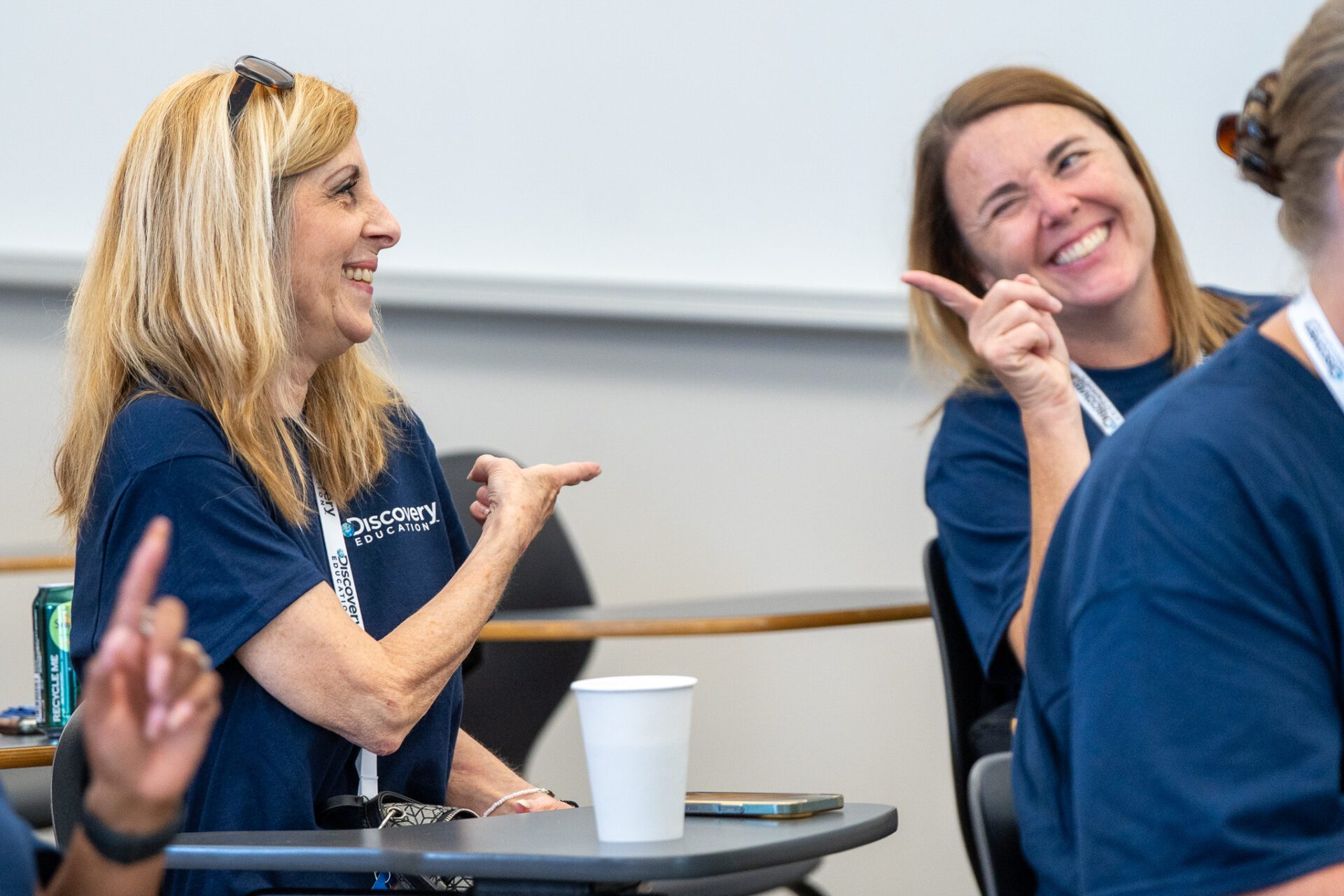
In 2005, eight educators made their way through the busy halls of the NECC Conference in Philadelphia to meet one another for the first time. What brought them together wasn’t just that they all used Discovery Education and saw its power to engage students while aligning to academic standards, but a shared spark: what could happen if we learned how to get the most out of this, together? They arrived eager and hopeful, bringing stories from their classrooms and a desire to dream bigger. At that moment the DEN (Discovery Educator Network) was born. 

Now, twenty years later, the DEN is a thriving professional learning community filled with stories, connections, and shared wisdom. To celebrate our 20th birthday, we asked DEN members to reflect on what they’ve learned through their involvement. Here are 20 lessons from 20 years in the DEN. 

DSC04842

Collaboration & Community: How DEN Members Inspire One Another 

1. “One of the most valuable insights I’ve gained from my time in the DEN is that teaching and learning are at their best when they are collaborative. Surrounding myself with passionate, like-minded educators has shown me that sharing ideas, resources, and encouragement not only elevates my own practice, but also creates a ripple effect that impacts students far beyond my own classroom.” – Carrie Willis, STEAM & Technology Director, CA 

2. “When I was first introduced to the DEN, I didn’t have a large professional cohort to rely on for new and innovative ideas. I think the network in the DEN is probably one of the things that is most impressive. You’re able to get together with these amazing, innovative, imaginative, creative, kinetic people to share the things they are most excited about.” -Rob Lamb, Teacher, MO 

3. “Fellow DEN members have inspired me to be more innovative and reflective in my teaching and leadership. Their diverse perspectives and shared passion for education encourage me to take risks, embrace new strategies, and prioritize collaboration. Through their support and ideas, I’ve grown more confident in leading change and fostering a student-centered learning environment.” -Emily Strickland, Middle School Teacher, SC 

4. “There’s nothing like having a group of educators who you can text, email, call, ask questions, get ideas, and ask for HELP if you need it.” -Wandalyn Jones, Academic Interventionist, SC

5. “Connecting educators to each other is so important, and as a librarian—there’s only one of me (in the building). So, to have other educators who I can connect with is really important. To ask, ‘How are you handling this? What can you share?’” – Lisa Wolski, Library Media Specialist, NY 

6. “I love being part of the DEN because it’s so positive and innovative. People are excited to share what they know, they’re excited to learn from one another, and they’re excited to grow and help the people around them.” Sarah Yonts, Librarian, WI 

7. “Some valuable insight I’ve learned in the DEN is that you’re never alone. There are plenty of other educators who have similar jobs to you, and Discovery gives you so many ways to connect.” -Anne Truger, Digital Learning Specialist, IL 

Empowering Educators: Building Confidence and Cultivating Leaders in the DEN 

8. “Being a member of the DEN has helped me step outside my comfort zone. I love teaching, but I’m shy when it comes to speaking in front of others. From presenting at virtual conferences to leading DEN workshops, I’m now comfortable presenting in front of others, whether it’s online or in person.” Wandalyn Jones, Academic Interventionist, SC

9. One professional challenge the DEN helped me overcome was regarding funding. I heard over and over that people were getting thousands of dollars in grants and funding, but I was getting nowhere. At a regional workshop, I attended a helpful seminar. I wrote and published my first request at that session, and it was funded by the weekend.-Mark Case, Teacher, NC

DSC03521 2

10. “I had no idea what I was capable of until the DEN showed me. I never considered myself a leader, but slowly, through the DEN, I realized that I had potential and the right personality to both lead and guide others.” Anne Truger, Digital Learning Specialist, IL

11. “One of my favorite memories from my time in the DEN was when I worked with teachers from another district in South Carolina to present a webinar to teachers across the state. It was wonderful to collaborate and to have a platform where we were able to share with others!” Laney Rogers, Instructional Technology Coach, SC 

12. “After attending my first DENSI, I truly became a different educator. I realized that my calling extends beyond teaching students and supporting teachers in my own school. The DEN has shown me that I can make a difference that reaches far beyond the walls of my school and into the wider educational community—locally, nationally, and even globally.” Carrie Willis, STEAM & Technology Director, CA 

Transforming Classrooms: How the DEN Fuels Innovation and Engagement 

13. “There are so many digital resources on Discovery Experience. Through DEN and attending DENSI, I have learned how to put them to good use. It saves so much time and aligns them with the standards.” – Shelby Kilmister, 6th Grade Science Teacher, NH 

14. “A favorite memory is when I started using the DEN’s content videos, specifically the science topics, and added them to my lessons on a regular basis. I can remember the students being more engaged and having a better ability to make connections with the content and skills.” – Lisa Gray, STEAM Specialist, PA 

15. “Collaborating with innovative educators has inspired me to design learning experiences that are more student-centered, inclusive, and engaging, especially for multilingual learners. It’s pushed me to embrace curiosity, experiment with new strategies, and model lifelong learning for my students.” – Natalia Rasavong, ESL Teacher, WI 

16. “Through the DEN, I had the opportunity to do a virtual field trip – the polar bear scientist trip via Zoom. My students got to hear from real scientists doing real work. Our class was able to ‘visit’ a place we could never take an actual field trip to. My students were able to come up with some really interesting questions for the scientists as well.” – Shawn Pashby, 4th and 5th Grade Teacher, MI 

The DEN Effect: Friendship, Innovation, and a Shared Mission to Empower Students 

17. “My favorite memory from my time in the DEN is the connections I made during collaborative sessions at DENSI 2025. [DENSI, the DEN Summer Institute, is an immersive, residential-style professional development experience for educators.] I remember sitting around a table with educators from all over the country, sharing ideas, laughing, and realizing we were all driven by the same passion—to inspire and empower our students. That mix of learning something new, testing out creative tools, and building friendships that continue beyond the event really captures the DEN spirit for me.” -Natalia Rasavong, ESL Teacher, WI 

18. “DENSI (The DEN Summer Institute) is such a fun experience for teachers. You’re going to meet friends that you’ll keep for life, and you’re going to have so many ‘aha’ moments yourself.” -Heather Willsey, Teacher & Tech Coach, MI 

DSC04360 2

19. “When I first started interacting with Discovery Education, I was about 10 years into my career and starting to feel stuck. I wasn’t burnt out, and I wasn’t doing a bad job, but I was getting to the point that I wasn’t sure if this is what I wanted to do for the next 20 years. I knew that if it felt that way to me, it would certainly start to feel that way to my students. This is when I first learned about the DEN and Discovery Education. I was lucky enough to go to their STEM Institute in 2012, where I first really started talking to people who are in the DEN. I realized very quickly that these were people I needed to be around because they injected energy into me. Whenever I interact with people from the DEN, I leave feeling invigorated and more excited about going back to the classroom to try new ideas with my students.” -Rob Lamb, Teacher, MO 

20. “Becoming a DEN member has been the best decision of my career. It’s helped me grow professionally and opened new opportunities. I’ve presented at conferences, webinars, and been encouraged to become more of a leader. It’s empowered me as a teacher. It’s been truly wonderful.” Susan Barnes, 6th Grade Science Teacher, SC 

The post 20 Lessons from 20 Years of Professional Learning with the DEN appeared first on Discovery Education.

]]>

DSC04790-Edit -1 DSC04842 DSC03521-2 DSC04360-2
Explore Mars, Anywhere: New TimePod Adventures Episodes Now Available on the Web https://www.discoveryeducation.com/blog/teaching-and-learning/explore-mars-anywhere-new-timepod-adventures-episodes-now-available-on-the-web/ Mon, 28 Jul 2025 21:20:31 +0000 https://www.discoveryeducation.com/?post_type=blog&p=195606 Discovery Education is thrilled to announce a major leap forward for TimePod Adventures – the multi-platform immersive learning series that sends students back and forward in time through story-rich, game-based adventures. Just in time for Back to School, educators and students can now access the Mars 2072 series of TimePod Adventures through web episodes on any device – no app required.  Available on Discovery Education’s new TimePod Adventures website and […]

The post Explore Mars, Anywhere: New TimePod Adventures Episodes Now Available on the Web appeared first on Discovery Education.

]]>

Discovery Education is thrilled to announce a major leap forward for TimePod Adventures – the multi-platform immersive learning series that sends students back and forward in time through story-rich, game-based adventures.

Just in time for Back to School, educators and students can now access the Mars 2072 series of TimePod Adventures through web episodes on any device – no app required. 

TimePod Hero Image

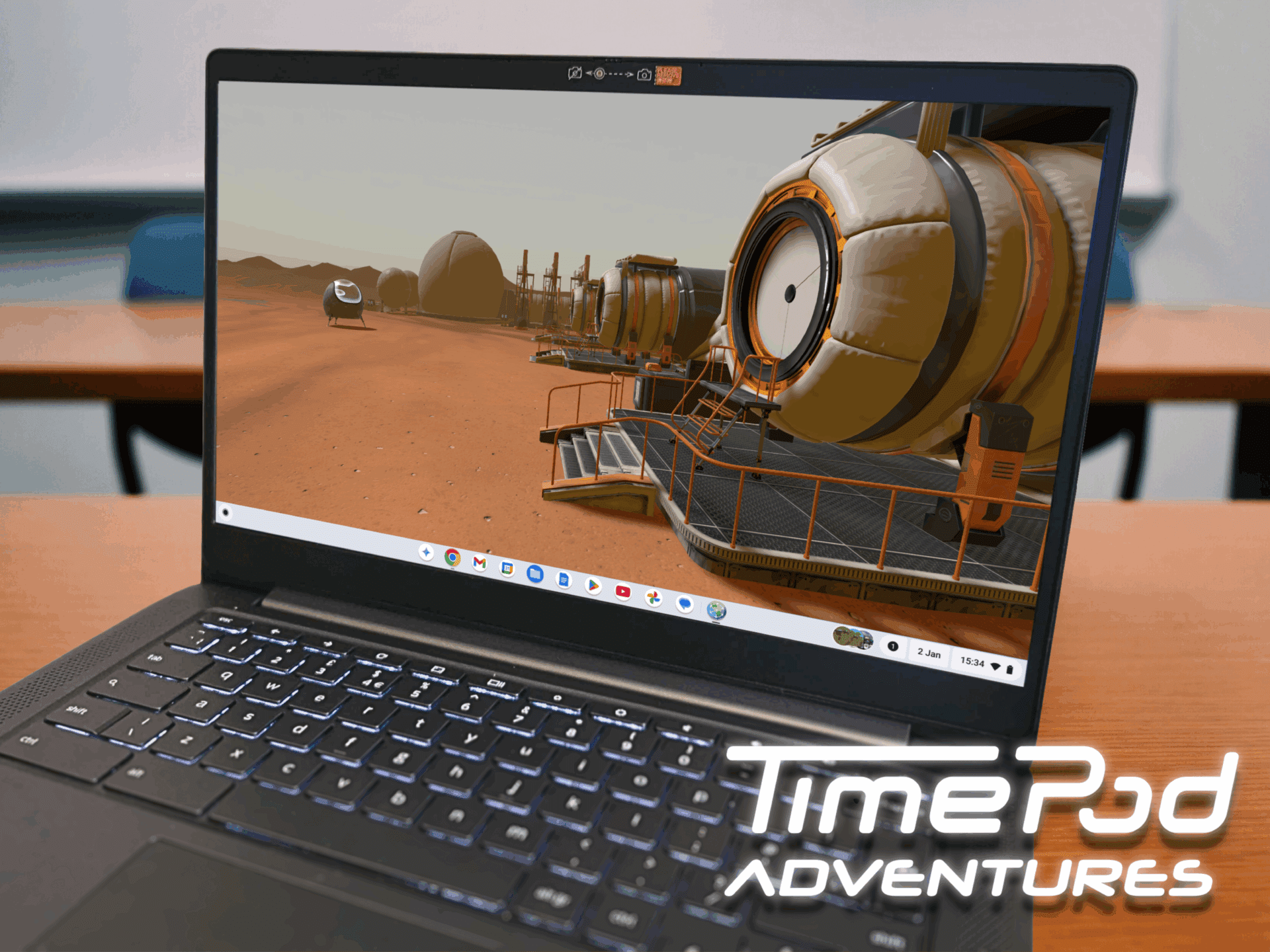
Available on Discovery Education’s new TimePod Adventures website and within the Discovery Education Experience platform, the essential companion for engaged PreK-12 classrooms, this exciting update brings the full experience of TimePod Adventures to any device with a web browser. Whether you’re using laptops, Chromebooks, tablets, or smartphones, the future of immersive learning is now just a click away. 

A New Chapter in the TimePod Journey

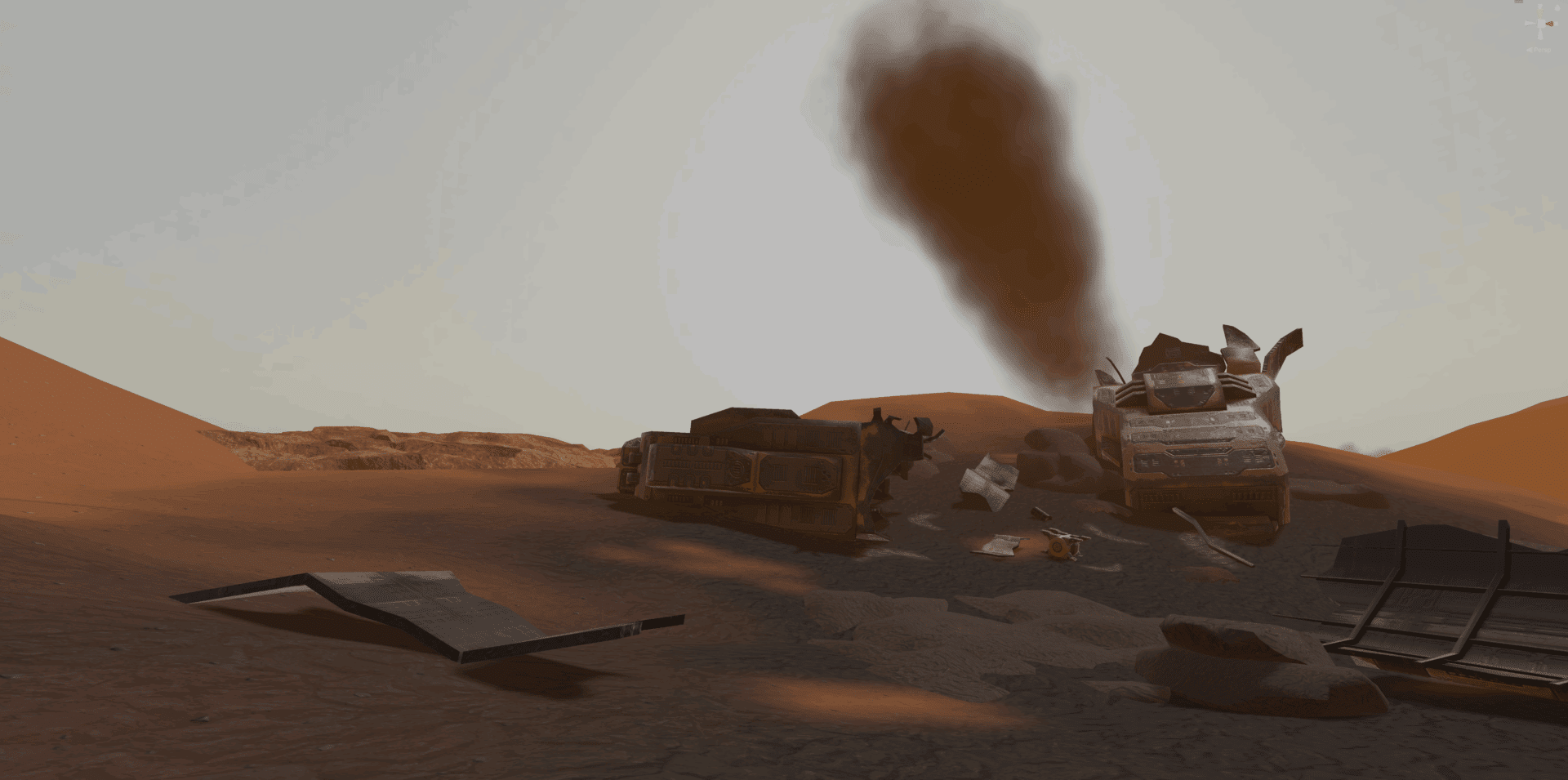
The latest release, created in partnership with Verizon, includes a web-based version of the Prologue and all three episodes of the Mars 2072 expedition, previously available only through the iOS app. These episodes follow a thrilling mission to secure water on the Red Planet and explore sustainability in space and on Earth. Each episode is approximately 10 minutes long, offering short, engaging bursts of learning that are perfect for classroom integration. Visit Verizon Innovative Learning HQ for educator support and micro-credentials relating to TimePod Adventures.

VFT3D Asset Thumbnail Large 2

Prologue  
A tutorial experience introducing students to the TimePod time machine and their virtual guide, ADA. 

Episode 1: Water Crisis  
Students investigate a water emergency on Mars and learn about water scarcity and conservation. 

Episode 2: Aquifer  
Learners repair a broken drill and uncover an underground water source through hands-on problem-solving. 

Episode 3: Heading Home  
A look at the future of the Mars colony and its sustainable practices, with reflections on Earth’s own resource challenges. 

This new trilogy of Mars episodes combines interactive gameplay with curriculum-linked learning, designed to support instruction in STEM, social studies, and Earth/space science. Each episode also builds critical thinking and problem-solving skillsno spaceship required. 

Why Web Access Matters

One of the most exciting aspects of this release is the move from app-only content to full web accessibility. This shift significantly increases classroom flexibility and equity, especially in environments where shared devices, Chromebooks, or BYOD policies are the norm. 

There’s no need to download anything or install software. Just visit DE Experience or timepod.discoveryeducation.com from your preferred device and start exploring. Students can dive into the experience from any device with an internet connection and audio output, making TimePod Adventures more accessible than ever before.

Chromebook mockup 3

The episodes are available in both English and Spanish, with fully translated audio and captions. Whether you’re teaching in a dual-language classroom or supporting multilingual learners, this added flexibility supports diverse learning needs and makes sure no student is left behind. 

Built for the Classroom, Supported by Educator Resources

Designed with educators in mind, TimePod Adventures comes with a suite of teaching materials to help you integrate these journeys into your curriculum with confidence. You’ll find: 

  • A step-by-step Educator Guide for the Prologue to help students get comfortable navigating the TimePod.
  • A comprehensive guide for the Mars 2072 series with detailed explanations, discussion prompts, and extension ideas. 
  • 12 classroom activities (four for each Mars episode) tailored to different grade bands – from K–2 up to 9–12.
Immersive Learning Explore Mars

These assets align with key curriculum standards and are perfect for sparking rich discussions about space exploration, sustainability, and ethical decision-making. 

Immersive Learning That Sticks

At its heart, TimePod Adventures is about more than just time travel. It’s about giving students agency to solve problems, explore historical and futuristic environments, and reflect on the real-world implications of their choices. 

The immersive nature of the episodes – cinematic visuals, a strong narrative voice, and interactive puzzles – makes the learning stick. Students aren’t just watching a video or reading a passage – they’re part of the story. 

When students experience the thrill of driving a Mars rover, uncovering ancient artifacts, or rewiring a broken machine, they engage deeply with scientific and social concepts. These experiences lead to meaningful conversations in the classroom and long-lasting understanding beyond it. 

Ready to Launch

The new TimePod Adventures content is live and ready to explore at timepod.discoveryeducation.com. Whether you’re using it to introduce environmental science, launch a unit on Mars, or enrich your technology curriculum, this tool gives students the chance to explore, analyze, and create meaning from immersive experiences. 

No subscriptions. No logins. No installs. Just incredible, standards-aligned learning – ready whenever you are. 

Screenshot 2025 06 17 at 09 00 33

Ready to Start Your Mission?​

Visit https://timepod.discoveryeducation.com or Discovery Education Experience to play the new episodes, download classroom guides, and bring immersive STEM learning to your students.

The post Explore Mars, Anywhere: New TimePod Adventures Episodes Now Available on the Web appeared first on Discovery Education.

]]>

TimePod Hero Image VFT3D Asset Thumbnail Large -2 Chromebook mockup -3 Immersive Learning Explore Mars Generic Decorative -2 Screenshot 2025-06-17 at 09-00-33
3 Ways Adaptive Learning Supports Foundational Math and Reading for Elementary Students https://www.discoveryeducation.com/blog/teaching-and-learning/adaptive-learning-supports-foundational-math-and-reading/ Fri, 11 Jul 2025 17:38:38 +0000 https://www.discoveryeducation.com/?post_type=blog&p=193626 Every student deserves to feel seen, supported, and capable of success, but in today’s classrooms, that’s easier said than done. With wide-ranging skill levels across math and reading curriculum, learning gaps, and growing demands on teacher time, it’s hard to give every learner what they need, when they need it. That’s where interactive learning platforms […]

The post 3 Ways Adaptive Learning Supports Foundational Math and Reading for Elementary Students appeared first on Discovery Education.

]]>
Every student deserves to feel seen, supported, and capable of success, but in today’s classrooms, that’s easier said than done. With wide-ranging skill levels across math and reading curriculum, learning gaps, and growing demands on teacher time, it’s hard to give every learner what they need, when they need it. That’s where interactive learning platforms with adaptive technology can play a vital role. 

what does curiosity look like png

1. Adaptive Learning Solutions Fill Skill Gaps and Prevent Learning Loss​

Learning is cumulative, and small skill gaps can become major roadblocks if left unaddressed. Adaptive programs can identify missed concepts early, sometimes before a teacher even sees them, and automatically provide targeted practice or revisit foundational concepts. 

The How: Continuously Detect, Assess, and Target  
Adaptive learning programs work behind the scenes to detect when a student is struggling. The programs don’t wait for formal, summative assessment to intervene. Instead, programs like DreamBox Math and DreamBox Reading use continuous formative assessments to analyze patterns like repeated errors, hesitation, and inefficient strategies. The programs then respond instantly to offer support the moment a student needs it, without disrupting a student’s learning momentum. At the same time, these programs capture student progress and provide data-rich reports that offer educators actionable insights, enabling them to differentiate instruction, target small-group work, and make informed decisions that deepen student learning. 

Why it Matters

Catching learning gaps early keeps students on track and prevents them from falling behind. This proactive, just-in-time support is especially effective in addressing unfinished learning and avoiding costly remediation. 

Fast Fact

Many educators already know how impactful adaptive instruction can be, in fact 93% of teachers believe that adaptive learning would help students learn more effectively.

2. Meet Students Where They Are Whether Behind or Ahead of Grade Level​

Adaptive learning platforms don’t just deliver digital content. They respond in real time to how each student learns, creating personalized virtual learning experiences that boost confidence, fill knowledge gaps, and help every student grow, at their own pace, and in their own way. 

The How: Track, Analyze, Adjust in Real Time
Adaptive programs track more than just right or wrong answers, they continuously analyze how students solve problelms, how long they take, and where they hesitate. Based on this data, programs like DreamBox Math and DreamBox Reading adjust instruction in real time, tailoring the content, pacing, and scaffolding in real time.

Why it Matters

Adaptive learning solutions help create the Zone of Proximal Development, the space where learning is most effective because it’s just beyond what a student can do independently, but still within reach.

Fast Fact

Did you know that about three quarters of students say that learning at their own pace would increase the likelihood of engaging in lessons, feeling empowered in school, and feeling more prepared for the future?

3. Adaptive Learning Builds Growth Mindset and Confidence

A growth mindset is essential for learning. Adaptive learning technology reinforces this by helping students connect effort with progress. As they receive feedback and independently overcome challenges, they gain confidence that their abilities can grow with practice.

The How: Encourage Exploration, Productive Struggle, and Independence
DreamBox Math and Reading lessons are designed to support agency and progress through independent exploration and productive struggle. This type of adaptive technology offers hints and scaffolds only when necessary, allowing students to learn and grow by trying things, making mistakes, and seeing what works. As students successfully solve problems on their own, they build confidence and become more willing to take on new challenges.

Why it Matters

Students who believe they can figure things out are more likely to stay engaged, take academic risks, and develop lifelong learning habits.In this space of productive struggle, students stay motivated and make progress, challenged by content that’s appropriately difficult, not too easy, and not overwhelming.

Fast Fact

Recent research found that 94% of superintendents believe that personalized learning solutions that leverage adaptive technology to customize instruction to each student’s skills, preferences, and interests, can effectively boost student confidence.

Create Student-Centered Learning Environments with Adaptive Learning

Adaptivity isn’t just about technologyIt’s about creating responsive, student-centered classrooms. By choosing adaptive learning tools like DreamBox Math and Reading, educatorcan support every learner, close skill gaps, and build the confidence students need to succeed, now and in the future.

Ready to learn more about adaptivity?

The post 3 Ways Adaptive Learning Supports Foundational Math and Reading for Elementary Students appeared first on Discovery Education.

]]>
what-does-curiosity-look-like.png
This Month at DE: May https://www.discoveryeducation.com/blog/teaching-and-learning/this-month-at-de-may/ Wed, 30 Apr 2025 01:58:25 +0000 https://www.discoveryeducation.com/?post_type=blog&p=189867 May is here and the end of school is just around the corner. While your students may have one foot out the door, keep them engaged until the last day with these fresh teaching ideas and timely content!  Pop of PL What’s New Trending Topics Magic Moment Pop of Professional Learning Literacy is a key […]

The post This Month at DE: May appeared first on Discovery Education.

]]>

May is here and the end of school is just around the corner. While your students may have one foot out the door, keep them engaged until the last day with these fresh teaching ideas and timely content! 

Pop of Professional Learning

Literacy is a key predictor of student success and essential across subjects, from reading lab instructions to solving word problems. Since reading combines language comprehension and word recognition, practicing literacy skills helps students develop these abilities beyond their ELA classes. Try these Top 10 SOS Instructional Strategies, which focus on building background knowledge, strengthening comprehension, and enhancing disciplinary vocabulary.

Timely Moments

Check out popular resources in Discovery Education Experience to keep student engaged with timely moments in May—right up until the last bell rings before summer! 

My Digital Life

Nine out of ten tweens use social media and gaming apps! As summer approaches, help equip your students with the skills to recognize and avoid irresponsible online behaviors through an engaging animated video series. This series, created in partnership with Norton, emphasizes the importance of making responsible decisions in our digital lives.

Operation Prevention

Grades 6-12

In honor of Take Back Day that was recently held on April 26 and organized by the DEA, we invite you to visit the Operation Prevention ChannelThere, you’ll find valuable resources, including hands-on investigations where students delve into the science behind substance misuse and its effects on the brain and body.

Ask, Listen, Learn

Grades 3-8

Created in partnership with Responsbility.org, the newly updated Ask, Listen, Learn Channel offers resources designed to uncover the science behind how alcohol affects developing brains, bodies, and behavior—empowering students to make impactful decisions on their health.

Magic Moment

As the school year winds down, many K-12 classes have taken all kinds of field trips to museums, plays, parks, and more. And there’s still time to visit new places with Discovery Education’s Virtual Field Trips! Not sure how to incorporate them into your classroom time? Check out this recent blog Elevating Learning: Instructional Strategies for Engaging Virtual Field Trips.

Explore More Engaging Resources from Discovery Education

The post This Month at DE: May appeared first on Discovery Education.

]]>

DE-PR-Students-Teachers-2024-08 Norton-MDL-PR Image operationprevention-1 tmade-april-2-AskListenLearn classroom-community-blog-tile-tmade.jpg
Storytelling in 3D: Bringing Narrative Learning to Life  https://www.discoveryeducation.com/blog/teaching-and-learning/storytelling-in-3d-bringing-narrative-learning-to-life/ Tue, 29 Apr 2025 21:13:59 +0000 https://www.discoveryeducation.com/?post_type=blog&p=189722 Storytelling has long been a cornerstone of effective teaching. From ancient oral traditions to modern digital narratives, stories provide a natural way for students to connect with information, making learning more engaging and memorable. Research has shown that narrative-driven instruction enhances comprehension, fosters critical thinking, and improves information retention. But why is storytelling so powerful […]

The post Storytelling in 3D: Bringing Narrative Learning to Life  appeared first on Discovery Education.

]]>

Storytelling has long been a cornerstone of effective teaching. From ancient oral traditions to modern digital narratives, stories provide a natural way for students to connect with information, making learning more engaging and memorable. Research has shown that narrative-driven instruction enhances comprehension, fosters critical thinking, and improves information retention. But why is storytelling so powerful in the classroom, and how can educators harness 3D technology to amplify its impact? 

The Power of Narrative in Learning

Stories captivate us because they provide context and meaning. When students encounter facts in isolation, they may struggle to see their relevance, but when those same facts are embedded within a narrative, they become part of a journey. Immersive storytelling deepens this connection further by placing students inside the narrative itself. When learners actively engage in a story—rather than passively absorbing information—they experience emotions, make decisions, and develop empathy. 

Immersive learning principles explain that engaging, interactive narratives improve understanding by making lessons feel personal. When students see themselves as part of a story, they become more invested in the material. This is particularly true in subjects like history, literature, and science, where students can step into different perspectives and visualize abstract concepts in context. But traditional storytelling methods have limitations—textbooks, images, and even videos can only take students so far. 

Transforming Storytelling with 3D Model Building in Sandbox

3D technology, like that available in Sandbox, revolutionizes narrative learning by enabling students to build and interact with their own immersive worlds. Instead of simply reading about a historical event, they can reconstruct it. Instead of watching a documentary, they can create their own. This shift—from passive learning to active creation—transforms students into storytellers, not just content consumers. 

Imagine a lesson on Ancient Egyptian temple design. Traditionally, students might read about the grandeur of Karnak or watch a video explaining its significance. While these methods convey information, they lack personal engagement. Now, picture students using Sandbox to build their own Ancient Egyptian narrative.

They begin by constructing a temple, carefully placing columns, statues, and hieroglyphs, making decisions based on historical research. As they create, they consider not just the architecture, but the story behind it—who would have built this temple? Why was it significant? What ceremonies took place here? Perhaps they narrate a scene where a young Egyptian scribe enters the temple to witness a grand festival. In crafting this scene, they must apply knowledge of religious customs, social hierarchies, and artistic styles. They aren’t just learning history; they are stepping inside it. 

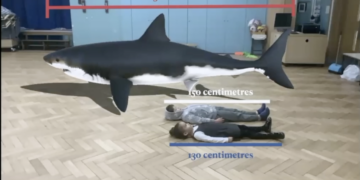
Then comes the true power of technology like Sandbox. Using life-sized AR, students can stand beside their creations, experiencing scale and texture in ways that static images cannot provide. A towering obelisk feels imposing when you see it at full height. The intricate carvings on temple walls evoke the pride and craftsmanship of their creators. This sensory engagement helps students internalize not just the facts, but the deeper significance of these structures.

Case Study: The Second World War

In a perfect example of the impact of this approach, Lawford School in Essex used Sandbox to bring WWII history to life through student-created narratives. Instead of just studying the Blitz, students built 3D environments and crafted immersive stories. 

Using Sandbox’s green screen feature, students created news reports interviewing virtual civilians about bombings and first-person videos experiencing an air raid inside an Anderson Shelter. These narratives gave students a personal connection to history, fostering empathy and deeper understanding. 

Teachers reported increased engagement, collaboration, and critical thinking. The project showcased how 3D storytelling transforms history lessons into immersive, memorable experiences.

Screenshot

Empowering Students Through Narrative Creation

Beyond history, this approach can apply to literature, science, social studies, and many more topics. Students can build interactive stories around fictional worlds, model the evolution of a species over time, or create a digital museum showcasing artifacts from a period they’ve researched. The possibilities are endless, but the key takeaway is the same—when students create stories in 3D, they move beyond memorization to deep, meaningful understanding. 

As educators, embracing technology like Sandbox allows us to cultivate critical thinking, creativity, and engagement in ways traditional methods cannot. When students don’t just read history, but build it—when they don’t just hear about cultures, but step into them—their learning becomes an experience, not just a lesson. In the age of digital learning, 3D storytelling is the bridge between education and imagination, giving students the power to bring narratives to life.

Sandbox is now Available for Chromebook

The award-winning Sandbox app has landed on the Google Play Store for Chromebook devices, bringing immersive learning to even more classrooms! 

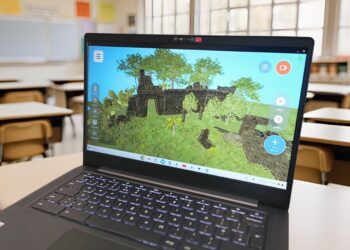
The Chromebook version matches the beloved features of Sandbox: students can create stages, use a vast library of 3D models, explore pre-made scenes, and share their creations between devices. In Sandbox for Chromebook, students shrink themselves down into their scenes and explore them in an interactive, video-game style using a keyboard and mouse. 

Designed for access and equity, Sandbox for Chromebook is helping us work towards every student experiencing hands-on immersive learning and exploring the universe from inside their classroom. 

Untitled design 3

See How Sandbox Can Bring Storytelling to Life

The post Storytelling in 3D: Bringing Narrative Learning to Life  appeared first on Discovery Education.

]]>
Screenshot Screenshot Untitled design – 3 Picture of Hannah McNaughton-Hussain
Elevating Learning: Instructional Strategies for Engaging Virtual Field Trips https://www.discoveryeducation.com/blog/teaching-and-learning/instructional-strategies-for-virtual-field-trips/ Fri, 25 Apr 2025 19:43:03 +0000 https://www.discoveryeducation.com/?post_type=blog&p=189737 Virtual field trips are a game-changer in education, offering exclusive behind-the-scenes experiences that transcend classroom walls. With the latest Virtual Field Trips from Discovery Education, teachers can lean on these effective instructional strategies to bring these exciting experiences into their classrooms, sparking curiosity and deepening understanding across grade bands. Inquiry-Based Learning Hands-On STEM Learning Cross-Curricular […]

The post Elevating Learning: Instructional Strategies for Engaging Virtual Field Trips appeared first on Discovery Education.

]]>

Virtual field trips are a game-changer in education, offering exclusive behind-the-scenes experiences that transcend classroom walls. With the latest Virtual Field Trips from Discovery Education, teachers can lean on these effective instructional strategies to bring these exciting experiences into their classrooms, sparking curiosity and deepening understanding across grade bands.

The Superpower of Story: A Virtual Field Trip to Warner Bros. Studios  

Students in grades 6-12 thrive on exploration and critical thinking. An inquiry-based approach will allow students to analyze the role of storytelling in entertainment, questioning how narratives are crafted and why they resonate.

Implementation 

  • Before the field trip, introduce essential questions like: What makes a story compelling? How do filmmakers use visual and narrative techniques to shape emotions? 
  • During the video, have students take notes on key storytelling elements and industry insights. 
  • Post-trip, facilitate a Socratic Seminar or a project-based activity where students develop their own short scripts or visual storyboards, applying the techniques they learned.

This strategy fosters critical thinking, creative expression, and essential analytical skills across disciplines.

Meet the Magnets: A Virtual Field Trip to the NSF Mag Lab​

Students in grades K-5 grasp STEM concepts best through active, tactile experiences, and magnets provide an exciting way to explore forces and interactions with hands-on learning.

Implementation 

  • Before the video, introduce magnets through simple investigations like testing attraction and repulsion with household items. 
  • During the video, encourage students to record observations by sketching and describing experiments they see at the NSF Mag Lab. 
  • Afterward, engage in interactive STEM centers, allowing students to build magnet mazes, test electromagnetic properties, or create models demonstrating real-world applications of magnetism. 

This strategy builds foundational science inquiry skills and aligns with early STEM learning standards. 

Total Health: A Virtual Field Trip with NBA and WNBA

Students in grades 3-8 benefit from integrated learning experiences that connect physical wellness with broader academic content. 

Implementation 

  • Start by exploring the science of movement with lessons on heart rate, nutrition, and the impact of exercise. 
  • During the video, students can track key takeaways using a graphic organizer focused on nutrition, fitness, and mental health strategies. 
  • Post-video, incorporate an interdisciplinary project where students design their own health and wellness action plans based on insights from professional athletes. 

This approach strengthens connections between science, physical education, and real-world decision-making. 

With inquiry-based exploration, hands-on STEM activities, and interdisciplinary wellness strategies, educators can turn these virtual field trips into transformative learning experiences. Whether students are immersed in storytelling, experimenting with magnets, or developing healthier habits, each virtual field trip offers an opportunity for deep engagement and meaningful connections.

Which strategy are you most excited to implement? Let’s make these field trips unforgettable! 

Explore More Virtual Field Trips from Discovery Education!

For DE Educators, access the Virtual Field Trips Channel in Experience. Not a DE user? No problem! You can access all Virtual Field Trips on DiscoveryEducation.com.

The post Elevating Learning: Instructional Strategies for Engaging Virtual Field Trips appeared first on Discovery Education.

]]>
Question Icon Lined Space svg Atom Lined Space 48h png Globe Lined Space 48h png
Measuring Engagement: Tools to Capture Learning Evidence with Sandbox https://www.discoveryeducation.com/blog/teaching-and-learning/measuring-engagement-tools-to-capture-learning-evidence-with-sandbox/ Mon, 07 Apr 2025 19:34:31 +0000 https://www.discoveryeducation.com/?post_type=blog&p=183933 What is Sandbox? Sandbox is an immersive learning tool that transports students to different times and places, helping them emotionally connect with the material they are exploring. This interactive approach leads to better knowledge retention and long-term interest in a topic. Students can choose from hundreds of 3D models—exploring ancient Greece, driving the Mars rover, […]

The post Measuring Engagement: Tools to Capture Learning Evidence with Sandbox appeared first on Discovery Education.

]]>

What is Sandbox?

Sandbox is an immersive learning tool that transports students to different times and places, helping them emotionally connect with the material they are exploring. This interactive approach leads to better knowledge retention and long-term interest in a topic.

Sandbox AR factory jpg

Students can choose from hundreds of 3D models—exploring ancient Greece, driving the Mars rover, diving into ocean depths, or celebrating cultural events like Lunar New Year. Within Sandbox, students can build, explore, and record their learning, making abstract concepts tangible. To enhance the learning experience further, teachers can access classroom activities, instructional videos, and guides in Discovery Education Experience.

But engagement alone isn’t enough. 

While engagement is a crucial first step, it is only meaningful if learning can be measured. Teachers need evidence of student progress, just as they would with traditional lessons. The challenge lies in how to assess and document learning within an immersive environment like Sandbox.

How to Measure Learning in Immersive Experiences

Think of immersive learning in the same way you would approach field trips, lab experiments, or creative projects. The experience itself is engaging, but structured assessment ensures students absorb and apply what they’ve learned. Here are some effective ways to measure understanding:

  • Reflection Activities: After using Sandbox, students can write journal entries, reflections, or exit tickets describing what they built and what they learned.
  • Guided Questioning: Teachers can ask open-ended questions about student creations, encouraging them to articulate their learning process and justify design choices.
  • Comparative Analysis: Students can compare their Sandbox scene with historical accounts, scientific models, or artistic interpretations, demonstrating their understanding of accuracy and representation.
  • Peer Reviews & Discussios: Classmates can review each other’s work, providing constructive feedback and discussing different approaches to the same problem.
  • Concept Mapping: Have students create a concept map or diagram explaining how their Sandbox creation connects to broader topics or real-world applications.

Recording Learning Within Sandbox

Beyond measuring learning, teachers also need efficient ways to capture and document student work. Fortunately, Sandbox provides built-in tools for students to document and share their learning:

  • Screenshots: Students can take photos of their 3D work from any angle, then share, print, or save them for reference.
  • Video Recordings (iPads only): In Sandbox AR, students can record a video of themselves navigating their scene while narrating their design choices or roleplaying historical figures.
  • Text Panels: This tool allows students to place text labels within their 3D space, annotating their work before taking a screenshot.
  • Share Feature: The most powerful tool for documentation—students can generate a unique access code to share their work with teachers for later review.

The Share Feature: A Teacher's Best Friend

Manually collecting and reviewing every student’s device would be impractical, but Sandbox’s Share feature streamlines this process. Here’s how teachers can efficiently gather and review student projects:

  1. Students save their work: Before sharing, students should use the Rename tool to give their project a meaningful title, ideally including their own name.
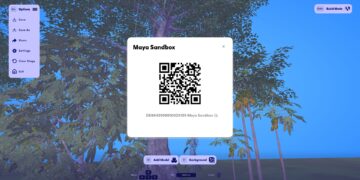
  2. Generate a share code: From the Options menu, students select Share, which generates a QR code and an alphanumeric access code.
  3. Teachers collect projects efficiently:
    • If using an iPad, the teacher can open Sandbox AR, tap Load from QR, and scan each student’s QR code. The projects will then appear in Recent Sandboxes on the teacher’s device.
    • If using Chromebook, students can write down or send their access codes, allowing the teacher to retrieve them later from a single device.

Get Started

Engagement is the key to unlocking deeper learning, but without meaningful assessment, its impact remains unseen. With Sandbox, teachers have a robust suite of tools to not only captivate students but also collect tangible evidence of their learning. By integrating screenshots, videos, text panels, and the Share feature into their lessons, educators can ensure that immersive learning experiences are fun, measurable, and impactful.

Sandbox is Now Available for Chromebook!

The award-winning Sandbox app has landed on the Google Play Store for Chromebook devices, bringing immersive learning to even more classrooms!

The Chromebook version matches the beloved features of Sandbox: students can create stages, use a vast library of 3D models, explore pre-made scenes, and share their creations between devices. In Sandbox for Chromebook, students shrink themselves down into their scenes and explore them in an interactive, video-game style using a keyboard and mouse. 

Designed for access and equity, Sandbox for Chromebook is helping us work towards every student experiencing hands-on immersive learning and exploring the universe from inside their classroom.

Learn More about Sandbox in the Classroom!

The post Measuring Engagement: Tools to Capture Learning Evidence with Sandbox appeared first on Discovery Education.

]]>
Sandbox-AR_factory.jpg