DEN | Discovery Education Nurture Curiosity Mon, 22 Sep 2025 19:12:31 +0000 en-US hourly 1 https://wordpress.org/?v=6.8.3 20 Lessons from 20 Years of Professional Learning with the DEN https://www.discoveryeducation.com/blog/de-news/20-lessons-from-20-years-of-professional-learning-with-the-den/ Tue, 16 Sep 2025 14:51:02 +0000 https://www.discoveryeducation.com/?post_type=blog&p=198979 In 2005, eight educators made their way through the busy halls of the NECC Conference in Philadelphia to meet one another for the first time. What brought them together wasn’t just that they all used Discovery Education and saw its power to engage students while aligning to academic standards, but a shared spark: what could […]

The post 20 Lessons from 20 Years of Professional Learning with the DEN appeared first on Discovery Education.

]]>
DSC04790 Edit 1

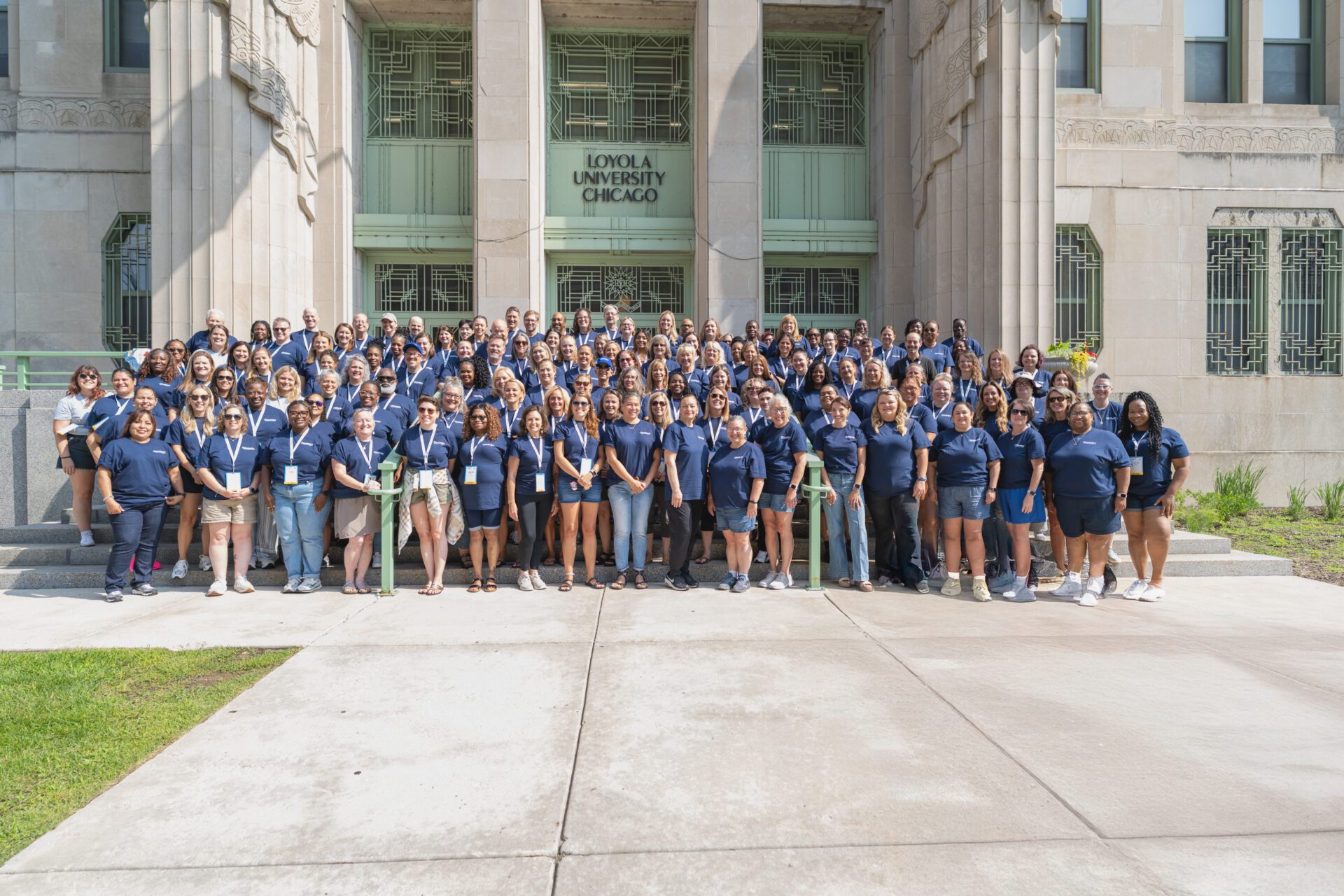
In 2005, eight educators made their way through the busy halls of the NECC Conference in Philadelphia to meet one another for the first time. What brought them together wasn’t just that they all used Discovery Education and saw its power to engage students while aligning to academic standards, but a shared spark: what could happen if we learned how to get the most out of this, together? They arrived eager and hopeful, bringing stories from their classrooms and a desire to dream bigger. At that moment the DEN (Discovery Educator Network) was born. 

Now, twenty years later, the DEN is a thriving professional learning community filled with stories, connections, and shared wisdom. To celebrate our 20th birthday, we asked DEN members to reflect on what they’ve learned through their involvement. Here are 20 lessons from 20 years in the DEN. 

DSC04842

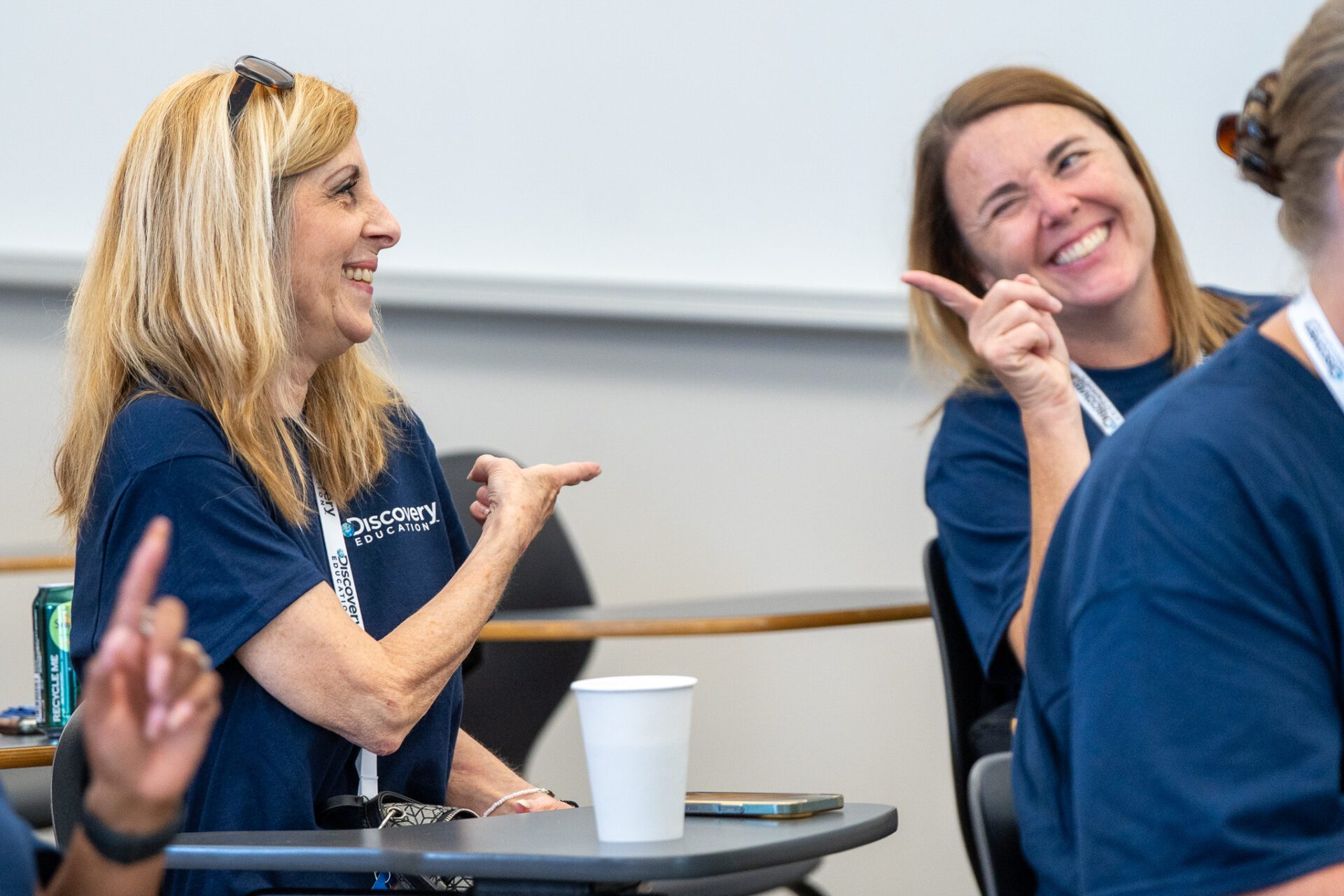
Collaboration & Community: How DEN Members Inspire One Another 

1. “One of the most valuable insights I’ve gained from my time in the DEN is that teaching and learning are at their best when they are collaborative. Surrounding myself with passionate, like-minded educators has shown me that sharing ideas, resources, and encouragement not only elevates my own practice, but also creates a ripple effect that impacts students far beyond my own classroom.” – Carrie Willis, STEAM & Technology Director, CA 

2. “When I was first introduced to the DEN, I didn’t have a large professional cohort to rely on for new and innovative ideas. I think the network in the DEN is probably one of the things that is most impressive. You’re able to get together with these amazing, innovative, imaginative, creative, kinetic people to share the things they are most excited about.” -Rob Lamb, Teacher, MO 

3. “Fellow DEN members have inspired me to be more innovative and reflective in my teaching and leadership. Their diverse perspectives and shared passion for education encourage me to take risks, embrace new strategies, and prioritize collaboration. Through their support and ideas, I’ve grown more confident in leading change and fostering a student-centered learning environment.” -Emily Strickland, Middle School Teacher, SC 

4. “There’s nothing like having a group of educators who you can text, email, call, ask questions, get ideas, and ask for HELP if you need it.” -Wandalyn Jones, Academic Interventionist, SC

5. “Connecting educators to each other is so important, and as a librarian—there’s only one of me (in the building). So, to have other educators who I can connect with is really important. To ask, ‘How are you handling this? What can you share?’” – Lisa Wolski, Library Media Specialist, NY 

6. “I love being part of the DEN because it’s so positive and innovative. People are excited to share what they know, they’re excited to learn from one another, and they’re excited to grow and help the people around them.” Sarah Yonts, Librarian, WI 

7. “Some valuable insight I’ve learned in the DEN is that you’re never alone. There are plenty of other educators who have similar jobs to you, and Discovery gives you so many ways to connect.” -Anne Truger, Digital Learning Specialist, IL 

Empowering Educators: Building Confidence and Cultivating Leaders in the DEN 

8. “Being a member of the DEN has helped me step outside my comfort zone. I love teaching, but I’m shy when it comes to speaking in front of others. From presenting at virtual conferences to leading DEN workshops, I’m now comfortable presenting in front of others, whether it’s online or in person.” Wandalyn Jones, Academic Interventionist, SC

9. One professional challenge the DEN helped me overcome was regarding funding. I heard over and over that people were getting thousands of dollars in grants and funding, but I was getting nowhere. At a regional workshop, I attended a helpful seminar. I wrote and published my first request at that session, and it was funded by the weekend.-Mark Case, Teacher, NC

DSC03521 2

10. “I had no idea what I was capable of until the DEN showed me. I never considered myself a leader, but slowly, through the DEN, I realized that I had potential and the right personality to both lead and guide others.” Anne Truger, Digital Learning Specialist, IL

11. “One of my favorite memories from my time in the DEN was when I worked with teachers from another district in South Carolina to present a webinar to teachers across the state. It was wonderful to collaborate and to have a platform where we were able to share with others!” Laney Rogers, Instructional Technology Coach, SC 

12. “After attending my first DENSI, I truly became a different educator. I realized that my calling extends beyond teaching students and supporting teachers in my own school. The DEN has shown me that I can make a difference that reaches far beyond the walls of my school and into the wider educational community—locally, nationally, and even globally.” Carrie Willis, STEAM & Technology Director, CA 

Transforming Classrooms: How the DEN Fuels Innovation and Engagement 

13. “There are so many digital resources on Discovery Experience. Through DEN and attending DENSI, I have learned how to put them to good use. It saves so much time and aligns them with the standards.” – Shelby Kilmister, 6th Grade Science Teacher, NH 

14. “A favorite memory is when I started using the DEN’s content videos, specifically the science topics, and added them to my lessons on a regular basis. I can remember the students being more engaged and having a better ability to make connections with the content and skills.” – Lisa Gray, STEAM Specialist, PA 

15. “Collaborating with innovative educators has inspired me to design learning experiences that are more student-centered, inclusive, and engaging, especially for multilingual learners. It’s pushed me to embrace curiosity, experiment with new strategies, and model lifelong learning for my students.” – Natalia Rasavong, ESL Teacher, WI 

16. “Through the DEN, I had the opportunity to do a virtual field trip – the polar bear scientist trip via Zoom. My students got to hear from real scientists doing real work. Our class was able to ‘visit’ a place we could never take an actual field trip to. My students were able to come up with some really interesting questions for the scientists as well.” – Shawn Pashby, 4th and 5th Grade Teacher, MI 

The DEN Effect: Friendship, Innovation, and a Shared Mission to Empower Students 

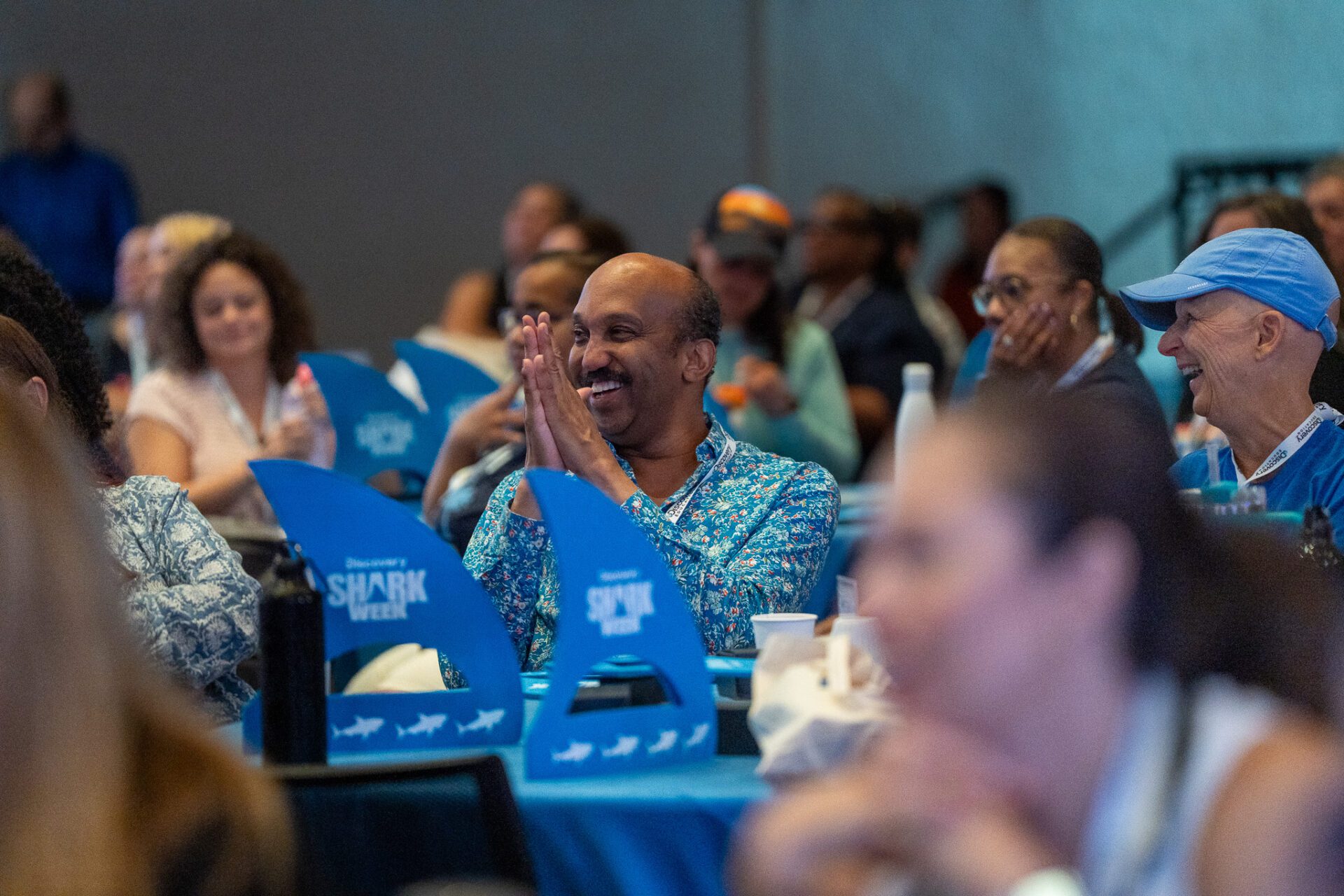
17. “My favorite memory from my time in the DEN is the connections I made during collaborative sessions at DENSI 2025. [DENSI, the DEN Summer Institute, is an immersive, residential-style professional development experience for educators.] I remember sitting around a table with educators from all over the country, sharing ideas, laughing, and realizing we were all driven by the same passion—to inspire and empower our students. That mix of learning something new, testing out creative tools, and building friendships that continue beyond the event really captures the DEN spirit for me.” -Natalia Rasavong, ESL Teacher, WI 

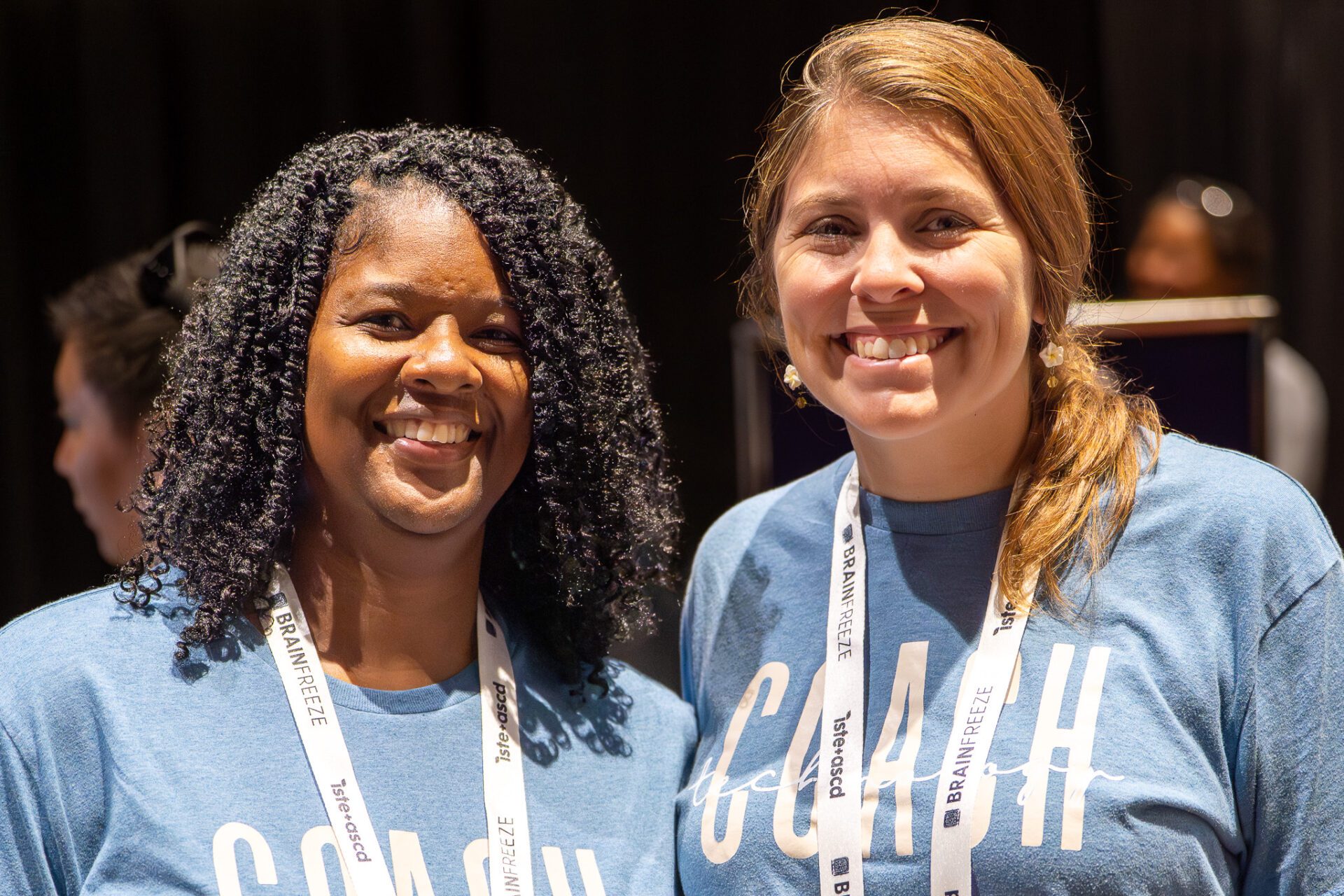
18. “DENSI (The DEN Summer Institute) is such a fun experience for teachers. You’re going to meet friends that you’ll keep for life, and you’re going to have so many ‘aha’ moments yourself.” -Heather Willsey, Teacher & Tech Coach, MI 

DSC04360 2

19. “When I first started interacting with Discovery Education, I was about 10 years into my career and starting to feel stuck. I wasn’t burnt out, and I wasn’t doing a bad job, but I was getting to the point that I wasn’t sure if this is what I wanted to do for the next 20 years. I knew that if it felt that way to me, it would certainly start to feel that way to my students. This is when I first learned about the DEN and Discovery Education. I was lucky enough to go to their STEM Institute in 2012, where I first really started talking to people who are in the DEN. I realized very quickly that these were people I needed to be around because they injected energy into me. Whenever I interact with people from the DEN, I leave feeling invigorated and more excited about going back to the classroom to try new ideas with my students.” -Rob Lamb, Teacher, MO 

20. “Becoming a DEN member has been the best decision of my career. It’s helped me grow professionally and opened new opportunities. I’ve presented at conferences, webinars, and been encouraged to become more of a leader. It’s empowered me as a teacher. It’s been truly wonderful.” Susan Barnes, 6th Grade Science Teacher, SC 

The post 20 Lessons from 20 Years of Professional Learning with the DEN appeared first on Discovery Education.

]]>
DSC04790-Edit -1 DSC04842 DSC03521-2 DSC04360-2
Celebrating Educator Excellence with the Discovery Education Award Recipients of 2025 https://www.discoveryeducation.com/blog/de-news/discovery-education-awards-2025/ Mon, 05 May 2025 10:00:00 +0000 https://www.discoveryeducation.com/?post_type=blog&p=189935 The Discovery Education Awards honor districts, schools, and educators who make a notable impact on student achievement by inspiring engagement and curiosity. Selected through a competitive nomination and application process, the 2025 winners exemplify a commitment to fostering student growth for a dynamic future. 2025 Educators of the Year The DE Educator of the Year […]

The post Celebrating Educator Excellence with the Discovery Education Award Recipients of 2025 appeared first on Discovery Education.

]]>
The Discovery Education Awards honor districts, schools, and educators who make a notable impact on student achievement by inspiring engagement and curiosity. Selected through a competitive nomination and application process, the 2025 winners exemplify a commitment to fostering student growth for a dynamic future.

2025 Educators of the Year

The DE Educator of the Year Award winners share a remarkable passion for inspiring their students and creating engaging learning environments. Though their teaching methods vary, they all demonstrate a strong commitment to innovation and adaptability as they mentor peers, develop impactful programs, and champion lifelong learning. 

Dr. Sequoyah Wharton, Brentwood High School, Brentwood Union Free School District, New York

Dr. Sequoyah Wharton is an art and media educator who believes in creating student-centered learning that connects to real-world issues, inspiring collaboration, critical thinking, and cultural awareness. Through projects like documentary filmmaking, digital storytelling, and hands-on artwork, he empowers students to tell their own stories. 

Over the years, Dr. Wharton has refined his teaching philosophy to prioritize student agency, ensuring every learner feels seen and valued. A standout achievement is the development of a digital filmmaking program in partnership with PBS Student Reporting Labs, which has amplified student voices and strengthened media literacy.  

Dr. Wharton cultivates a collaborative learning environment by building strong connections with students and families. For him, teaching is not just delivering content — it’s empowering students to express their identities and leave a lasting impact on the world around them. 

Emma DeVine, St. Andrew’s Episcopal School, Austin, Texas

Emma DeVine is a middle school science teacher dedicated to showing students the everyday relevance of science. Emma uses hands-on experiments, inquiry-based learning, and the Harkness discussion method to foster curiosity and real-world connections. By weaving storytelling into lessons, Emma celebrates unsung scientists, fostering diverse perspectives and inspiring students to see themselves as part of the scientific community. 

She has crafted unique learning experiences, such as guiding students through neuroscience research by experimenting with fruit flies to study feeding behaviors. Emma has also led impactful initiatives like citizen science events and developing curricula as a CDC Science Ambassador Fellow, providing students with meaningful opportunities to address real-world challenges. 

Emma cultivates positive relationships with students and their families through open communication and encouragement. Viewing challenges as opportunities for growth, she continually refines her teaching strategies to meet the diverse needs of her students. Emma’s teaching inspires the next generation of changemakers to approach science with critical thinking, enthusiasm, and curiosity. 

Annissa Grimes, Friendly High, Prince George's County Public Schools, Maryland

Annissa Grimes, an Academy of Health and Bio Instructor, is committed to creating impactful, hands-on learning experiences. Whether guiding students through simulated phlebotomy using prosthetic arms or hosting financial literacy games, Annissa fosters an engaging environment that encourages critical thinking and real-world application. 

One standout project, “The Paternity Show,” blends the societal implications of paternity court with a hands-on DNA lab simulation. By involving students, staff, and faculty, the activity enhances understanding of science and psychology, while building a collaborative community.  

Annissa continuously refines her teaching methods through self-assessments, adapting to diverse learning styles, and championing lesson planning that meets the needs of all learners. Above all, Annissa values strong relationships. By hosting senior breakfasts, holiday gatherings, and celebrating personal milestones, she creates a supportive “village” for students and families.

Josephine Mesina, International High School at Largo, Prince George's County Public School, Maryland

With nearly two decades of experience in education, science teacher Josephine Mesina has earned a reputation as an exceptional STEM educator. Whether leading physics experiments, mentoring international STEM projects, or facilitating meaningful discussions, Josephine inspires students to tackle real-world challenges. 

Josephine’s teaching philosophy focuses on empowering multilingual learners and ensuring equal access to STEM education. She employs strategies like phenomenon-based learning and claim-evidence-reasoning (CER) to help students think critically and communicate effectively. Josephine has served as a STEM Fair Coordinator, Science Department Chair, and DoD STEM Ambassador, drawing on her experience as an immigrant to connect deeply with students and fellow educators. 

Josephine’s ability to nurture belonging and inspire growth has earned her accolades such as the Excellence in Mentorship Award and widespread admiration from peers and students. All in all, she ensures her classroom remains a vibrant hub of innovation, curiosity, and opportunity.

Seyyed Sharifi, Hartvigsen School, Granite School District, Utah

Special Education teacher Seyyed Sharifi creates dynamic, student-centered learning environments where every learner can thrive. Understanding that traditional teaching methods may not meet the needs of all learners, he integrates creativity and technology into his classroom to captivate and engage students. 

Seyyed has implemented programs such as structured job skills training and at-home learning initiatives, as well using virtual reality to explore space, historical landmarks, and virtual job sites with students. His differentiated approach ensures all students, regardless of ability, can actively participate and succeed.  

He also emphasizes strong home-school partnerships to create a support network that benefits both students and their loved ones. Honored with awards like Teacher of the Year and the Excel Award, Seyyed is celebrated for his innovative methods that empower every student in his classroom to shine.

2025 Schools of the Year

The DE Schools of the Year work tirelessly to empower every student to realize their full potential and prepare confidently for the future. Below, we celebrate the inspiring journeys and accomplishments of three outstanding schools named “School of the Year,” showcasing the pinnacle of education through creativity and dedication.

Autism Inspired Academy, Florida

Guided by a holistic philosophy, Autism Inspired Academy (AIA) empowers children with autism to thrive academically, socially, emotionally, and independently. The school’s mission is rooted in fostering a life of meaning, purpose, and joy for every student, ensuring education transcends the classroom and prepares them for real-world success.  

At AIA, education is personalized and innovative, with small class sizes, individualized learning plans, and a dedicated team of highly trained educators. The school integrates research-based autism education strategies with hands-on experiences to address every aspect of student development. Whether through academic instruction, life skills coaching, or community initiatives, AIA meets each student where they are and helps them unlock their full potential.  

Success at AIA is defined by growth in all areas of life. Students build friendships, gain independence, and equip themselves with the skills they need to thrive. By combining comprehensive assessments, targeted support, and family involvement, AIA delivers results that transform not just students’ lives but also the lives of their families. With a waitlist of over 100 students, AIA’s impact and demand highlight its essential role in the broader autism education landscape. 

Montana Digital Academy, Montana

Montana Digital Academy (MTDA) is Montana’s statewide online learning program, ensuring every student across the Big Sky State has equal access to high-quality education. MTDA was established by the State of Montana to bridge the gaps in educational opportunities created by geographic, economic, or staffing challenges. It offers an innovative suite of digital programs for students in both rural and urban communities.  

The MTDA mission is simple but far-reaching: to provide every Montana student, regardless of location or circumstance, with the tools, support, and pathways needed to thrive in an increasingly complex world. Through flexibility, technology, and collaboration, MTDA doesn’t just teach students; it empowers them to chart their own course toward success. 

Fairfield Career and Technology Center, South Carolina

Fairfield Career and Technology Center (FCTC) is a vibrant hub grounded in the belief that every student can achieve excellence with the right resources and support they need to succeed. Through its mission of delivering the skills, knowledge, and hands-on experience for college and career readiness, FCTC sets a high benchmark for preparing students to thrive in a competitive global society. The school’s vision—“Where Dreams are Born and Careers Begin!”—reflects its dedication to inspiring ambition and cultivating talent through innovative, immersive education. 

FCTC supports students with a wide range of career training programs aligned to their unique interests and aspirations. Students can earn industry certifications and gain real-world experience, growing in confidence and skills tailored to their career interests. FCTC provides a strong foundation to many high-demand fields such as Health Science, Culinary Arts, Mechatronics, and Welding. Additional resources like mentorship opportunities, student organizations, and business partnerships ensure that every learner has a bright future.

2025 Districts of the Year

The Districts of the Year for 2025 are redefining public education. Their innovative efforts are driven by collaboration and a commitment to ensuring all students are empowered to succeed. Today we celebrate these districts as a beacon of strong leadership and resolve. 

Los Angeles Unified School District, California

The second largest in the nation, the Los Angeles Unified School District enrolls more than 520,000 students in transitional kindergarten through 12th grade. Los Angeles Unified stands as a national model of equity, excellence, and innovation, committed to uplifting every student and expanding access to transformative learning opportunities. With a steadfast focus on eliminating educational inequities, the district empowers all students to graduate prepared for college, career, and life. Rooted in a whole-child approach, the district embraces the rich diversity of its communities by addressing the academic, social-emotional, and cultural needs of every learner.

Los Angeles Unified leads with innovation and vision. Strategic initiatives such as on-demand tutoring, expanded enrichment programs, and targeted supports reflect the district’s proactive and student-centered mindset. By leveraging data and fostering collaborative partnerships, the district equips educators to close opportunity gaps and cultivate inclusive, high-performing classrooms. Los Angeles Unified celebrates gains in graduation rates and academic achievement, while remaining firmly committed to reimagining public education and ensuring that every student thrives.

Baldwin County Public Schools, Alabama

The Baldwin County Public School System is an innovative and forward-thinking district serving over 31,000 students from kindergarten through twelfth grade. Baldwin County combines cutting-edge technology with a supportive learning environment to prepare all students for college and career readiness. By promoting high expectations and providing tailored resources, Baldwin County empowers students to reach their full potential. 

The district goes beyond traditional education, offering real-world experiences and industry credentials through initiatives like the nationally recognized digital learning program and Baldwin Preparatory Academy, to close achievement gaps and enhance student outcomes. Proudly living by their motto, #BaldwinProud #CommunityStrong, the district also collaborates with communities to inspire and prepare students for bright futures, cementing its legacy as a 21st-century education leader.  

Nash County Public Schools, North Carolina

Nash County Public Schools (NCPS) is deeply committed to nurturing both the academic and personal growth of its students. The district’s vision—”to empower all students, parents, staff, and community partners to work together for global connections, innovative opportunities, and a transformational culture”—reflects its dedication to preparing students for a dynamic and interconnected world. 

NCPS ensures the success of every student through a robust support system built under its Multi-Tiered System of Support (MTSS). This framework delivers academic, emotional, and career-oriented programs to address the diverse needs of the district’s students. The district’s achievements include a significant leap in statewide rankings, a steady increase in literacy benchmarks, and recognition of schools for growth and achievement. By bridging academic rigor, social responsibility, and data-driven improvement, Nash County Public Schools defines success as more than just numbers—it’s about fostering an environment where every student can discover and reach their full potential.

As Teacher Appreciation week starts, we are excited to celebrate the impact all educators have on students and recognize the many ways they nurture and inspire students. Thank you to all educators working hard to help students grow and a special congratulations to the educators, schools, and districts honored with Discovery Education Awards! 

Learn and Grow from a Community of Expert Educators

The post Celebrating Educator Excellence with the Discovery Education Award Recipients of 2025 appeared first on Discovery Education.

]]>

trophy_azure.png trophy_jade-1.png trophy_bumblebee.png
Sparking Student Interest in Space https://www.discoveryeducation.com/blog/teaching-and-learning/sparking-student-interest-in-space/ Mon, 07 Apr 2025 19:23:21 +0000 https://www.discoveryeducation.com/?post_type=blog&p=183565 Thanks to numerous events occurring this school year, it’s an exciting time for those of us that teach about space and space travel! From solar eclipses to developments in NASA’s Artemis programs, this school year offers unique opportunities to spark students’ interest in our galaxy. Discovery Education has a wealth of resources to support educators […]

The post Sparking Student Interest in Space appeared first on Discovery Education.

]]>

Thanks to numerous events occurring this school year, it’s an exciting time for those of us that teach about space and space travel! From solar eclipses to developments in NASA’s Artemis programs, this school year offers unique opportunities to spark students’ interest in our galaxy.

Discovery Education has a wealth of resources to support educators teaching students about these events, as well as ways to add context to student learning by connecting scientific principles to space content.

Starting Your Space Exploration

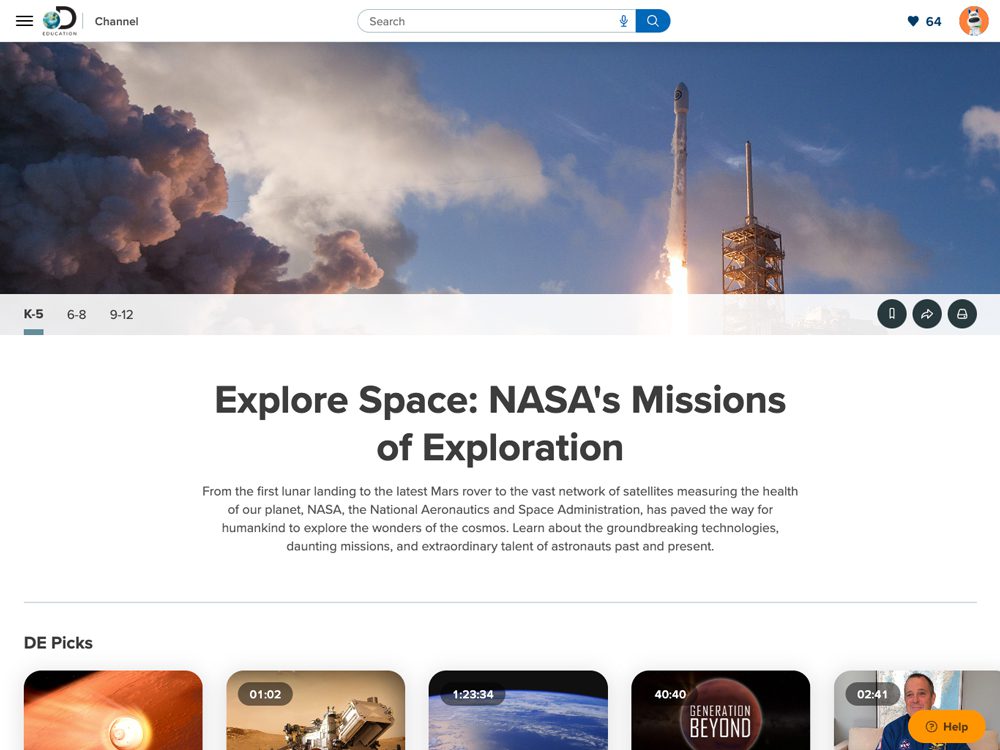
Start your space lessons with the Explore Space: NASA’s Missions of Exploration Channel, where you can find fantastic resources on popular space topics. There are great introduction videos on the James Webb Telescope, the largest, most powerful, and most technologically challenging space telescope. Understanding how this technology is used can help students consider how galaxies are studied, and then they can view images captured by this amazing telescope! This channel also includes news on the Ingenuity helicopter, which is miraculously still going strong after recently completing its 59th flight in September 2023.

For younger students, you can introduce the excitement of space with fun animated segments such as Planet Cosmo and Earth to Luna! There are many ways to make your space lessons fun, exciting, and best of all, relevant! If you aren’t sure where to infuse space content into your science lessons, finding space-related events that are coming up and using these events to build context for your students can help the introduction feel meaningful.

The upcoming Artemis missions will create a ton of excitement as the four-astronaut crew was recently named and we are moving closer to the November 2024 launch date! Discovery Education has some terrific resources to share in the Moon Channel on the historic missions to the moon, such as The Apollo Project, as well as information about the moon phases from the DEmystified series, and an overview of the partnership with NASA and SpaceX in The Future of Space Travel.

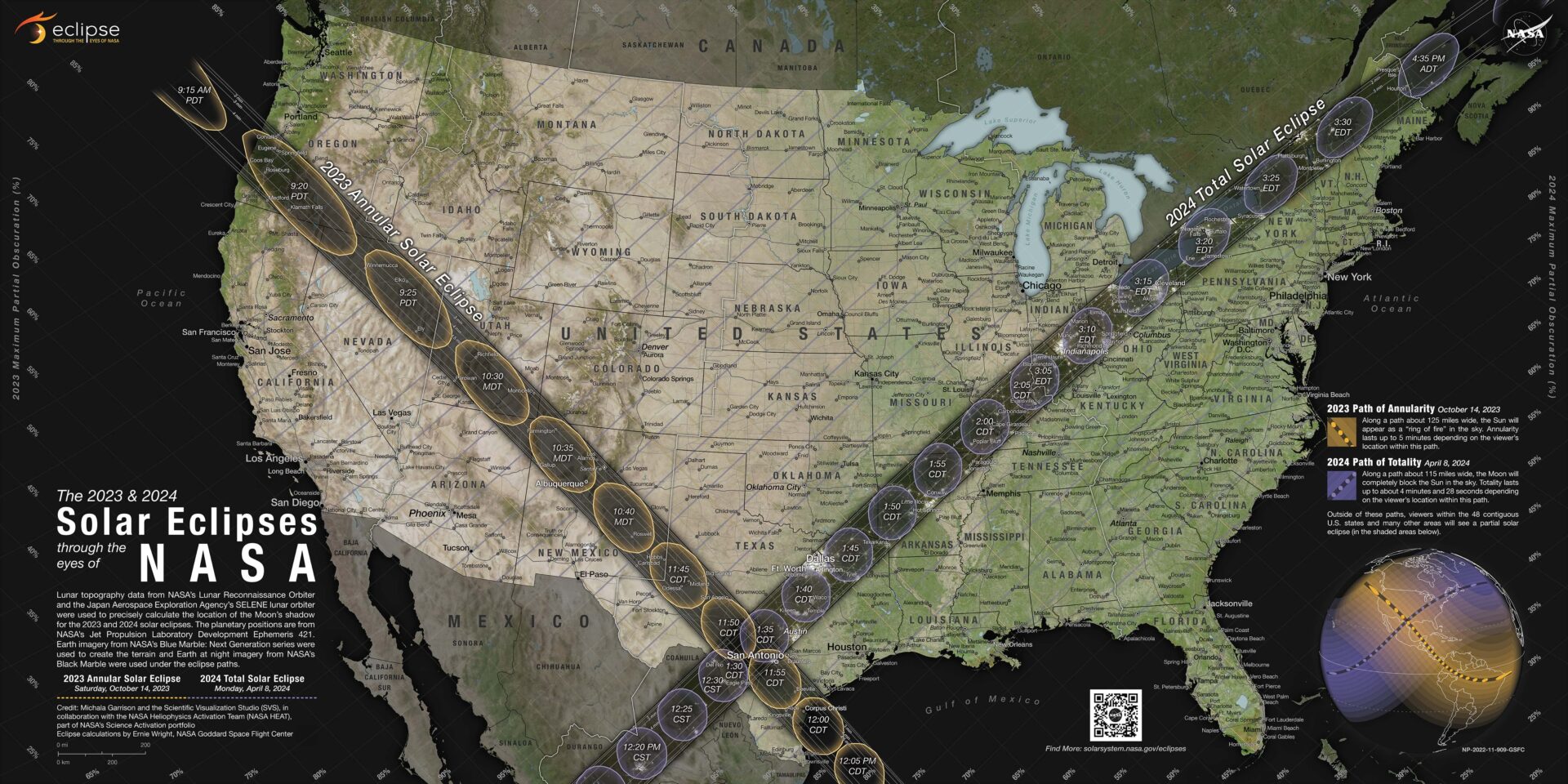
The upcoming solar eclipses are other exciting space events you can connect into your lessons! An annular solar eclipse occurred on October 14, 2023, and a total solar eclipse will occur on April 8, 2024. The Solar Eclipses Channel has great resources, videos, and activities for students in grades K-12 that both describe the natural phenomenon of an eclipse. 

Eclipses are unique solar events, and after the April 8 total solar eclipse, the next eclipse won’t occur over the United States until 2044! Discovery Education Experience has new resources to help students explore the wonders of this upcoming eclipse such as a video on How to Safely Watch a Total Solar Eclipse, activity to create a Pinhole Projector, and a video giving students a tour of NASA’s 2024 Solar Eclipse Map. NASA is also sharing a livestream so students can watch as the total solar eclipse moves across Mexico, the United States and Canada. 

Additional Solar Eclipse Resources

facts sheet jpg

Eclipse Facts Sheet

Describes how a solar eclipse happens when the Moon moves between the Sun and Earth and about different types of solar eclipses, eclipse safety, and eclipse activities.
eclipse video jpg

Solar Eclipse Video Playlist

Videos in both English and Spanish explaining the phenomena of the "disappearing sun" and offering context about the total solar eclipse.
NASA map jpg

NASA's 2023 and 2024 Eclipse Map

Based on observations from several NASA missions, this map details the path of the Moon’s shadow as it crosses the U.S. during the annular solar eclipse in 2023 and total solar eclipse on April 8, 2024.

Creating Relevant, Fun Learning Opportunities

Adding a short, creative project-based learning element to your lessons around these current events can bring some additional engagement and excitement, even for students who may not think they’re passionate about space topics. For example, you can incorporate TimePod Adventures to allow students to “visit” another planet’s surface or launch and fly a rocket in HOME: Impossible Field Trip, which can bring the space concepts of a lesson to life. The AR Adventure Kit offers fun ideas that pair with the state-of-the-art, life-size augmented reality featured in TimePod Adventures.

Gamification and animation can make any topic fun and offer students a chance to use new technology tools! By using a free tool like Animate with Audio in Adobe Express, students can research a mission, planet, moon, or other phenomena and then create their own cartoon guessing game just using audio. This is always fun because the games can be played outside of the classroom with friends, family, and future students for years to come!

Resources like these are only the start, as there are so many amazing videos, articles, interactives, and more to discover. Even virtual field trips like the Journey to the Extreme: Virtual Field Trip to Mars, which includes an interview with NASA astronauts and program executives about the Curiosity mission and the ultimate goal, a journey to Mars! Start with one space lesson around a current event and create interested students who want to blast off to further exploration!

Jean Johnson

Jean Johnson

Inspire Your Students with Firsthand Accounts of Career Journeys with NASA

The post Sparking Student Interest in Space appeared first on Discovery Education.

]]>
DE-Explore-Space-NASA.jpg Solar-Eclipses-Discovery-Education.jpg facts-sheet.jpg eclipse-video.jpg NASA-map.jpg TimePod-Adventures-Augmented-Reality-App.png Jean Johnson
Celebrating Educator Excellence with our First-Ever Discovery Education Award Recipients https://www.discoveryeducation.com/blog/de-news/celebrating-educator-excellence-with-our-first-ever-discovery-education-award-recipients/ Sat, 05 Apr 2025 19:10:53 +0000 https://www.discoveryeducation.com/?post_type=blog&p=182979 Today, Discovery Education celebrates a remarkable cohort of districts, schools, and educators recognized in the inaugural Discovery Education Awards! While the submissions were all unique, a common theme stood out: each awardee leads the way in fostering student growth and boundless learner curiosity. We had an excellent pool of worthy candidates and are thrilled to […]

The post Celebrating Educator Excellence with our First-Ever Discovery Education Award Recipients appeared first on Discovery Education.

]]>
Today, Discovery Education celebrates a remarkable cohort of districts, schools, and educators recognized in the inaugural Discovery Education Awards! While the submissions were all unique, a common theme stood out: each awardee leads the way in fostering student growth and boundless learner curiosity. We had an excellent pool of worthy candidates and are thrilled to honor such deserving winners—read on to learn more about this special event.

2024 Educators of the Year

The Educators of the Year were selected due to their clear commitment to student achievement, innovative teaching practices, and unique contributions to student learning. Congratulations to the five Discovery Education Educators of the Year!

McKenna Akane, Alberton School District, Montana

McKenna Akane designs lessons that are interactive, relevant, and meaningful by connecting classroom concepts to real-world applications and experiences. Whether through field trips, guest speakers, or project-based learning activities, she helps students see the practical implications of what they are learning, sparking their curiosity and engagement.

Mrs. Akane has developed a proposal for a Virtual Reality (VR) project and curriculum that will truly revolutionize the way students across the country learn and interact with Montana’s Indigenous community. Working together with the University of Montana, Blackfoot Communications, and several other local partnerships, she has developed a K-12 project to provide meaningful Indian Education for All experiences. Utilizing high-powered computers and 360-degree cameras, students will reach out to Montana First Nations to record language, cultural traditions, ceremonies, and document tribal history from different Nations. In partnership with a VR education company, her students will then create VR lessons and tours and upload them to the company’s course offerings where other students across the world will be able to connect and interact with Montana’s Indigenous People virtually.

Frank Bogden, Loudoun County Public Schools, Virginia 

Mr. Bodgen uses a variety of materials, technology, and resources to promote the development of critical thinking, problem solving, and performance skills in all students. Mr. Bogden has gone from creating Genius Hours in his classroom to creating a Makerspace complete with LEGO bricks, Ozobots, Makey Makeys, and two 3-D Printers! He is particularly proud of how he discussed and used green screens for a myriad of uses for students. His lessons have inspired students to apply various greens screens to create stories, provide summaries, and create reports on a variety of academic topics. 

Mr. Bogden is also credited with bringing computer science and Discovery Education resources into every classroom in the school! There were many teachers who didn’t know about Discovery Education and didn’t know their students could complete many computer science projects and concepts. The innovative initiatives Mr. Bodgen has spearheaded provide real-world connections, foster curiosity, and recognize the uniqueness of each student.

Rodney Crouse, Guilford County Schools, North Carolina

Rodney Crouse captures moments to hook and leave students on the edge of their seats when he’s teaching. He finds creative and invigorating ways to take students on an amazing learning journey. He infuses content across all core subjects to make learning time meaningful for all levels of learners.

Mr. Crouse recently organized a virtual field trip touring a local museum, the Greensboro History Museum. He knew that students may not be able to see or feel the artifacts and that it was important to get them as close as possible. 

The nomination for Mr. Crouse explained, “He looks for new challenges and ways to evolve as an educator. It’s like he’s on a real-time mission and looking for the schools/students who need him, and he works with district curriculum staff to create units for teacher use. When you watch him teach, he engages and connects with every learner in the process. That’s how he writes units and plans lessonswith students at the center of the learning.”

Debbie Martin, Frederick County Public Schools, Virginia 

Debbie Martin inspires other teachers to utilize resources, including Discovery Education tools, to allow students to independently discover, work collaboratively, and access curriculum in a way that helps them make sense of the world. Ms. Martin takes a vested interest in all she works with, both adults and students, to ensure they have access to the highest quality instructional support and resources.

Ms. Martin led the district to increase the use of Discovery Education as a meaningful and intentional resource that drives student learning, specifically in social studies and science. Ms. Martin used her knowledge of Discovery Education tools, along with her excitement, to help teachers find valuable tools to provide direct instruction, independent discovery for students, collaborative activities, and even leveled reading. 

As Ms. Martin wraps up her career as an educator, her growth is immeasurable. Her ability to coach teachers so that they are driving their own learning and discovery of resources is impeccable. Ms. Martin knows that everyone has different needs and continues to grow her strategies and resources to help others do the same!

Rita Mortenson, Verona Area School District, Wisconsin

Rita Mortenson is a technology coach who helps educators develop their capacity to use technology in equitable, creative, and meaningful ways. She loves finding creative ways to nurture student curiosity and allow them to showcase their knowledge authentically. 

In the Verona Area School District, Ms. Mortenson has used Discovery Virtual Field Trips to pair high school students with various grades for collaborative learning events. After watching the virtual field trip, high school students and students from different grades engage in activities that deepen understanding and create connections. For example, after students watched the Discovery Education/LEGO Virtual Field Trip ‘Play to Learn,’ students from a neighboring elementary school came to the high school to work with a robotics class. They had an opportunity to build and play with LEGO bricks and robots.

When she first joined the Discovery Educator Network, Ms. Mortenson was an enthusiastic participant, and over time, she has evolved as a leader. She recently presented at the DENSI Summer 2023 Institute, the 2023 Fall Virtcon, the 2024 “24+ Ways to Use DE in 2024,” and has a proposal accepted at ISTE that will focus on DE Virtual Field Trips. Ms. Mortenson’s involvement with DE reflects her commitment to her own learning and her contributions to educational technology advancement in her community.

2024 Schools of the Year

The Schools of the Year exhibit a commitment to supporting their teachers, students, and local communities with unwavering dedication. Congratulations to both of the Discovery Education Schools of the Year!

Franklin Regional Intermediate School, Murrysville, Pennsylvania 

Franklin Regional Intermediate’s mission is to spark students’ ability to “Make an Impact Through Sustainable Growth”. They incorporate innovative practices enabling each student to meet their personal goals and celebrate every success, ensuring that students are motivated to grow academically, emotionally, and socially. Franklin Regional Intermediate believes that competence creates confidence. The students feel connected to the faculty, staff, and administration at Franklin Regional Intermediate and this, in turn, results in success for all.

Franklin Regional’s Multi-Tiered System of Support (MTSS) practices allow teachers to meet the students exactly where they are academically. The data is analyzed weekly to determine students’ progress toward the next tier and teachers receive professional development, materials, and resources to ensure consistent practices across all grade levels and tiers of support. The Franklin Regional students are seeing a great deal of growth, exemplified by 100% of third graders exiting the most intense level of support in reading.

The Franklin Regional school librarian also provides professional development for all teachers in the building sharing media support, instructional strategies, and highlighting different digital teaching tools. The school also named “Discovery Education Digital Ambassadors,” to support teachers’ efforts in utilizing Discovery Education and other digital resources to best meet their students’ needs.

Madison Rose Lane School, Phoenix, Arizona 

Madison Rose Lane’s mission, “Student, Staff, Community: Learning for All!”, is an indicator that every student at Madison Rose Lane will succeed. The school community works as a team to meet each student’s individual needs, support one another on their school campus, and help the larger community flourish as well.

Madison Rose Lane ensures that all students’ needs are met using a multi-layered approach. The resident social worker and counselor strive to meet the needs of the community by running social skills groups, holding individual sessions, and providing resources to the entire community. Madison Rose Lane educators also pride themselves on offering a high-quality performing arts school. For many students, it is critical for them to express themselves in an artistic way through dance, art, theater, PE, and music. 

This school year, the Madison Rose Lane community has also welcomed almost 20 refugee students, providing clothing and food to new families and developing a schedule and educational programming to benefit them. 

2024 District of the Year

The Districts of the Year exemplify a unified mission and district-wide collaboration toward student achievement goals. Congratulations to the three Discovery Education Districts of the Year!

Kansas City Public Schools, Missouri 

At Kansas City Public Schools, the core belief is that all students deserve an educational experience that allows them to thrive socially, emotionally, and academically. This philosophy is reflected in the district mission statement: “Upholding the promise of an equitable educational experience so Kansas City students thrive socially, emotionally and academically. 

Kansas City Public Schools strives to create a fairer learning environment where every student has the opportunity to succeed. Through individualized support and positive school climates, each student’s unique needs are recognized and addressed. District graduation rates and standardized test scores have steadily risen in recent years, demonstrating improved student success in completing their academic journeys.

At Kansas City Public Schools, student success is defined beyond just academic achievement, as the district strives to cultivate well-rounded individuals who are prepared for life after graduation. The district offers career and technical education pathways, internships, project-based learning initiatives, and service-learning opportunities to connect classroom knowledge to real-world applications. There is also an initiative called “Beyond the Four Walls” to ensure all students have access to at least one field trip a year that is planned and paid for by the district. Ultimately, Kansas City Public Schools wants graduates to be thriving individuals who are prepared to lead fulfilling lives.  

Pasco County Schools, Florida 

Pasco County’s vision is to create a community which works together so all students will reach their highest potential. What resonates most is the “Community of Schools” working in support of three fundamental principles: Continuous Progress, Continuity of Caring, and Ensuring Equity and Excellence for students. 

Each student is cared for and taught to maximize their cognitive, academic, and moral development. The guiding principles and key concepts, the curriculum content area standards, and the organizational structure all come together to focus on each learner. To best meet the diverse needs of students, Pasco County offers flexible school schedules, a balanced school year calendar, adult education, and extended day or afterschool programs for students.

Pasco County Schools secured the highest graduation rate among all school districts in the Tampa Bay Area at 91.1% and exceeds the state average of 88%. Pasco County has been a district-wide partner of Discovery Education since 2018, with Science TechBook at the Elementary levels, Mystery Science, and Discovery Education Experience.

Richland School District Two, South Carolina

Richland School District Two operates on a philosophy that believes in the right of every student to access high-quality education tailored to their individual needs, interests, and aspirations. The district’s mission focuses on the development of global citizens prepared to lead and excel in a diverse and constantly evolving world. This vision is brought to life through innovative teaching, inclusive educational practices, and a learning community that values excellence.

Richland School District Two defines success as the holistic development of students who are not only academically accomplished but also equipped with the skills and qualities necessary to thrive as global citizens: critical thinking, creativity, collaboration, and communication skills. The district envisions its graduates as individuals prepared to contribute positively to their communities and the global society, demonstrating resilience, adaptability, and a lifelong passion for learning.

Richland School District Two extends education beyond the classroom walls through real-world applications, community engagement projects, and the integration of technology. The partnership with Discovery Education is a prime example, introducing innovative resources and methodologies that allow students to connect learning with the world around them. The impact of such initiatives is evident in improved student outcomes, including higher engagement rates, academic achievements, and successful community-focused projects, showcasing students’ ability to meaningfully apply their learning. 

As Teacher Appreciation week starts, we are excited to celebrate the impact all educators have on students and recognize the many ways educators create nurturing, inspiring learning environments. Thank you to all educators working hard to help students grow and a special congratulations to the educators, schools, and districts who won Discovery Education Awards!

Learn and Grow from a Community of Expert Educators

The post Celebrating Educator Excellence with our First-Ever Discovery Education Award Recipients appeared first on Discovery Education.

]]>
trophy_azure.png trophy_jade-1.png trophy_bumblebee.png
Inspiring Student Leadership and Learning https://www.discoveryeducation.com/blog/teaching-and-learning/inspiring-student-leadership-and-learning/ Fri, 04 Apr 2025 19:34:10 +0000 https://www.discoveryeducation.com/?post_type=blog&p=183371 In school, students learn academic content, build critical thinking skills, and grow as people! To create learning experiences that accomplish this, two educators in the Verona Area School District decided to join forces. They found an innovative way to bring high school and elementary school students together through Discovery Education’s Virtual Field Trips. Meet the […]

The post Inspiring Student Leadership and Learning appeared first on Discovery Education.

]]>

In school, students learn academic content, build critical thinking skills, and grow as people! To create learning experiences that accomplish this, two educators in the Verona Area School District decided to join forces. They found an innovative way to bring high school and elementary school students together through Discovery Education’s Virtual Field Trips.

Meet the Team Behind the Magic

Rita Mortenson png

Rita Mortenson, Educational Technology Coach

I’ve been teaching for over 30 years and am currently a high school Educational Technology Coach, where I work with about 1,800 students and 200 staff members on a variety of technology topics. I’m an Apple Distinguished Educator, a Google Innovator, am ISTE certified, and love being a DEN STAR!

Lisette Venegas png

Lisette Venegas, Secondary Multilingual Programs Manager

I have been teaching for over 23 years and have taught Pre-K–4th grade, worked with multilingual and special education students, and been a library media specialist, lead teacher, instructional coach, and curriculum learning specialist. I am currently the Secondary Multilingual Programs Manager for the Verona Area School District. I truly find joy in working with the students, families, and staff on a daily basis, and being a DEN Star is amazing!

Why Virtual Field Trips?

Over the past few years, we have probably done 30 Virtual Field Trips together for a variety of grade levels. It’s really fun for students and teachers!

This started because we saw how great the Virtual Field Trips are and wanted to spread the word to other teachers. These field trips are more than just a video to show your students, and they’re more than just a part of a lesson. Working together to create these events and activities around the VFTs helps us show teachers that yes, this online content is there to engage your students, but you can build out so much more from that. And because the VFTs are embedded in Discovery Education Experience, teachers can share the VFT content with students who may have missed the hands-on experience.

Creating joy for students through these hands-on activities can help them learn new things or show what they have learned throughout a unit. For example, when elementary students completed a unit on weather, we set up an Extreme Weather VFT experience with different stations students visited with high schoolers. This experience helps teachers visualize what they can do with all of the online content they have and how to make it fun and exciting for their students.

How to Get Started

To start something like this at your school, find another teacher who is interested in trying something new. When launching new projects, it’s easier to start with a small team. Team up with one other teacher and work together to plan your first event. Interest in the events will grow as other teachers see what your students accomplish!

Our first activity used the NFL Play 60 Virtual Field Trip. Working with separate age groups (high school and elementary school), requires some brainstorming from the teachers to determine ways the content can be engaging for all students. The first year, we brought the football team to the elementary school. Today, we bring in students from different high school athletic programs and academic programs to help facilitate the activities for the younger students.

Our events start with watching the Virtual Field Trip, then rotating through a few relevant activities. To help other teachers plan these events, we created a presentation to share with other DE educators and have updated the planning into a simple process. Planning two or three stations can be a great start, and you have to be ready to brainstorm with other teachers in your school. The planning should take about an hour, but it should be fun. Once we review the content and plan the stations, away we go! At this point, we’ve done planning in as little as 20 minutes.

These events will eventually become popular in your district, so we recommend having a digital sign-up where teachers can share what topics they would like to cover and how they want to pair up the students. For example, a second-grade teacher may look at their curriculum and notice that their weather unit in November could be a great opportunity to pair up with the high school about a similar topic.

Once we identify interested teachers, we determine which school site is better equipped to host the event—the elementary or the high school. For example, the high schools often have science labs stocked with materials if the events are heavy in experiments. It takes about a month to be fully prepared because you’ll have to consider details like transportation, scheduling, and permission slips. Once we have planned the logistics, we hand the activity planning over to the older students!

"I have one student who's almost in 8th grade, and when she sees me in the building, she asks me if I remember the Virtual FieldTrip we did with her third grade class! It brings a smile to my face knowing these kids remember these events." - Lisette Venegas, Secondary Multilingual Programs Manager

Planning the Activities

We kick off the activity planning by gathering the high school students and running through a few steps to help guide them.

  1. Explain the topic that will be covered.

  2. Have the students watch the VFT and use the accompanying Studio SlideShow to help chunk out the information and pose questions throughout.

  3. Once they’ve seen the content, we encourage them to consider what types of stations to include in our collaborative event.

  4. Ask the students to design a fun, themed activity around the skills we are planning to showcase, practice, and learn that also relate to the theme of the VFT.

When we did the STEM Forward Virtual Field Trip with Olympian Katie Ledecky, we had the students decorate their own Olympic Medal to get them excited about the content. Then, after watching the Virtual Field Trip, we went into the field house where we held relay races and celebrated with the school mascot. These events include the skills from the VFT but also help build our community!

Before pairing up the right students to work together, consider the content and how different groups of high school students could share what they’re learning with the younger students.

For example, one of our first-grade classes was studying the Arctic and polar bears, so we partnered with Earth Science and Environmental Studies classes at the high school for a VFT event. We watched the Living with Polar Bears Virtual Field Trip, then had different stations set up for the students.At one station, students explored how polar bears stay warm. The students put Crisco on their hand, wrapped it in in plastic wrap, and dunked it into the bucket of ice water to simulate how blubber keeps polar bears warm. The students; eyes just lit up when they realized the ice water wasn’t cold with their layer of “blubber” and it was a great moment for them to truly understand how blubber works for polar bears!

We’re a relatively small district, and these experiences show our younger students that we are all one community, no matter the age! It’s also encouraging to see our high schoolers be leaders to our younger students, and the teachers are often impressed with their leadership skills. Showing older students that they can be leaders and help younger students make learning connections inspires them to consider their own careers as well.

Seeing these students work together so well inspires teachers to consider how they can implement hands-on learning activities along with what they’re already doing with Discovery Education, even without our help! We’ve had teachers say this is the best learning experience for their class throughout the whole year, and it’s been gaining more traction every year. Now when we walk into a school, everyone asks if we’re here for another VFT!

Advice to Other Educators

If you really want these events to take off, plan them one at a time, then share the success with others! You can share highlights from your event on social media or through your district channels to help others learn about what your students are doing. We’ve shared our success with principals, our superintendent, and the district Teaching & Learning team—word really spreads quickly! Here are our other pieces of advice for educators considering planning events like these:

  • Bring the energy! If you’re not excited about it, they won’t be, so don’t hesitate to be silly. This could end up being the event of the year for your students!

  • Don’t be afraid to think outside of the box. There are so many resources available, and you can build from there!

Virtual Field Trips bring excitement from around the world right into your classroom, but as Rita and Lisette have shown, they can also bring students together! To help your students engage with exciting content, practice academic skills, and blossom as leaders, consider planning a collaborative Virtual Field Trip event.

The post Inspiring Student Leadership and Learning appeared first on Discovery Education.

]]>
Rita-Mortenson.png Lisette-Venegas.png NFL.jpg Verona-tile-1-olympic-medal-1-scaled.jpeg verona-tile-2-blubber-scaled.jpeg
Insights from Inside the Classroom https://www.discoveryeducation.com/blog/educational-leadership/insights-from-inside-the-classroom/ Fri, 04 Apr 2025 19:34:08 +0000 https://www.discoveryeducation.com/?post_type=blog&p=183300 Schools are adapting to keep up with students’ needs, which means teachers’ work is changing rapidly. As teachers navigate updates to curriculum, staffing changes, and new policies in their schools, they need support to continue being successful. Every school’s situation is unique, but teacher retention, time management, and job-related stress are all common concerns for […]

The post Insights from Inside the Classroom appeared first on Discovery Education.

]]>

Schools are adapting to keep up with students’ needs, which means teachers’ work is changing rapidly. As teachers navigate updates to curriculum, staffing changes, and new policies in their schools, they need support to continue being successful. Every school’s situation is unique, but teacher retention, time management, and job-related stress are all common concerns for school employees.

To get some insight from inside the classroom, the Discovery Education team interviewed Peter Panico, a North Carolina teacher and member of the DEN Leadership Council. Read on to learn Peter’s advice for school leaders about retaining their current teaching staff, providing adequate time for teachers’ tasks, and helping teachers manage their stress levels.

Teacher Interview 1920x534 1

Teacher Retention - What are some ways school leaders can help retain their teachers?

“In my opinion, there are three types of teachers. The first type are the ones that lead by example, following all their administrators’ expectations and instruct the curriculum with fidelity to the best of their abilities. Then there are the teachers who know and teach the curriculum with their own creative flair. Lastly, there are the educators like me who know and teach the standards with fidelity, but with unique and innovative methods to push the boundaries of student learning. It is imperative that administrators support and encourage all three types of teachers.

Provide support, structure, and explicit directions for some, encourage creativity for others, and celebrate all teachers who are making a difference. Knowing your teachers and what they need to continue their success is the key to being an effective leader. Let teachers show what they know and lead, while providing support and resources for those who ask for it.”

Learn more about retaining your best educators with DE's new eBook on teacher shortage!

Time - How can school leaders give teachers adequate time for their tasks? What support is needed to help teachers accomplish what matters?

“It seems every year more non-instructional tasks are added to a teachers’ workload. From multiple documentations, data collections, lesson plans, committees, extracurricular activities, and duties. Many are out of the school leaders’ control, however the implementation can be managed in more effective ways.

Currently, documenting lessons and weekly agendas is the most time-consuming task. Completing the mandated checklists school leaders require to view weekly to ensure teachers are performing their jobs takes away precious personal time. Effective teachers know what they are doing in the classroom, let them organize their day their way and trust that they will get it done.

During planning meetings, have the teachers lead the meetings and provide support and insight when needed. Let the teachers collaborate to come up with strong lessons to best support their students. Teachers are natural leaders, and can thrive when allowed to lead as they plan.”

Teacher Stress - How can school leaders create an environment that helps teachers manage their stress levels?

“Retaining teachers has a lot to do with self-worth and accomplishment. Educators have the innate ability to help and support others, and knowing they are accomplishing that goal is a long-lasting sense of joy. A quick compliment or small note on their classroom door can make all the difference.

Administration walkthroughs and observations are a part of the job in education, however they create anxiety and self-doubt as teachers await to hear what they have done wrong, or what they need to improve upon. Instead, make these opportunities for teachers to be acknowledged for what is being done well in the classroom. Instead of “I gotcha”, make it “I get ya, I like what you are doing here.” and provide positive, constructive feedback so they continue what they are doing well.

Provide opportunities for educators to share their success with the rest of the staff during staff meetings and professional development. Let the teachers support and encourage one another by building a community of educators that want to learn, share, and connect with each other.

What has made the biggest impact as an educator was knowing that I was not alone; I was a part of a community of like-minded individuals that supported and encouraged each other. The Discovery Educator Network (DEN) gave me that community. The DEN has been a life changing experience for me as a person and as an educator. Educators loosely use the term PLC in their schools. A true PLC is built with people you can rely on and who support and assist you. That is who the DEN is to me. School leaders who create the same sense of community for staff, students, and parents have buy-in from everyone and truly generate a place where everyone involved wants to learn.”

Not every teacher’s opinion on retention, workload, or stress are going to be the same, but one great first step to understanding these challenges can be to hear from teachers themselves. Teachers are working tirelessly to keep up with the changes in education, and support from school leaders, communities, and partners can help encourage them on the journey toward school success.

Picture of Peter Panico

Peter Panico

North Carolina Teacher and DEN Leadership Council Member

The post Insights from Inside the Classroom appeared first on Discovery Education.

]]>
Teacher-Interview-1920×534-1 Picture of Peter Panico
How to Develop Creative Thinking in Students with STEAM https://www.discoveryeducation.com/blog/teaching-and-learning/inspiring-creativity-in-the-classroom/ Fri, 04 Apr 2025 19:34:07 +0000 https://www.discoveryeducation.com/?post_type=blog&p=183297 Why Developing Creative Thinking in Students Matters Educators have an extraordinary opportunity to ignite a passion for learning by embracing the dynamic world of STEAM learning. Incorporating STEAM isn’t just about teaching science or math—it’s about nurturing a mindset of curiosity that empowers students to question, experiment, and grow. The beginning of the school year […]

The post How to Develop Creative Thinking in Students with STEAM appeared first on Discovery Education.

]]>

Why Developing Creative Thinking in Students Matters

Educators have an extraordinary opportunity to ignite a passion for learning by embracing the dynamic world of STEAM learning. Incorporating STEAM isn’t just about teaching science or math—it’s about nurturing a mindset of curiosity that empowers students to question, experiment, and grow.

The beginning of the school year is a great time to help students establish this mindset and begin building a culture of curiosity, creativity, and innovation in the classroom. Here are some ideas and advice from Tim Needles, a technology integration specialist, DEN STAR, and author of the book STEAM Power from ISTE, for weaving Science, Technology, Engineering, Art, and Mathematics into your classroom.

Using Curiosity to Develop Creative Thinking in Students

One of the easiest ways to get students excited about STEAM learning is through igniting their curiosity. Curiosity is an element found in professionals of every discipline! To inspire my students to think critically and creatively, I begin by modeling the behavior. I pose authentic questions about STEAM topics such as space, the future of architecture, and improving the environment, then lead students through finding resources with tools like Discovery Education to learn more about it. Showing students how to ask questions and find the answers can show them that the sky is the limit when you’re willing to search for information!

Between Discovery Education Experience and other resources, there are endless ways to find answers to your students’ questions. The key to inspiring creative thinking without overwhelming students is working as partners in the process to help find the best videos, articles, and other online resources. We explore the resources together and I find it helpful to give students multiple avenues to share so it’s not just one or two students raising their hand—we form groups so students can collaborate.

Fun STEAM Activities That Foster Creative Thinking

Another important part of a creative mindset is enjoying the process! We all remember having fun learning in the classroom as students, and a great way to introduce a fun learning activity to any level of students is through Virtual Field Trips. Some of my favorites are Living with Polar Bears in the Arctic, Generation Beyond: Mars Exploration, and STEAM Careers Take the Spotlight: Country Music’s Biggest Night. These let students have an experience together that is new and authentic, and it allows segues into all different kinds of conversations on STEAM ideas, careers, and innovations. The great thing about these Virtual Field Trips is that the students always enjoy them, and they are always a favorite, fun part of the learning.

Tie Creative Projects to Real-World Relevance

It’s particularly useful to tie learning experiences into local and community issues to connect the learning into the students’ lives. I love blending Discovery Education resources together with creative projects that encourage students to think outside the box and serve as a formative assessment. Consider how you traditionally assess student learning and add options for students that move past question-and-answer style work. Encourage students to bring their work to life by creating a structure with cardboard or writing and producing short video poems.

Use Hands-On Projects to Build Creative Thinking

Providing students with the opportunity to complete a project can help them grapple with problem-solving, making and moving past mistakes, and finding new ways to express their learning and opinions. When students learn about space exploration from the Generation Beyond: Mars Exploration Virtual Field Trip, ask them to create a cardboard structure depicting the surface of Mars, or ask students to produce a short video poem about life in the arctic after they learn about it through the Living with Polar Bears in the Arctic Virtual Field Trip. Extending learning experiences past the “new content” and into the application of knowledge through innovative projects can help students demonstrate what they’ve learned and think creatively throughout the process!

Build a Culture of Creativity and Possibility

Implementing these ideas will help you open doors to innovation, creativity, and critical thinking for your students. You can see the joy on their faces as you embark on hands-on explorations and encourage collaboration with exciting projects through a multidisciplinary lens. This year, let the spirit of STEAM infuse your classroom with boundless enthusiasm, guiding your students towards a future where possibilities are endless, and their potential knows no limits.

timneedles headshot jpeg

Tim Needles

Tim Needles is an artist, educator, performer, and author of STEAM Power: Infusing Art Into Your STEM Curriculum. He is a TEDx Talk speaker, a technology integration specialist, and teaches art, film, and emerging media at Smithtown School District and Five Towns College. His work has been featured on NPR, in the New York Times, Columbus Museum of Art, Norman Rockwell Museum, Alexandria Museum of Art, Katonah Museum of Art, and Cape Cod Museum of Art.

He’s the recipient of ISTE’s Technology in Action Award and Creativity Award, NAEA’s Eastern Region Art Educator Award & ArtEdTech Outstanding Teaching Award, and The Rauschenberg Power of Art Award. He’s also a board member of NYSCATE and NYSATA, a DEN STAR, National Geographic Certified Teacher, Kami Hero, Formative Champion, PBS Digital Innovator, a NASA Solar System Ambassador, an ISTE Community leader, NAEA ArtEdTech interest Group chair, a teacher leader in the CAN Connected Arts Network PLC, and an Adobe Creative Educator Innovator. He’s active on social media at @timneedles.

The post How to Develop Creative Thinking in Students with STEAM appeared first on Discovery Education.

]]>
Students-working-tile.jpg generation-beyond-tile.jpg timneedles-headshot.jpeg
A Slam-Dunk Lesson Using NBA and WNBA Resources https://www.discoveryeducation.com/blog/teaching-and-learning/a-slam-dunk-lesson-using-nba-and-wnba-resources/ Fri, 04 Apr 2025 19:33:48 +0000 https://www.discoveryeducation.com/?post_type=blog&p=182865 Whether or not students have played or are familiar with basketball, there is a good chance they have seen a basketball court at some point in their lives. They may have noticed that there are different lines drawn on a court and wondered, what do those lines mean? The answer lies in data science! Here […]

The post A Slam-Dunk Lesson Using NBA and WNBA Resources appeared first on Discovery Education.

]]>

Whether or not students have played or are familiar with basketball, there is a good chance they have seen a basketball court at some point in their lives. They may have noticed that there are different lines drawn on a court and wondered, what do those lines mean? The answer lies in data science! Here to share his ideas for bringing the fast-paced game of basketball into your classroom, is DEN STAR Merek Chang!

Picture of Merek Chang

Merek Chang

Merek Chang is a 6-12 Science Teacher on special assignment in California. He has also taught high school science and robotics classes. He received his Bachelors of Science from University of California Davis in Food Science and Technology and worked full-time in the food industry prior to entering education. He also received a Master’s in Education from San Diego State University. Merek is a KQED Media Literacy Innovator and is passionate about uplifting student voices and connecting the community to the classroom through the lens of environmental literacy and civic engagement.

Making Data Science Relevant

As an avid basketball fan who has taught students who love basketball, I am always looking for relevant tools to connect curriculum to their interests. Discovery Education Experience has great basketball content to add into your lessons on data science, STEM Careers, or math skills! One of my go-to resources is the Analyzing Basketball Data video, hosted by a student, Miles Brown. 

In the video, Miles visits Madison Square Garden to learn how data is used in basketball and what a career as a data scientist in the NBA looks like. After students watch the video, I ask them to share what they noticed and are wondering about. Based on their responses, I guide them to a question about two-point basketball shots versus three-point shots that the data scientist alludes to in the video: A basketball player takes 10 three-point shots and makes three of them. A teammate then takes 10 two-point shots and makes four of them. Which player is the better scorer? Use evidence to justify your claim.

I let students work in groups and have them share their responses. Next, we put the question to the test in our classroom with a paper ball/trash can setup. I used this lesson in a 3rd-4th grade combo class, but if students are older, you can consider doing this on the actual basketball court! I ask each student, “Are you a two-point shooter or a three-point shooter?” Students make their claim and then shoot 10 two-point shots and 10 three-point shots. After collecting the results, we revisit a shooting heat map from the 2:25 mark in the Analyzing Basketball Data video, and students identify another “notice and wonder” to discuss what they see from the map.

I found this lesson to be a fun and effective way to get students to talk about numbers and data while incorporating digital media that’s relevant to them and piques their curiosity.

Take the Learning to the Next Level

As I worked with a younger group of students, I kept the data science and content simpler, but there are great opportunities for extension activities!

The NBA’s official website has a section titled NBAMath with premade lessons using official NBA data. After introducing your students to the data analysis process, you could have them continue to flex their analysis skills with a new set of basketball data points, straight from the NBA! 

Another option for extending this lesson could be the “NBA 15-dollar Challenge.” This challenge is very popular on social media, where you must build a team of five players by spending “15 dollars” on players that cost different “amounts” based on their skill levels to add to the team. Check out this example of the 15-dollar Challenge from The Bleacher Report! This challenge can be extended even further by asking students to build their own “15-dollar Challenge” board with players from the WNBA. Students would get the opportunity to evaluate criteria, research different players’ statistics, and learn about players’ histories to design their own ultimate team!

There is a myriad of ways to engage your students with data, and there are great options for bringing relevant, interesting data into your lessons. If your students happen to be basketball fans, I highly recommend you check out both NBAMath and Discovery Education’s NBA resources!

The post A Slam-Dunk Lesson Using NBA and WNBA Resources appeared first on Discovery Education.

]]>
Picture of Merek Chang Analyzing-basketball-video-tile.png
4 Key Components of Quality STEM Projects https://www.discoveryeducation.com/blog/teaching-and-learning/4-key-components-of-quality-stem-projects/ Fri, 04 Apr 2025 19:33:40 +0000 https://www.discoveryeducation.com/?post_type=blog&p=182711 As educators, it is our role to create an environment conducive to high student engagement. In my classroom, one way I have learned to maintain student interest in a subject is by putting them in the driver’s seat. Developing quality STEM projects requires an investment from the student in their learning. By giving students ownership […]

The post 4 Key Components of Quality STEM Projects appeared first on Discovery Education.

]]>

As educators, it is our role to create an environment conducive to high student engagement. In my classroom, one way I have learned to maintain student interest in a subject is by putting them in the driver’s seat.

Developing quality STEM projects requires an investment from the student in their learning. By giving students ownership of the content, they’ll be more motivated to learn.

Rather than asking students to memorize abstract concepts, STEM-based projects allow students to solve problems in the context of the real world. Using real-world problems answers the commonly asked question, “Why is this important, especially if I can Google it?” However, as educators embarking on a new way to approach lessons, we have to reverse our ways of planning with the end in mind. STEM-based projects cannot be planned in a traditional format where teachers have a specific end goal for students to reach. I have discovered that learning with STEM is a journey, and it cannot be confined to preconceived barriers.

When launching a quality STEM project, consider the following four components.

1. A Driving Question

What part of our curricula is most attractive to our students? This answer will be different depending on each and every student. Structuring the lesson around a driving question will direct the path of your students’ learning. A driving question can be around a real world phenomenon or a topic which students have some knowledge of, but want to explore further. Some driving questions I have used in my classroom include, “How have human choices impacted the environment?” and “How can we help reverse the effects of pollution on our local environment?”

2. Solve A Problem

Problem-based learning creates a context for students to relate their knowledge to the problems of the real world. Solving a problem helps to instill a confidence in students that they can impact change. I have found this success is incredibly rewarding to students. It piques their interest and cultivates curiosity in the solutions to other real-world problems.

3. Opportunities to Redesign

Teaching and learning with a question in mind takes patience and effort. Students need opportunities and time to process feedback and use the feedback to reflect, revise, and refine their work. This cycle will highlight areas that can be improved through redesign. For example, I have former students tasked with designing rain barrel models to help conserve water and limit runoff pollution. After building their initial model, students tested their model with water. Several groups noted some leaky areas and used this evidence to redesign the next version of their rain barrel model.

4. Multiple Assessment Methods

Driving questions lend themselves to a variety of assessment methods. One student’s findings may be represented using a Google Slides presentation, while another student may need to create a physical model to explain his work. In an increasingly digitally dependent world, many students are more engaged and comfortable with using digital technology to share their knowledge. Both methods are acceptable as long as the same criteria for success are used to assess each project.

A sample criteria for success may be:

  • The project accurately and appropriately answers the driving question.
  • The project shows deep understanding of the unit concept.
  • The project includes a minimum of two cited research sources.

A driving question hooks your students and pulls their learning into a real world format. STEM projects facilitate connections to be made in the journey of learning rather than at the beginning or end of an instructional sequence. This sense of ownership helps to build the 21st century learners that are leading our future.

About the Author

Ginger Berry is a middle school teacher in Montgomery County Public Schools.

The post 4 Key Components of Quality STEM Projects appeared first on Discovery Education.

]]>
Why Interactives are Trending in Classrooms https://www.discoveryeducation.com/blog/teaching-and-learning/interactives-in-the-classroom/ Thu, 09 Jan 2025 16:48:03 +0000 https://www.discoveryeducation.com/?post_type=blog&p=190215 Let’s set the scene: You’ve got your classroom routines set. Your students know your expectations and they’re actively learning in your classroom. But as you cross completed school days off your calendar, you’re looking for new and creative ways to keep students engaged around a break, through the mid-semester slump, or after an assessment. Many […]

The post Why Interactives are Trending in Classrooms appeared first on Discovery Education.

]]>

Let’s set the scene: You’ve got your classroom routines set. Your students know your expectations and they’re actively learning in your classroom. But as you cross completed school days off your calendar, you’re looking for new and creative ways to keep students engaged around a break, through the mid-semester slump, or after an assessment. Many teachers are turning to interactive learning resources to help them crank up the level of student engagement in their lessons – and the Discovery Education team has rounded up some of our most popular Interactives for you to explore!

Interactives are known for changing the dynamic of the classroom from passive listening to active participation. Students can research, experiment, and have fun learning about topics at their own pace through a variety of interactives like virtual labs, investigations, maps, and more. Every teacher has had the thought, “How can I make this lesson more exciting for my students?” cross their mind, and interactive resources are becoming popular because even though they don’t feel like standards-based practice, they allow students to practice and sharpen essential skills and knowledge in a fun, exciting way.

Not only do interactive learning resources create a fun game-like experience for students, but they also provide opportunities for students to test and experiment without purchasing physical materials for your classroom! Instead of purchasing a map for each student to draw on or finding an academic board game (and keeping track of the pieces), digital interactives bring “fun” to the classroom with fewer items for you to gather!

“With interactives in Discovery Education, I can always find content that interests the students while helping to teach the state standards. The students ask when we are going to play another interactive game in Social Studies and Science. My students get very excited when I tell them I have a DE resource to go to today.”
Deborah Seyffert DENSTAR
Deborah Seyffert
First Grade Teacher, South Carolina

Discovery Education Experience is full of Interactives spanning all grades and a variety of content, so we gathered the most frequently assigned interactives in each subject area for you to start your exploration!

Social Studies

Add a new layer of excitement to your Social Studies lessons with Interactives that allow your students to explore our world! With interactive base maps and overlays, students of all grades can use The World Map to identify key physical and human features. Another popular Social Studies Interactive is How Our Economy Works: Spend, Save, Spin for students in grades PreK-5, where students are challenged with determining realistic wants and needs, making good choices, and using mental math, to work their way around the digital “board.”

Science

Add a new layer of excitement to your Social Studies lessons with Interactives that allow your students to explore our world! With interactive base maps and overlays, students of all grades can use The World Map to identify key physical and human features. Another popular Social Studies Interactive is How Our Economy Works: Spend, Save, Spin for students in grades PreK-5, where students are challenged with determining realistic wants and needs, making good choices, and using mental math, to work their way around the digital “board.”

Math

Make Math practice more exciting than ever with Interactives! Alien Addition and Meteor Multiplication are the two most popular math Interactives in Discovery Education Experience. In both interactive math games, students in grades PreK-5 defend themselves from other-worldly challengers by practicing their addition (PreK-2) or multiplication (3-5) facts!

English Language Arts

Students can practice reading, writing, and spelling skills with Interactives, too! In Verb Viper, students in grades 3-5 are encouraged to choose correct verb tenses (present, past, past participle), recognize correct verb forms (ran instead of runned), and recognize subject-verb agreement (I am, he is). Another popular ELA interactive, Spelling Bees, helps students in grades PreK-5 sharpen their spelling skills by building the biggest honeycomb hive by spelling the most words in the time allowed!

If you like these, or want to explore more interactive learning resources on different topics, check out our collections in the Best of Interactives, PhET Interactive Simulations, and Arcademics Channels. Want to take it a step further? You can keep up with the latest interactive and immersive resources, leveraging augmented reality and gamification, on Discovery Education’s Immersive Learning Hub

Have you used one of our interactives with students? Be sure to let us know on social media! Don’t forget to tag @DiscoveryEd so we don’t miss it!

Looking for more ways to increase student engagement? Check out these ideas from other educators!

The post Why Interactives are Trending in Classrooms appeared first on Discovery Education.

]]>
Deborah-Seyffert-DENSTAR Map-785×575-1-750×562 science-interactive-tile-750×562 Math-interactive-tile-750×562 Bee-785×575-1-750×562